
How to Choose the Right Container Conversion House
Selecting the right container conversion house requires a comprehensive assessment of project requirements, budget, functionality, and environmental adaptability. Here are the specific factors to consider:
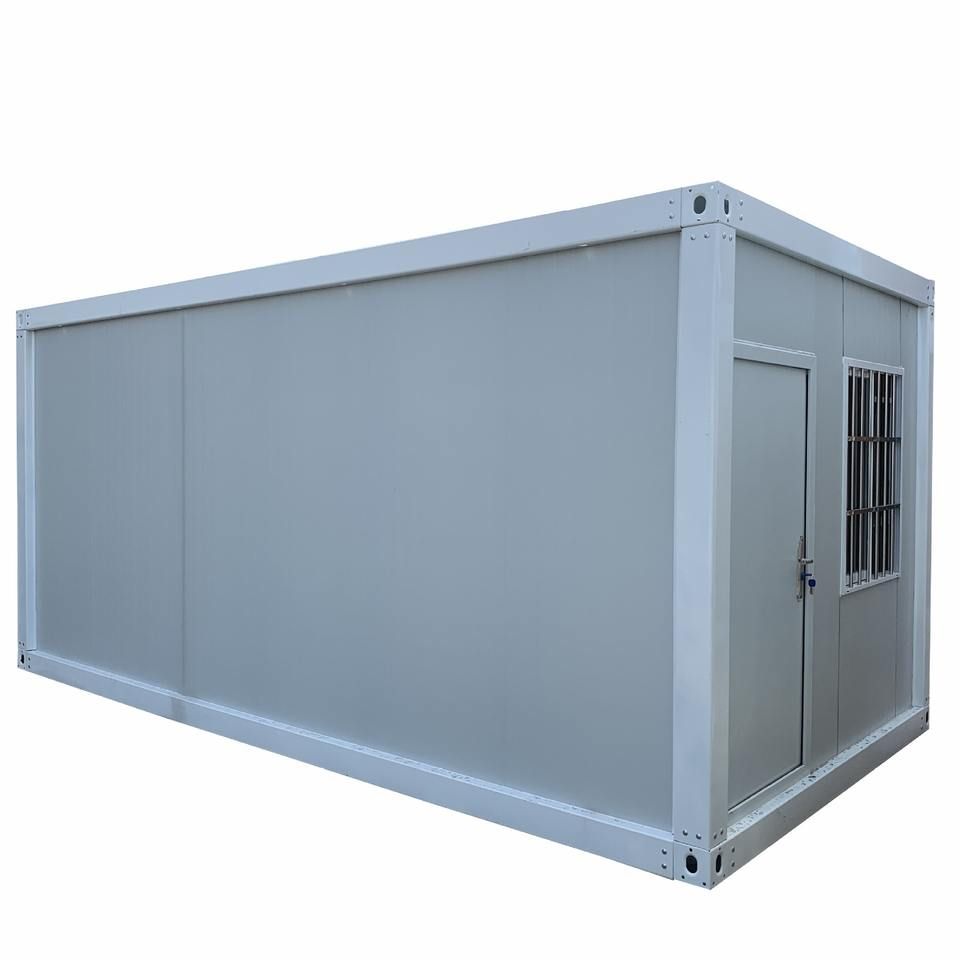
1. Project Duration and Deployment Speed If rapid installation is needed, foldable container houses are the preferred choice. Their design supports quick deployment, making them suitable for construction site camps, temporary offices, or emergency rescue scenarios. For those seeking a balance between space and efficiency, expandable container houses can be quickly assembled to create larger living or office spaces, ideal for resorts or long-term camps.
2. Budget Control Flat-pack container houses are cost-effective, especially for bulk transportation or large-scale accommodation or office projects. If the budget is limited and multiple units are required, this type of structure can reduce unit costs through standardized production while maintaining basic functionality.
3. Application Scenario Adaptation
- Residential Use: High-end modular container homes use premium interior materials to provide a modern living experience, suitable for long-term residential needs.
- Compact Spaces: Prefabricated micro container houses optimize layout for efficient use, ideal for small apartments or temporary transitional housing.
- Temporary Facilities: Portable modular container houses are easy to disassemble and move, suitable for temporary offices, construction site dormitories, or event camps.
- High-End Projects: For resort scenarios, expandable container houses are recommended, as their large-span interior layouts can meet high-end design requirements.
4. Customization Needs Choose manufacturers offering factory customization services to adjust layouts, interiors, and functional modules based on transportation plans, application scenarios, and local market preferences. For example, adding insulation layers, special doors and windows, or integrated equipment to adapt to extreme climates or specific functional needs.
5. Structural Durability and Weather Resistance Prioritize the use of galvanized steel frames, waterproof sandwich panels, and optional weathering steel (Corten Steel) materials to ensure long-term structural stability. Weathering steel forms a protective layer through natural oxidation, significantly enhancing corrosion resistance, making it suitable for coastal or rainy regions.
6. Leak-Proof and Drainage Design Sealed processes at connection points reduce leakage risks, and roof designs should optimize drainage slopes to prevent water accumulation, which could cause leaks or structural damage. This feature is particularly important for long-term outdoor use projects, reducing maintenance costs.
By systematically evaluating these factors, you can accurately match project requirements and select a container conversion house solution that combines functionality and cost-effectiveness.



