Trendy Play Container Mobile House
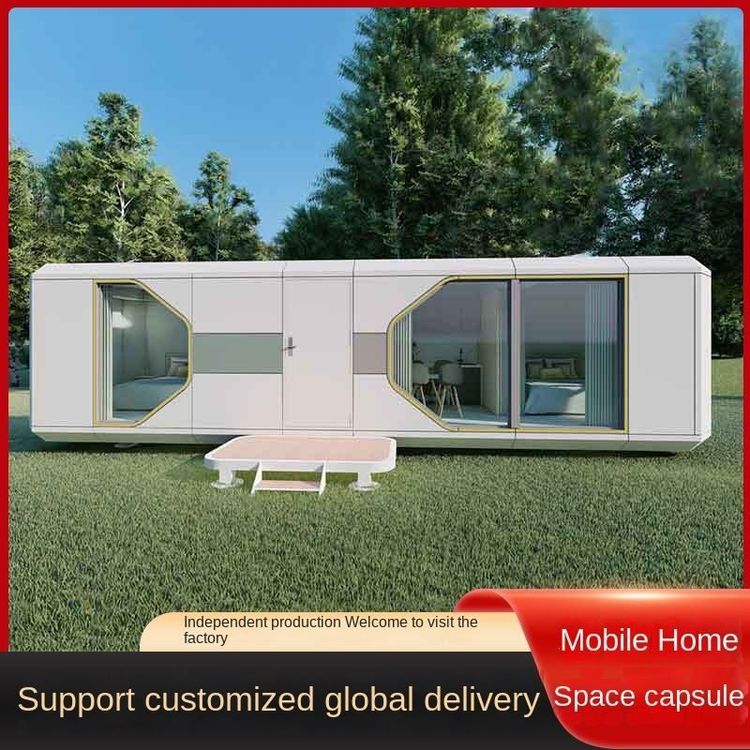
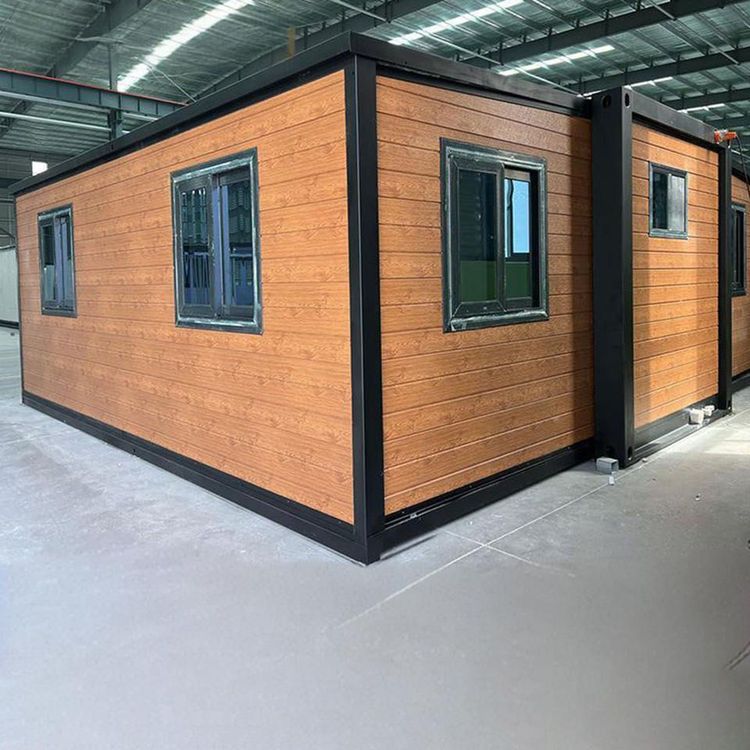
The trendy play container mobile house is a movable commercial or residential space for trendy play, formed through modular transformation, reinforcement, and interior decoration based on containers. It features a short construction period, strong mobility, and a prominent industrial aesthetic style. The following provides an introduction from aspects such as structure, application scenarios, advantages, and customization processes:

1. Structure and Types
The trendy play container mobile house uses standard containers (such as 20-foot and 40-foot ones) as carriers. The structure is transformed through cutting, welding, and splicing to form single-story or multi-story spaces. Its outer shell is mostly made of weathering steel or aluminum alloy, with anti-corrosion and sun-proof coatings applied on the surface. Insulation materials (such as rock wool and polyurethane) are used inside to enhance comfort. According to functional requirements, it can be divided into commercial types (such as trendy play stores, pop-up stores, and coffee houses) and residential types (such as mobile homestays and temporary residences). Some designs also incorporate elements like glass curtain walls and spiral staircases to enhance visual effects.
2. Application Scenarios
- Commercial Scenarios: Trendy play retail and dining spaces in scenic spots, commercial streets, and community squares, using the industrial style of containers to attract young consumers.
- Residential Scenarios: Temporary housing, holiday villas, construction site dormitories, etc., meeting the needs of rapid deployment and flexible relocation.
- Event Scenarios: Pop-up stores or rest areas in temporary events such as music festivals and exhibitions, which can be relocated or recycled as a whole after the events.
3. Core Advantages
- Modularity and Mobility: Standardized components are used for splicing, eliminating the need for complex construction. Assembly can be completed in 3-7 days. The whole unit can be lifted and transported, adapting to different site requirements.
- Cost and Efficiency: Compared with traditional buildings, container houses have a shorter construction period and recyclable materials, resulting in lower overall costs.
- Personalized Customization: It supports multi-dimensional customization of size, appearance, and functions, such as irregular splicing, special window openings, and brand color matching, to meet the differentiated needs of the trendy play industry.
- Durability and Environmental Protection: The structure is stable with strong wind and earthquake resistance. Some manufacturers use environmentally friendly materials to reduce construction waste.
4. Customization Process and Cycle
It usually takes 7-20 days from demand communication to finished product delivery. The specific steps include:
- Demand Confirmation: Clarify the size, functions (such as water and electricity layout and snack areas), and appearance style (such as materials, colors, and roof forms).
- Design and Production: The manufacturer provides 3D renderings. After confirmation, container body transformation, interior decoration, and equipment installation are carried out.
- Transportation and Installation: Overall lifting and transportation are used, and on-site debugging of water and electricity and structural stability is conducted.
5. Price Range
Prices vary depending on size, material, and configuration. For example, the price of a 20-foot basic trendy play store is about 10,000 to 30,000 yuan, while a 40-foot high-end customized model (with special window openings and brand decoration) may cost 50,000 to 100,000 yuan. The prices of residential container houses are usually lower, but if multi-story or complex functions are required, the costs will increase accordingly.