Transport and Install Mobile Toilets
Transporting and installing mobile toilets mainly involves the transportation and installation of portable toilets, requiring the selection of types, planning of transportation methods, and completion of basic installation according to scene requirements.

1. Types and Suitable Scenarios of Mobile Toilets
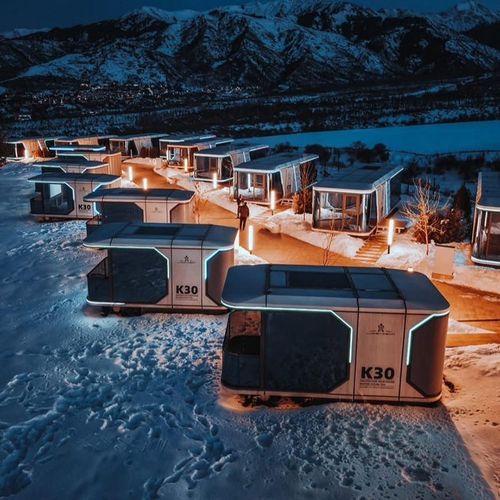
Mobile toilets can be divided into single-unit and modular types based on their structural form: single-unit types are suitable for scenarios with limited space or independent use (such as temporary events and small construction sites); modular types can expand capacity through assembly and are suitable for large-scale events or long-term use locations (such as music festivals and post-disaster resettlement sites). Based on mobility, they can be divided into hoisting, manual handling, and powered/trailer-mounted types:
- Trailer-mounted types (such as mobile trailer toilets) can be transported by vehicle traction without disassembly and are suitable for scenarios requiring frequent movement, such as outdoor scenic spots and construction sites.
- Hoisting types require lifting equipment for overall transportation and are suitable for short-term use at fixed locations (such as exhibitions and sports events).
- Manual handling types are mostly modular in design and can be disassembled and manually transported, making them suitable for areas with complex terrain or limited space (such as mountainous regions and renovations of old residential areas).
2. Transportation and Installation Process
Transportation Preparation:
- Confirm the size and weight of the toilet and select appropriate transportation tools (such as flatbed trucks or trailers).
- Check the structural integrity of the toilet and secure vulnerable components (such as doors, windows, and electrical interfaces).
- For trailer-mounted types, ensure that the connection devices (such as tow hooks and braking systems) between the towing vehicle and the toilet comply with safety standards.
On-site Installation:
- Foundation Preparation: Level the ground to ensure there are no potholes or slopes; if the foundation is soft soil, lay concrete or steel plates for reinforcement.
- Positioning and Fixing: Hoisting types are positioned using a crane, while trailer-mounted types are connected to water and electricity interfaces and have their wheels fixed.
- Function Testing: Connect to a water source (or configure a water storage tank), power supply (or solar system), and test equipment such as flushing, lighting, and ventilation.
- Safety Inspection: Confirm structural stability, no electrical leakage in circuits, and unobstructed sewage pipes.
3. Materials and Customization Options
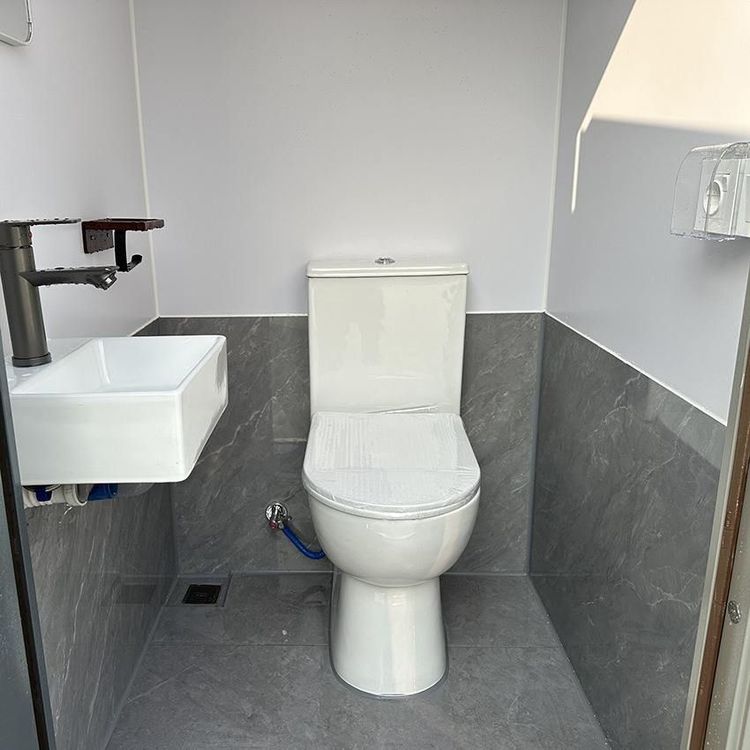
The main frame of mobile toilets is mostly made of steel structure, with exterior walls available in galvanized steel sheets (rust-resistant), stainless steel sheets (corrosion-resistant), or aluminum-plastic panels (lightweight); internally equipped with non-slip floors, waterproof layers, and aluminum alloy doors and windows to ensure durability and comfort. Some products support customization:
- Size and Layout: Adjust the space according to the number of users (such as single toilet compartments or multiple toilet compartments + a management room).
- Function Configuration: Add barrier-free facilities, baby changing stations, air conditioning, or heating systems.
- Appearance: Spray-paint specified colors or corporate logos to match the surrounding environment.
4. Price Reference
Prices vary depending on configuration and specifications: simple direct-discharge mobile toilets (basic functions) start at approximately 950 yuan; high-end customized models (such as those with air conditioning and intelligent flushing systems) can reach 43,000 yuan; container-type mobile restrooms require negotiation with merchants based on specific needs for pricing. The production cycle is generally 7 to 15 days, and customized models may take longer.