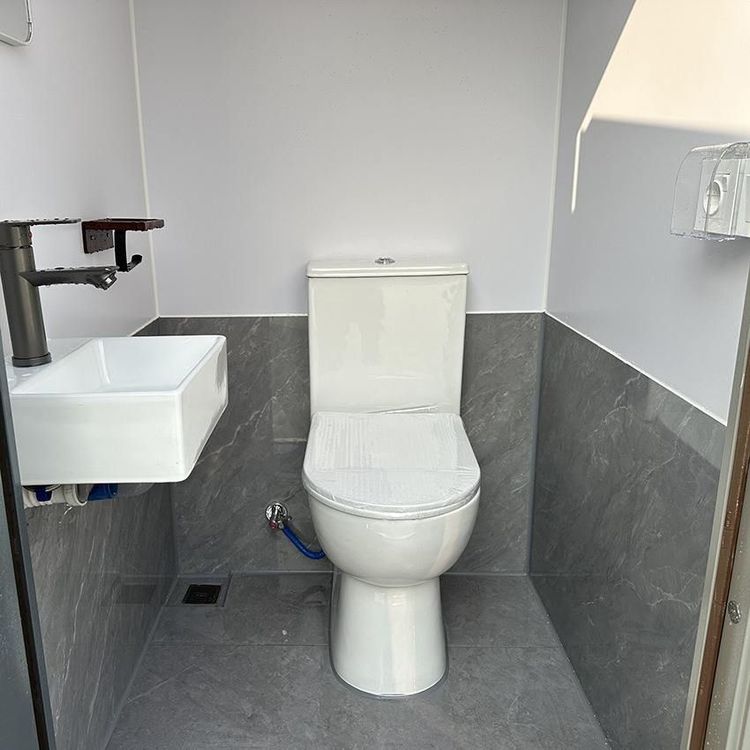
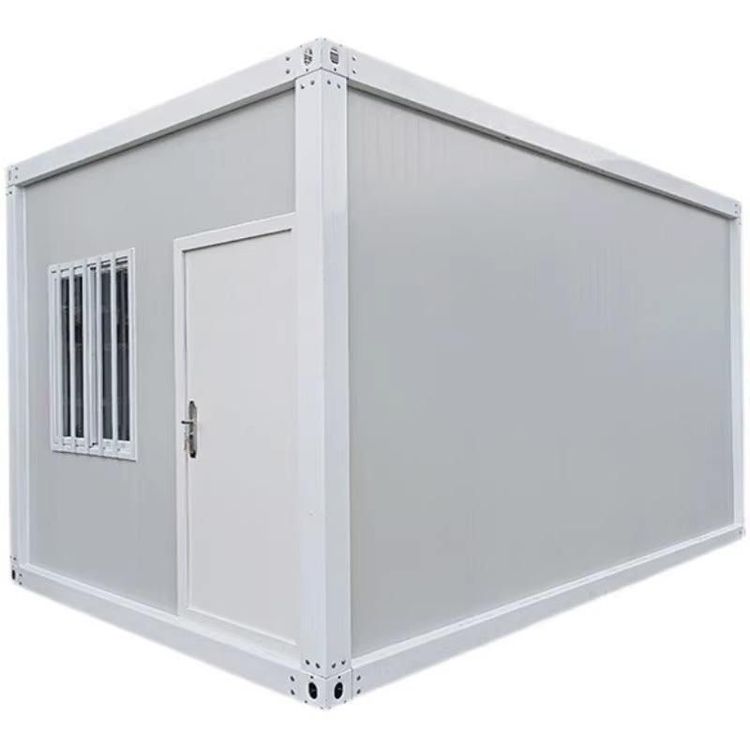
How Convenient Mobile Toilets Are
The convenience of mobile toilets is mainly reflected in their mobility, flexible deployment, durability, and functional integration.
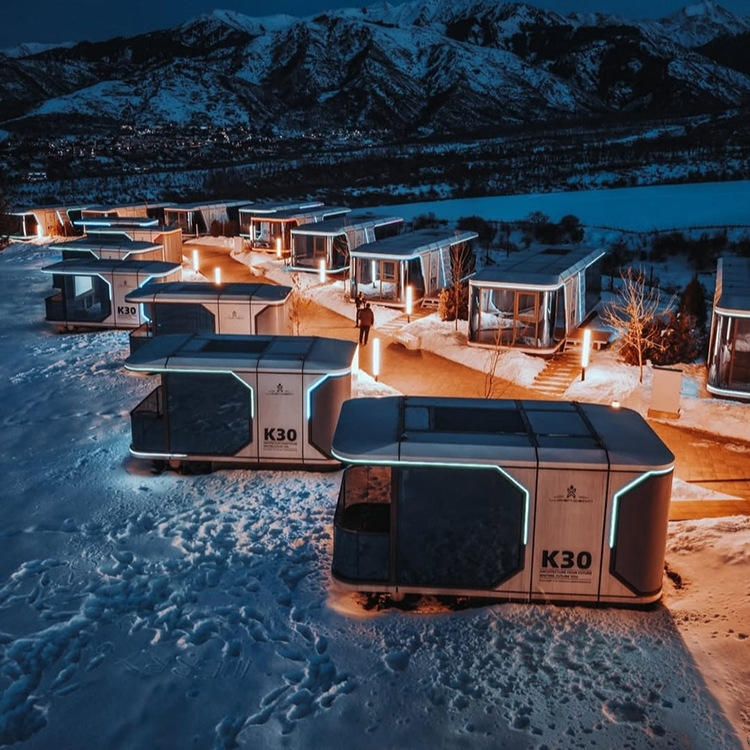
1. Overall mobility and flexible deployment
The core advantage of mobile toilets lies in their mobility. Through modular design or the installation of universal wheels at the bottom (such as in mobile toilets made from water storage tanks), they can be quickly and entirely relocated to fixed or temporary demand locations without the need for complex infrastructure. For example, at large events, construction sites, or disaster relief sites, they can be dynamically adjusted according to the flow of people, avoiding the issues of resource waste or insufficient coverage caused by the fixed location selection of traditional toilets.
2. Adaptability to diverse scenarios and strong durability
Some mobile toilets adopt special materials and structural designs, significantly enhancing their environmental adaptability. For instance, corrugated-board-structured toilets can be used outdoors for more than 15 years, being wind-resistant, rain-resistant, and corrosion-resistant, suitable for long-term deployment in remote areas or harsh climates. Their light-box signage design further enhances nighttime visibility, facilitating user location.
3. High functional integration to meet basic needs
Modern mobile toilets usually integrate drainage systems, toilets, washbasins, and other facilities inside. Some high-end models are also equipped with solar power devices to provide lighting, ventilation, or heating functions. For example, mobile toilets made from water storage tanks process sewage through internal circulation systems, reducing dependence on external water sources; solar panels can power internal electrical appliances, lowering operating costs. This integrated design enables mobile toilets to provide complete services in areas without municipal pipeline network support.
4. Quick response to temporary needs
For short-term events or emergencies (such as music festivals, sports events, natural disasters), mobile toilets can be quickly deployed and put into use, avoiding the issues of long construction periods and high costs associated with traditional toilets. After the event, they can be immediately removed and the site restored to its original state, reducing long-term occupation of the environment.
5. Easy maintenance and controllable costs
The modular structure of mobile toilets facilitates disassembly, cleaning, and repair. For example, water storage tanks and drainage systems can be regularly replaced or cleaned to prevent blockages and odors; solar power devices can be independently maintained, extending the overall service life. Compared to traditional toilets, their initial investment and long-term operating costs are lower, making them particularly suitable for scenarios with limited budgets or tight land use.