
Training Container House Images
Currently, there are no publicly available and directly viewable specific images of the container houses used in the Nagoya Asian Games, but their general situation can be understood based on relevant descriptions.
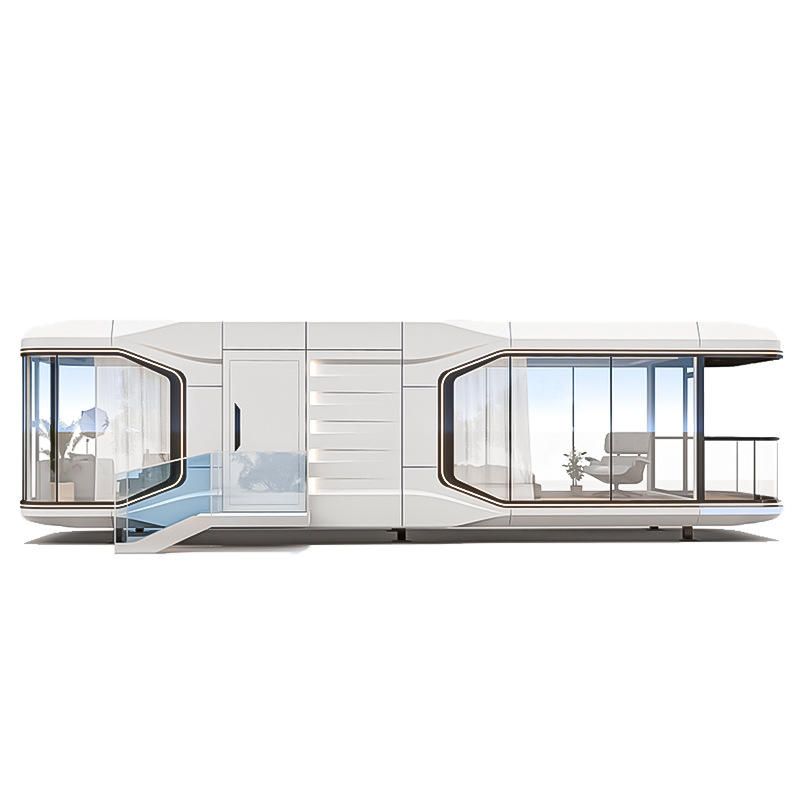
Appearance and Construction
To cut costs, the Nagoya Asian Games abandoned the construction of a professional Asian Games Village and adopted a temporary accommodation plan. Modular prefabricated temporary houses were built at the Garden Wharf in the Port District of Nagoya. These houses closely resembled containers in appearance and were thus commonly referred to as "container houses." In essence, they were an extreme cost-compressed accommodation solution that barely met the rules. The entire accommodation system for the event was divided into three categories: cruise ships, container houses, and scattered hotels, spanning five cities with 30 different accommodation standards.
Interior Structure and Configuration
- Spatial Layout: Each unit was divided into two households, with three people staying in each household, implementing a three-people-per-room accommodation arrangement. The room space was extremely cramped. The single bed was only 195 centimeters long and 90 centimeters wide. Athletes over two meters tall could only place their legs outside the bed. The aisle in a double-bed room was only wide enough for one person to pass sideways, creating a strong sense of oppression.
- Facilities: The interior featured a wooden structure and was equipped with air conditioning, a bathroom, a washing machine, and a refrigerator. There was also a barrier-free ramp at the entrance. The paper configuration just met the minimum standards set by the Olympic Council of Asia for "safety, hygiene, and meeting basic rest needs." However, the entire house was equipped with only one air conditioner. The organizing committee even reminded people to "open the door before going to bed to cool down the whole house and then close the door to sleep." Moreover, with only one air conditioner and an insulated and enclosed structure, the cooling effect was extremely poor.
Special Circumstances and Hidden Dangers
- Weather Impact: The container houses were located in a low-lying area of the port district. When Nagoya experienced extremely heavy rain, there was waterlogging and leakage in the houses. About 400 athletes and staff staying in the container houses were urgently evacuated at one point, and the athletes were even worried that the containers would be washed away by the flood.
- Fire Hazards: To save costs, some container houses used non-compliant construction materials. The core materials were mostly flammable substances such as polystyrene and polyurethane foam, posing numerous fire hazards, including fast burning speed, difficulty in extinguishing fires, and difficulties for trapped people to escape.



