Construction of Mobile Toilets in Tourism Scenic Areas
The construction of mobile toilets in tourism scenic areas requires comprehensive consideration of structural stability, rational functional zoning, and aesthetic compatibility. The key points are as follows:
1. Structural Design and Material Selection
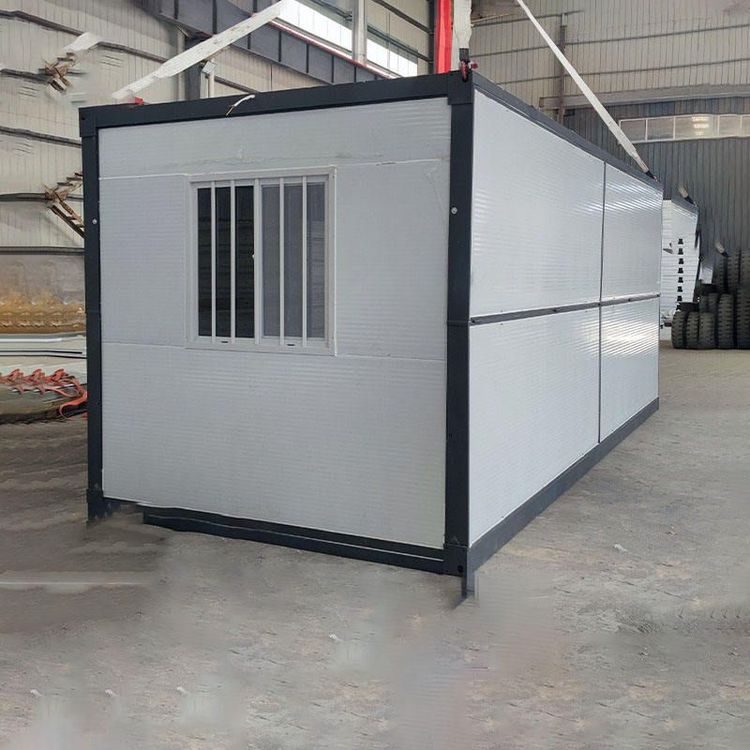
The frame of the mobile toilet must possess high strength and corrosion resistance. For example, Lanzhou Tongchuang employs a thickened galvanized square tube welding process, forming a dense oxide layer through hot-dip galvanizing, which effectively isolates moisture and oxygen contact, preventing rust and extending service life. Such structures maintain stability in complex terrains within scenic areas (e.g., mountains, sandy areas), reducing deformation risks caused by foundation settlement. Wall panel materials should balance durability and aesthetics, such as a combination of Great Wall panels and metal carved panels. The former features longitudinal concave-convex textures to enhance structural strength, while the latter improves visual appeal through carving techniques. Both materials are waterproof and fire-resistant, suitable for outdoor environments in scenic areas.
2. Functional Zoning and Sanitary Facility Configuration
The interior space should clearly delineate male and female areas, typically setting the ratio of toilet stalls at 1:1.5 to accommodate peak tourist flows. An open central handwashing area can reduce crowding, with stainless steel sinks recommended and sensor-activated faucets to lower cross-infection risks. Additionally, a ventilation system should be installed, such as a combination of ceiling exhaust fans and sidewall louvers, to accelerate air circulation and prevent odor buildup. Some high-end models also include air conditioning or heating units to enhance comfort in extreme weather conditions.
3. Aesthetic Customization and Integration with Scenic Environment
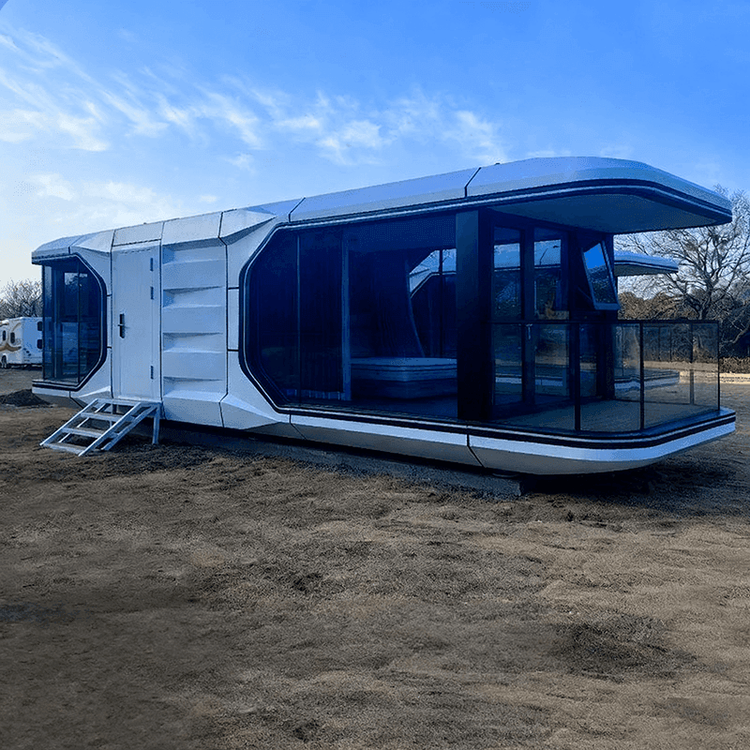
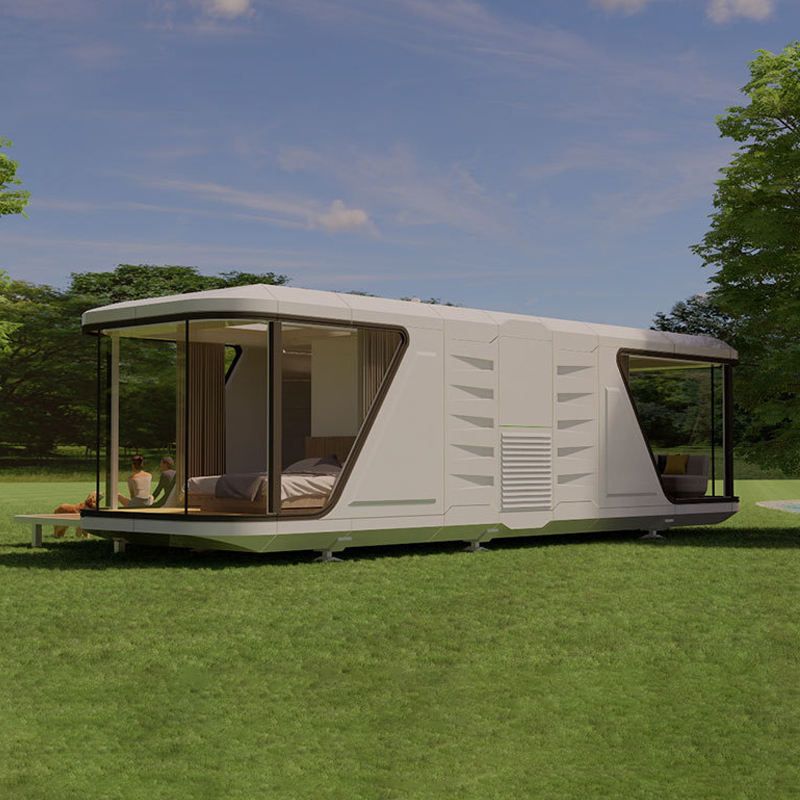
The color and design of mobile toilets should harmonize with the scenic area's theme. For instance, Dezhou Hongtu offers color customization services, allowing selection of primary colors based on natural landscapes (e.g., forests, lakes) or cultural features (e.g., ancient architecture, folk customs), such as green tones for eco-scenic areas and red tones for historical sites. Roof designs can adopt sloped or flat structures; sloped roofs facilitate drainage and complement traditional architectural styles, while flat roofs suit modern minimalist scenic areas.
4. Environmental Protection and Sustainable Design
Some mobile toilets are equipped with sewage treatment systems, such as septic tank sedimentation combined with biodegradation technology, converting waste into harmless fertilizer and reducing environmental pollution in scenic areas. Solar panel power systems can supply energy for lighting and ventilation, lowering operational costs. Furthermore, modular design supports rapid assembly, disassembly, and reuse, accommodating seasonal tourist fluctuations or temporary events in scenic areas.