
Top Portable Toilet for Temporary Use: A 2026 Guide
For temporary use scenarios in 2026, we recommend three types of mobile toilets: TOPPRE China, RTM, and portable composting toilets, covering different needs and offering portability, compliance, and adaptability.
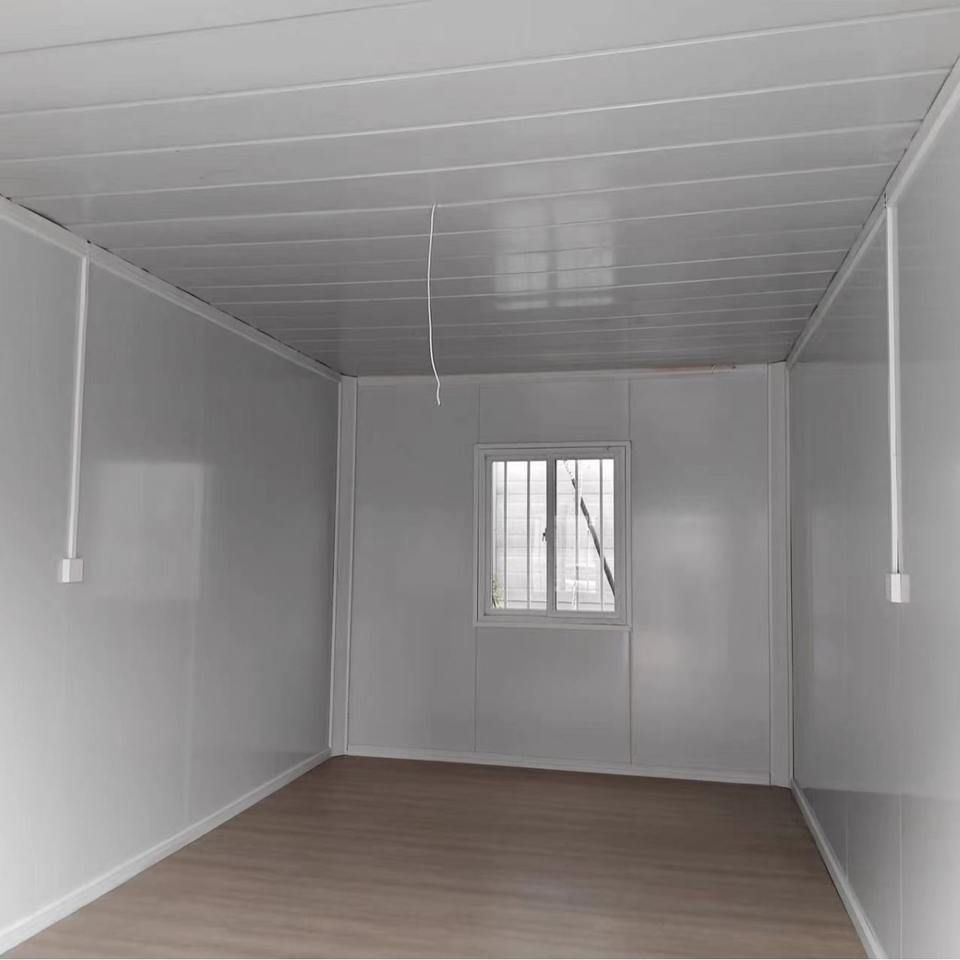
1. TOPPRE China Portable Squat Toilet: A Cost-Effective Modular Solution This product is specifically designed for temporary outdoor sanitation needs, with its core advantages being modular construction and lightweight materials. Its main body is made of corrosion-resistant sandwich panels, weighing 20% less than traditional metal units, enabling long-term use in harsh environments. Functionally, it integrates a squat toilet, sink, and water tank, and supports customization of ventilation, heating, or lighting modules to meet diverse needs in construction sites, events, camping, and other scenarios. Additionally, the product is certified by SAA, TUV SUD, and CE, complying with international safety and environmental standards to ensure compliance. Its modular design also facilitates rapid assembly, disassembly, and transportation, making it particularly suitable for temporary projects requiring flexible layout adjustments.
2. RTM Portable Toilet (US Market): Customized Services and Full-Scenario Coverage RTM focuses on customization as its core competitive advantage, offering a one-stop solution ranging from handwashing stations and water storage tanks to water-saving environmental units. Its service process includes assisting in determining the number of units based on foot traffic and regulatory requirements, covering scenarios such as construction sites, weddings, and emergency rescue. For example, in large-scale event scenarios, efficient crowd management can be achieved by combining multiple water-saving units; in emergency rescue scenarios, independent water storage tanks and suction-type treatment systems can be rapidly deployed to address sanitation issues in areas without municipal sewer networks. The brand emphasizes "configuration on demand," suitable for users with precise requirements for equipment functionality and quantity.
3. Portable Composting Toilet: A Mainstream Choice Under the Environmental Trend Driven by the demand for outdoor activities, off-grid living, and global travel, coupled with environmental regulatory pressures, composting toilets have become a mainstream choice in the 2026 market. Their core advantages lie in waterless treatment and resource recycling: converting excreta into organic fertilizer through microbial decomposition, avoiding sewage discharge; compact design, odor control, and rapid treatment capabilities (such as completing decomposition within 24 hours) meet the portability needs of RV travel, camping, and other scenarios. Additionally, the retail and wholesale markets offer a variety of products, such as regional innovations like foldable structures and solar ventilation systems, further expanding their applicability. Although the initial cost is relatively high, long-term use can save on water and sewage fees, making them suitable for users with strong environmental awareness or off-grid scenarios.
Supplementary Options for General-Purpose Mobile Toilets For more flexible configurations, refer to the general-purpose classification: in terms of structural form, single-unit structures are suitable for small-scale scenarios, while composite structures support multi-unit combinations; in terms of mobility, lifting-type units rely on lifting equipment, while powered towing-type units can move autonomously; for sewage treatment, flush-type units are suitable for scenarios with a water source, while waterless suction-type and dry-packing-type units do not require municipal sewer networks, and circulating flush-type units balance water conservation and hygiene. Users can make comprehensive choices based on site conditions, budget, and environmental requirements.



