Top Portable Toilet Custom for Temporary Use: A 2026 Guide
The 2026 guide to customizing top-tier portable toilets for temporary use should focus on structure, treatment methods, scenario adaptability, and high-end customization options, considering environmental trends and compliance requirements.

1. Selecting Basic Types Based on Structural Form and Mobility
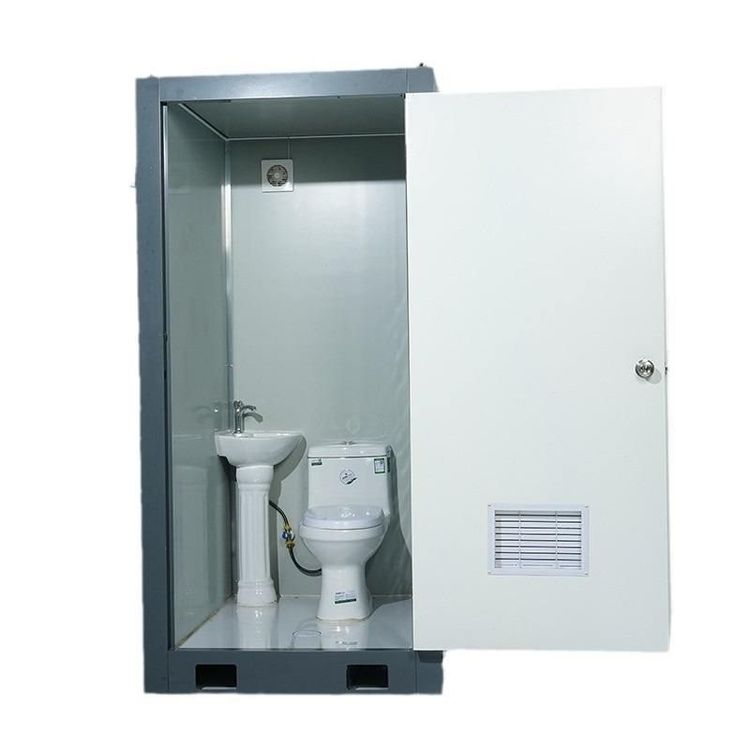
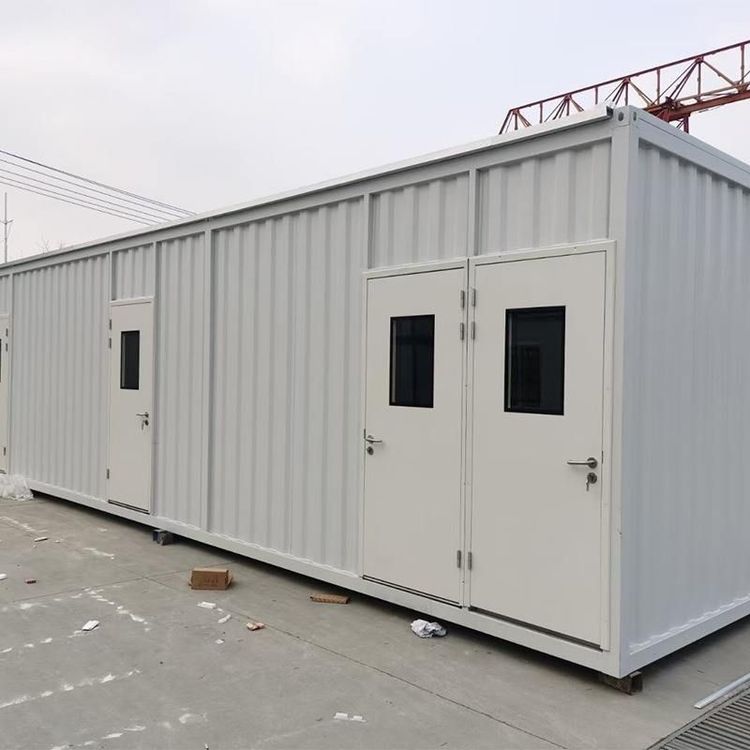
For temporary scenarios, deployment efficiency and flexibility should be prioritized. Single-unit mobile toilets are suitable for independent use, such as at music festivals or construction sites with scattered locations; composite structures meet high-traffic demands through modular assembly (e.g., stations, tourist attractions). In terms of mobility, lifting/handling types rely on mechanical equipment and are suitable for long-term use at fixed locations; powered/trailer types can move autonomously and are ideal for commercial streets, emergency relief, and other scenarios requiring frequent repositioning.
2. Matching Sewage Treatment Methods with Usage Cycles and Resource Conditions
- Short-term events (1-7 days): Prefer dry-pack types, which use replaceable sealed bags, require no water or electricity access, and have low treatment costs; or suction types, which rely on storage tanks for periodic cleaning and are suitable for venues with external treatment facilities.
- Long-term off-grid scenarios (e.g., RVs, campsites): Recommend composting toilets, which achieve waterless treatment through microbial decomposition, comply with environmental regulations, and reduce water dependency, with significant demand during peak summer travel seasons.
- High-end commercial applications (e.g., scenic spots, squares): Recirculating flush types reduce water consumption through water circulation systems, balancing hygiene and sustainability, and are suitable for scenarios with high user experience requirements.
3. Enhancing Functionality and Adaptability with High-End Customization Options
- Chinese Portable Squat Toilet Units: Modular design supports rapid deployment, with corrosion-resistant sandwich panel structures reducing weight by 20% and adapting to harsh environments; squat toilet designs save 30% water, aligning with Asian cultural preferences; customizable ventilation, heating, or lighting systems are available, with heating modules prioritized for extremely cold regions.
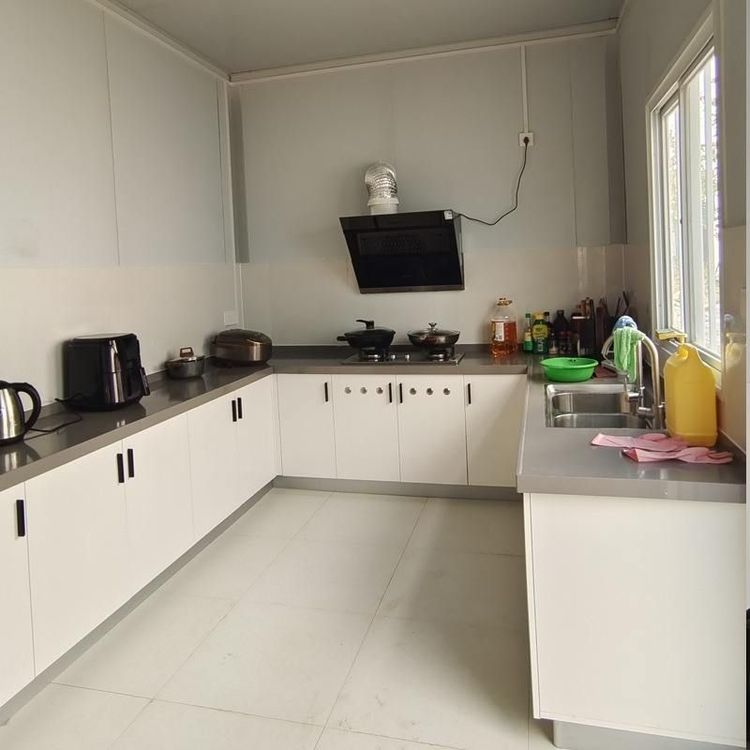
- Wecare Luxury Trailer Toilets: Stainless steel construction and non-slip aluminum floors enhance durability, with support for customizable dimensions, colors, and kitchen equipment options; power support covers 110V-380V, meeting different regional standards; priced between $9,920 and $12,400, suitable for long-term commercial scenarios such as construction sites and parks.
4. Prioritizing Compliance and Scenario Extensibility
Ensure products pass CE, TUV SUD, or SAA certifications for safety and compliance; for disaster-prone areas or chronic patient groups, specialized models offered by retailers (e.g., enhanced structural stability or barrier-free designs) can be selected. Market trends for 2026 indicate that retailers are diversifying products to meet emerging scenario demands such as road trips and yachting, with customization adjustable based on target market regulations and cultural preferences.