Back to blog
Article
How to Source Portable Toilet Material Wholesale from China
Admin November 19, 2026
When sourcing portable toilet materials wholesale from China, it is essential to select suppliers based on product type and rigorously verify their qualifications. Here is a detailed plan:

1. Clarify Product Types and Supplier Selection
HDPE Portable Toilets
- Suppliers like Nantong Zho offer portable toilets made of high-density polyethylene (HDPE), which is corrosion-resistant and impact-resistant, suitable for harsh outdoor environments. The products are equipped with flushable seats, mobile plastic structures, and integrated wheels for quick deployment.
- Ensure that the supplier holds CE or CEC certifications to comply with safety and environmental standards.
Modular Steel Toilet Cabins
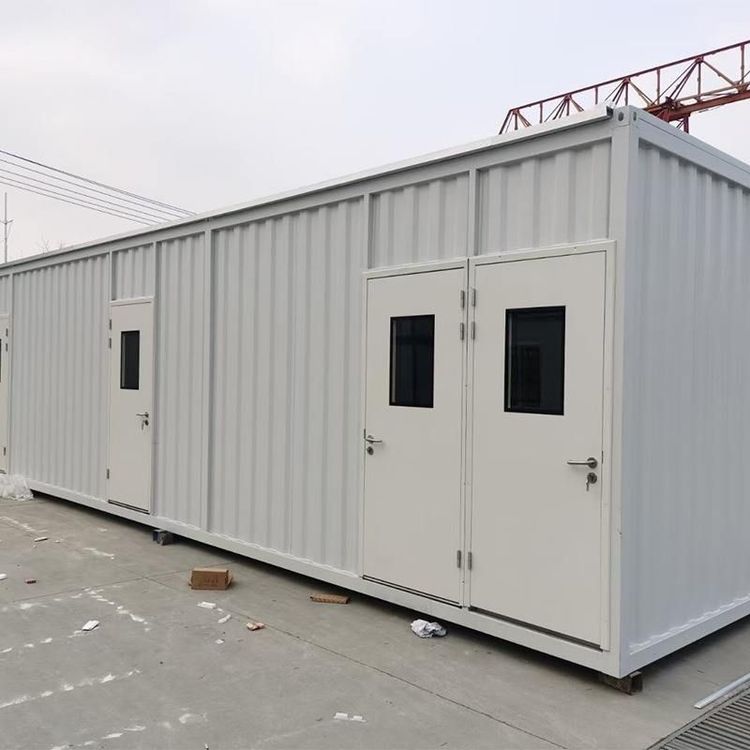
- Guangxi Nanning Jianzhian Integrated Housing Co., Ltd. provides prefabricated steel toilet cabins with price ranges from $185 to $1,080, depending on design complexity and purchase quantity.
- The cabins feature sandwich panel structures and support configurations such as shower toilets and dual-toilet setups, suitable for long-term fixed use scenarios.
Portable Toilet Bidets
- Suppliers like Xiamen Nzman Trade Co., Ltd. and Arun (Xiamen) Custom Moulding Co., Ltd. offer bidets made of ABS plastic or ceramic, with price ranges from $1 to $27.
- Choose materials based on target market preferences: ABS is lightweight and durable, while ceramic offers a more premium look but is more fragile.
2. Supplier Qualification Verification and Risk Control
Prioritize Platform-Certified Suppliers
- Select suppliers with platform verification icons, as these companies have typically undergone third-party audits and have higher credibility.
- Verify corporate registration information, business history, and customer reviews to avoid partnering with newly established suppliers or those without actual transaction records.
Compliance Certification Verification
- Request suppliers to provide international certifications such as ISO 9001 (quality management) and ISO 14001 (environmental management) to ensure standardized production processes.
- For exported products, confirm compliance with target market regulations (e.g., EU CE certification, US ASTM standards).
Sample Testing and Factory Inspection
- Before bulk purchasing, request samples for functional and durability testing, focusing on material strength, sealing, and lifespan of vulnerable parts.
- If possible, conduct on-site inspections of the factory's production capacity, quality control processes, and inventory management to avoid quality risks associated with OEM or rebranding.
3. Optimization Suggestions for the Purchasing Process
- Place Orders in Stages: For initial cooperation, recommend placing small trial orders to verify the supplier's fulfillment capabilities before expanding the purchase scale.
- Detail Contract Terms: Clearly define delivery timelines, liability for breaches, and after-sales services (e.g., spare parts supply, maintenance guidance) to reduce cooperation risks.
- Compare Logistics Options: Based on product volume and weight, compare the advantages and disadvantages of sea freight (low cost but long cycle) and air freight (fast but expensive) to optimize cost and timeliness balance.
Related