
Back to blog
Article
Tongzi Container House Assembly
Admin September 13, 2026
The assembly process for Tongzi container houses mainly includes the following steps:
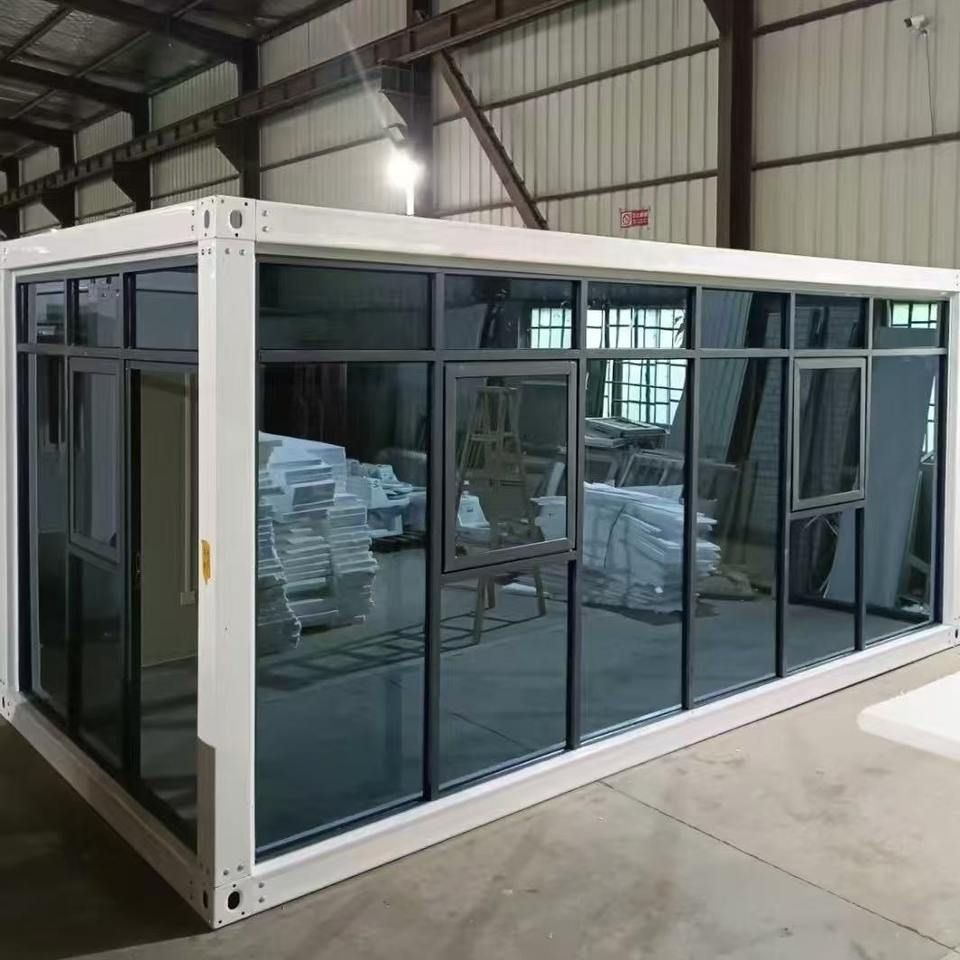
- Preparation: Clarify the building requirements and design plan, covering core parameters such as size, shape, and functional layout. Select containers that meet quality standards according to the design, ensuring the dimensions and quantity match. Also prepare tools and materials—screwdrivers, electric drills, welding equipment, bolts, sealant, and more—so that construction conditions are fully ready.
- Foundation: The site must be leveled, cleared of obstacles, and kept evenly graded. Choose a foundation type based on the design and site conditions—concrete, steel, or timber. The foundation must be non-soil materials (such as concrete or asphalt), and a waterproof isolation layer should be designed to prevent moisture penetration. When pouring concrete, ensure uniformity and compactness to avoid later settlement issues.
- Container installation: Use a crane to place each container steadily and vertically on the foundation, then connect it with bolts or by welding. Strictly check bolt tightness and weld quality. A framed installation method may also be used: first erect columns and beams, fix the steel columns, install the crossbeams, then position and connect the containers. Reinforce adjacent containers with steel plates, confirm that the core axis lines match the design drawings, and install supports and safety protection facilities.
- Electrical and plumbing systems: Route the electrical system according to electrical safety codes, install outlets, lighting, and other devices, and focus on insulation and grounding to avoid leakage risks. Lay the plumbing system according to water supply and drainage codes; after connection, test for seal integrity and drainage to ensure no leaks and smooth flow.
- Interior finishing and functional optimization: Complete wall, floor, and ceiling finishes using moisture-resistant, durable materials, and plan door and window positions thoughtfully. After installing furniture and living facilities, apply moisture protection and add ventilation equipment to improve airflow—especially important given how airtight containers are.
- Safety protection and environmental measures: Construction workers must wear hard hats, protective footwear, and similar gear. Set up sound barriers and dust-suppression watering on site to control noise and dust pollution. Welding work must be paired with fire extinguishing equipment to ensure fire safety.
- Acceptance and maintenance: After assembly, fully inspect the firmness of all component connections and accept the work once safety standards are met. Later, regularly check the container structure, electrical system, and plumbing, and replace aging parts in time to extend the building's service life.



