
Tongzhou Mobile Toilet Cleaning
Cleaning mobile toilets in Tongzhou involves multiple aspects such as cleaning procedures, daily maintenance, facility management, and environmental upkeep.
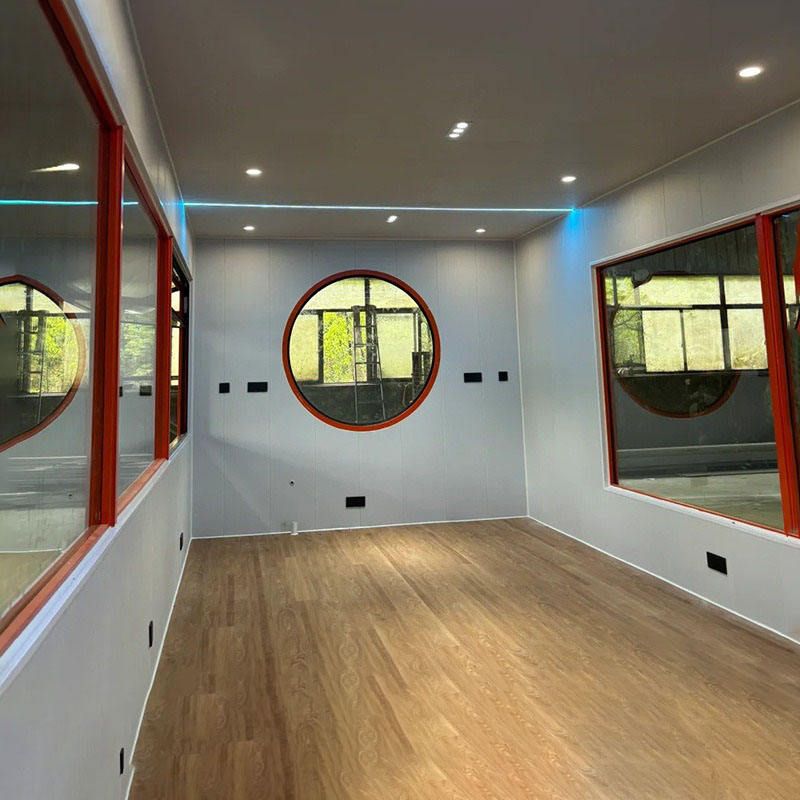
Cleaning Procedures: Cleaning staff must first take protective measures, prepare tools, and inspect the overall condition of the toilets. Then, they conduct preliminary cleaning by removing trash and debris and wiping the interior and exterior surfaces of the toilets with a neutral cleaner. After that, they perform disinfection, using an environmentally friendly disinfectant to focus on the inside of the toilet bowls, floors, and hand-washing areas. The disinfectant is left for a certain period before being rinsed off with clean water. After cleaning, natural deodorizers or ventilation equipment are used to reduce odors, and the toilet doors or windows are kept open to promote air circulation. Finally, the toilet facilities are checked for integrity, and supplies such as toilet paper and hand soap are replenished, with cleaning records made.
Daily Maintenance: Special personnel are arranged to inspect the mobile toilets daily, checking the operational status of facilities such as the flushing system, door locks, and lighting equipment, and promptly reporting and repairing any issues found. Reminder signs are posted to encourage users to use the toilets in a civilized manner, reducing the cleaning burden and fostering public health awareness. The use of biodegradable sanitary products and water-saving devices is promoted to minimize environmental impact.
Facility Management: The cleaning frequency is dynamically adjusted based on the user traffic. In areas with high traffic or during large-scale events, dedicated personnel are arranged for continuous round-the-clock cleaning, while for regular areas, a daily scheduled multiple-cleaning plan is formulated, with additional cleaning after peak usage times. The cleaning covers all details, including thorough scrubbing and disinfection of toilet bowls, anti-slip treatment and timely drying of floors, disinfection of high-contact surfaces, emptying and replacing garbage bags in trash bins, and regular cleaning of the exterior cabinets. Dedicated cleaning carts, tools, and chemicals are equipped and used separately to prevent cross-contamination. After cleaning, the tools are properly stored and regularly disinfected, and the cleaning agents and disinfectants used must meet environmental requirements.
Environmental Upkeep: The overall structure, door and window locks, interior lighting, ventilation system, water supply system, and drainage system of the restrooms are inspected daily for normal operation, and consumables are replenished in a timely manner. Weekly, monthly, and quarterly regular maintenance plans are formulated to lubricate and inspect mechanical parts, conduct safety checks on the electrical system, and regularly and properly remove and dispose of septic tanks or sewage storage tanks. Clear repair channels are established to promptly respond to and fix facility damage issues.



