Back to blog
Article
Tonglu Residential Container House
Admin September 15, 2026
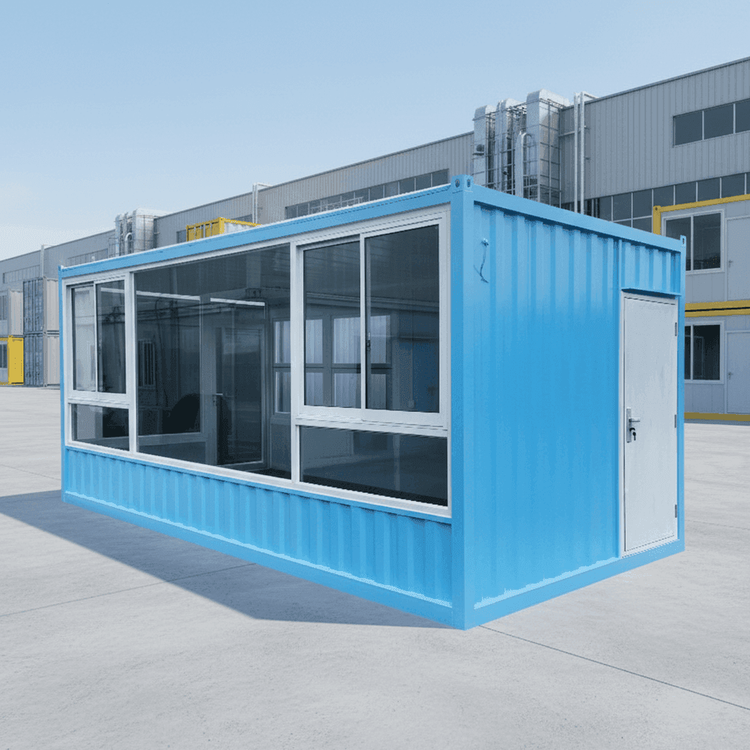
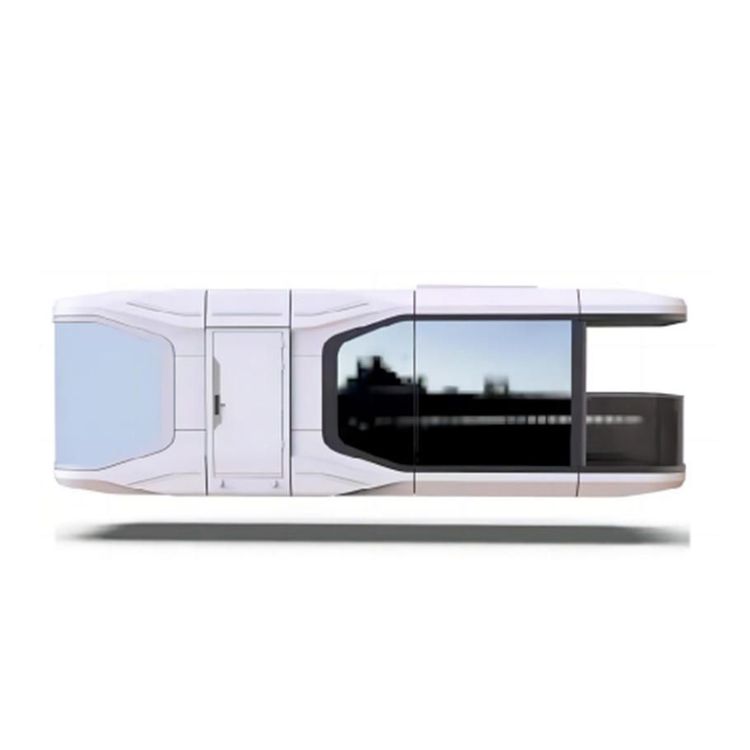
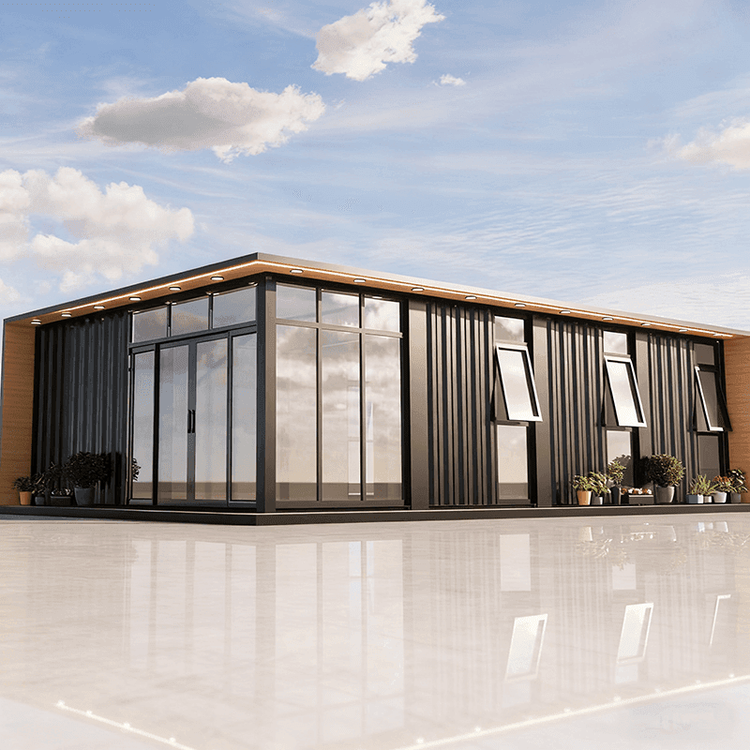
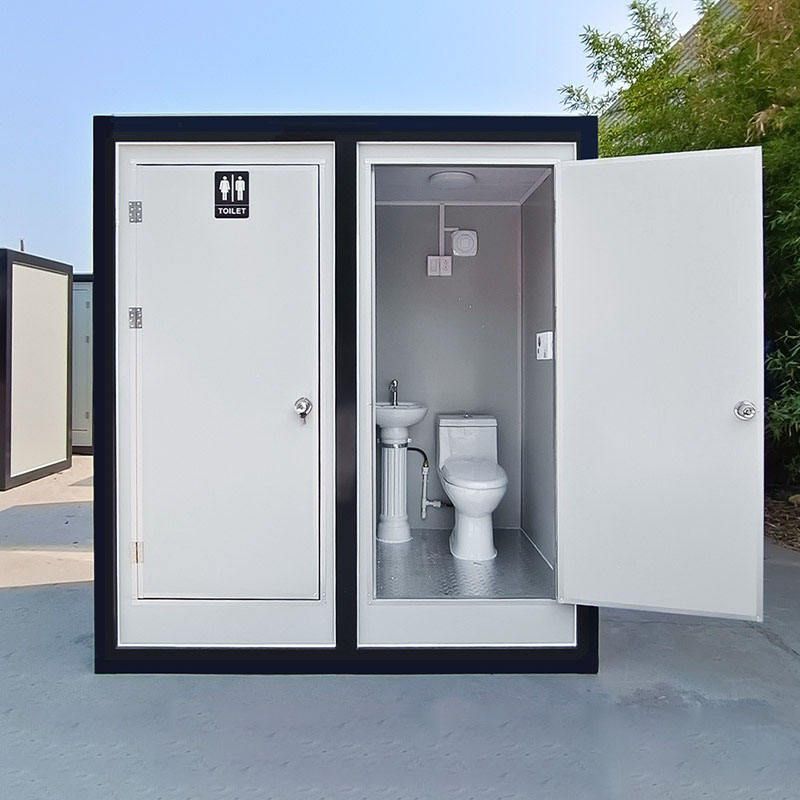
Tonglu residential container houses offer advantages such as reliable structure, convenient hoisting, attractive appearance, environmental protection and cost savings, low cost, strong mobility, complete specifications, and high customization, but they also have fire safety hazards and require attention to material selection and usage specifications.
Advantages
- Reliable Structure: Utilizing a lightweight steel frame system, they meet building structural design specifications, ensuring good safety and providing a relatively stable living environment for occupants.
- Convenient Hoisting: Standardized components are used, making installation easy and construction periods short. They are particularly suitable for emergency projects or other temporary projects, enabling rapid establishment of living spaces.
- Attractive Appearance: The overall appearance of the houses is attractive, with both indoor and outdoor areas featuring colored decorative steel plates. The colors are vivid, the texture is soft, and the plate surfaces are flat. The design and color coordination provide a good decorative effect, changing people's impression of the shabby appearance of temporary housing.
- Environmental Protection and Cost Savings: The houses are reasonably designed and can be recycled multiple times, with low wastage rates. They do not generate construction waste or pollute the environment, meeting modern society's requirements for environmental protection.
- Low Cost: The material prices are reasonable, and after a one-time investment, they can be reused. Using them as building materials can significantly reduce the workload of building structures and foundations, with short construction periods and low total project costs and comprehensive usage costs.
- Strong Mobility: The overall lifespan reaches 15-20 years, and they are easy to relocate and move, adapting to modern transportation methods such as highways, railways, and ships.
- Complete Specifications: They have a wide range of uses, strong interchangeability, high strength, low thermal conductivity, sound insulation, heat insulation, and good seismic performance, meeting the usage requirements of different scenarios.
- High Customization: They can be produced in various special-shaped houses and customized designs according to customer requirements. For example, the positions of doors, windows, and front and rear wall panels in the houses can be interchanged arbitrarily, and indoor partitions can be set at any horizontal axis position.
Disadvantages
- Fire Safety Hazards: Some temporary houses on construction sites and illegal buildings of some enterprises use flammable materials such as polystyrene and polyurethane foam for the core materials to save costs. These materials have poor fire resistance and safety. Sparks from electrical welding and cigarette butts can ignite them, and they burn quickly, making firefighting difficult and trapping occupants. Therefore, it is best to use rock wool boards or fireproof cotton as fillers for production, achieving an A-grade fire resistance limit or above. At the same time, attention should be paid to the distance between heat sources, fire sources, and container houses, and the laying of wires and cables should be standardized.
Related