Back to blog
Article
Container House Fireproof: Types, Features & Buying Tips
Admin November 26, 2026
The fireproof types of container houses include expandable, prefabricated, and flat-cabin types, featuring fireproof materials and rapid installation. When purchasing, attention should be paid to customization, after-sales service, and material certification.
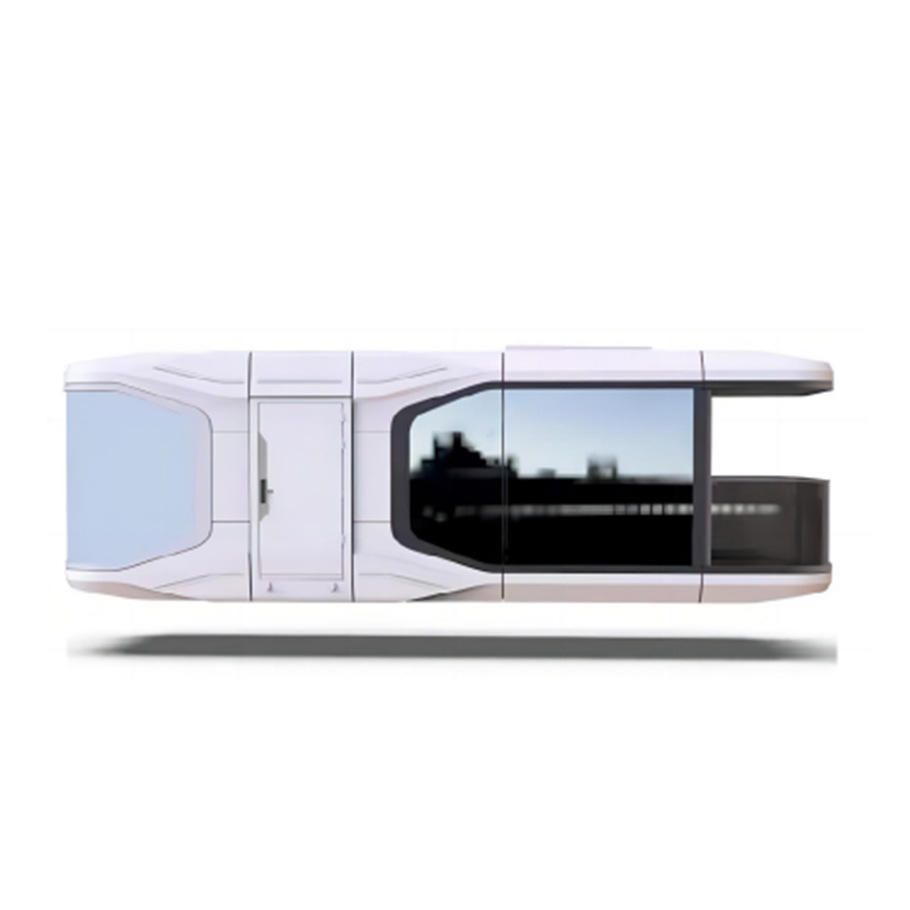
Types of Fireproof Container Houses
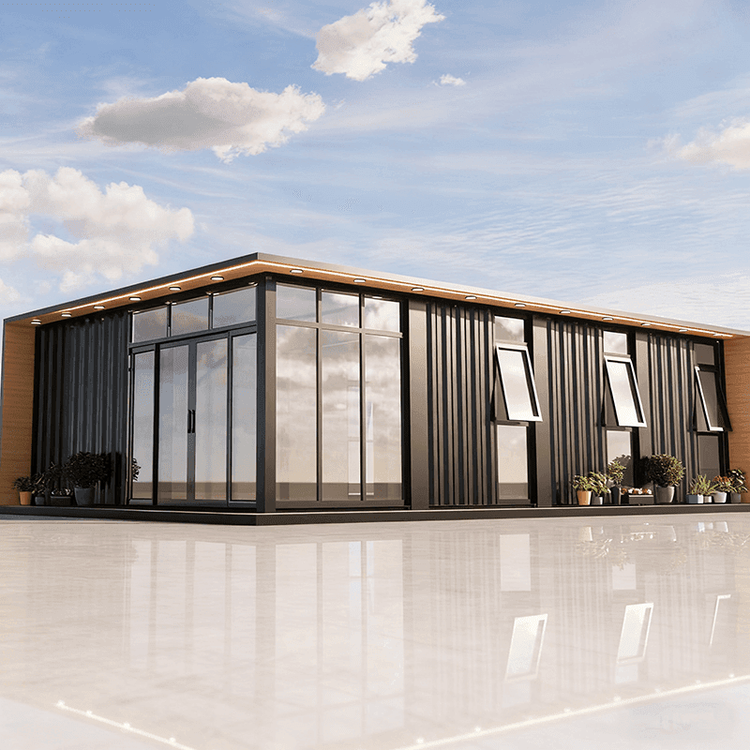
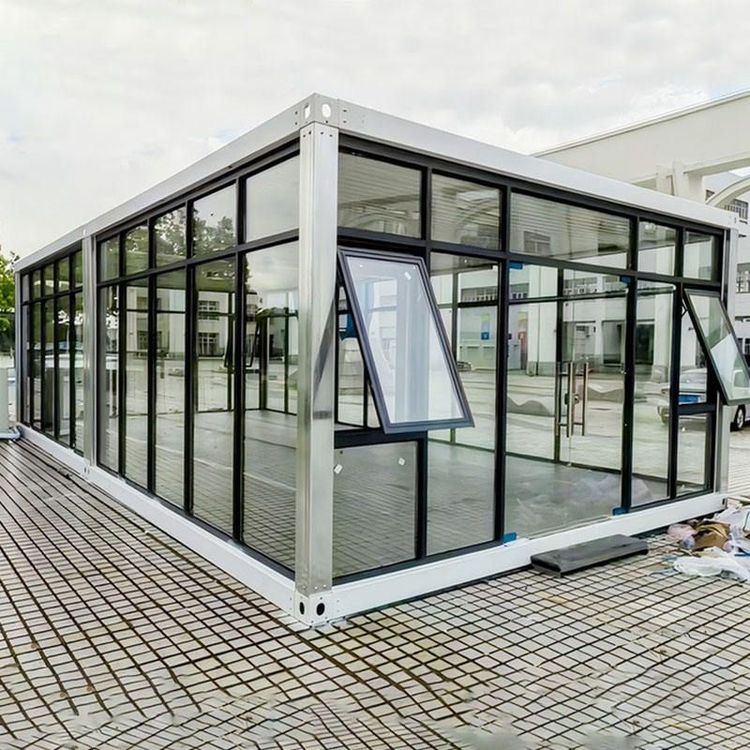
- Expandable Container Houses: Taking a 2-bedroom expandable container house as an example, it uses a steel structure paired with sandwich panels of different thicknesses (such as 50mm/75mm) as wall materials. Through modular design, it achieves space expansion while meeting fireproof requirements.
- Prefabricated Container Houses: For instance, a 40ft luxury prefabricated fireproof container house adopts a steel frame structure. The wall material combination includes a 0.376mm metal panel + 50mm EPS/glass wool/rock wool + a 0.376mm metal panel, enhancing fireproof performance through a multi-layer composite structure.
- Flat-Cabin Container Houses: These use eco-friendly EPS cement sandwich panels as walls, which combine cement and EPS particles through a special process, offering fireproof, thermal insulation, and eco-friendly properties.
Core Features of Fireproof Container Houses
- Fireproof Material Applications:
- EPS Cement Sandwich Panels: Composed of fireproof OSB panels and an EPS sandwich layer, they provide thermal insulation and durability, suitable for various structural scenarios.
- Metal Carved Panels: Some wall panels use metal carving techniques, achieving basic fireproof functions through the properties of metal materials.
- Steel Structure + Thermal Insulation Layer: The roof uses a 0.476mm PPGI metal panel, and the walls are filled with 40kg/m³ glass wool, combined with EPS/rock wool and other materials to form a fireproof and thermal insulation composite system.
- Performance Advantages: Fireproof OSB panels enhance corrosion resistance, adapting to extreme weather conditions; modular design supports rapid installation, such as expandable container houses that can be assembled within a few hours.
- Eco-Friendliness and Customization: Some products have eco-friendly certifications and support customization of size, color, and interior decoration, with application scenarios covering apartments, temporary offices, and sports venues.
Key Tips for Buying Fireproof Container Houses
- Material and Structure Verification: Prioritize products with a steel frame structure paired with fireproof sandwich panels (such as EPS cement and rock wool) to ensure compliance with fireproof standards.
- Certification and After-Sales Service: Confirm whether the product has eco-friendly certifications (such as CE, ISO) and after-sales services (such as online technical support and warranty policies).
- Cost and Logistics: Choose a price range based on your budget (e.g., expandable types range from US$5,099.00 to 9,000.00 per unit, with an MOQ of 1 unit), and confirm freight, delivery time, and shipping tracking services.
- Quality Inspection: Prioritize suppliers that offer pre-shipment inspections to avoid fireproof performance issues caused by material defects or workmanship problems.