
Tonghua Ecological Mobile Toilet
The Tonghua ecological mobile toilet is a public facility designed by integrating environmental protection concepts with mobile convenience, offering diverse functions and service support. The following provides an introduction from three aspects: production, service, and technical features:
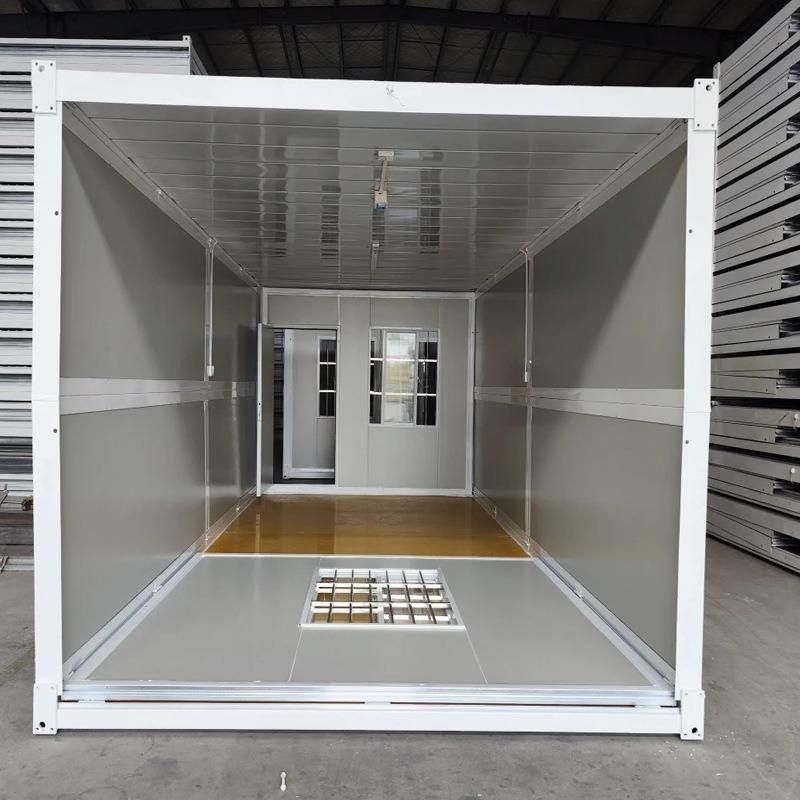
Manufacturers and Product Features
The Tonghua ecological mobile toilet is produced by multiple companies. For example, Cangzhou Hengtai Sanitation Equipment Co., Ltd. provides single-unit foaming ecological mobile public toilets for parks, supporting custom processing with models including htcs-032 and htcs-259. The materials cover color steel plates, metal carved plates, anti-corrosion wood, and aluminum-plastic plates. Sewage disposal options include water flushing, packaging, foaming, or microbial decomposition, suitable for scenarios such as municipalities, parks, scenic spots, and construction sites. The product grade is premium, with a voltage of 220V and a production location in Cangzhou. Guting Metal Products Factory also produces similar products, offering a variety of specifications and material choices, adopting a factory-direct supply model.
Service Model and Resource Management
The service chain covers the entire cycle from design to recycling. The main structure is made of high-strength composite materials, providing sealing and structural stability to adapt to different terrains. Service providers achieve rapid transportation and on-site assembly through modular design and standardized production. For rental services, it is necessary to evaluate the scale of the event, duration, and characteristics of the crowd to configure basic, barrier-free, or multi-toilet combination facilities and develop maintenance plans. Sanitation maintenance relies on a biological degradation treatment system, reducing pollution risks through microbial decomposition and chemical neutralization, with the maintenance team regularly cleaning and replenishing consumables.
Environmental Protection Technology and Resource Recycling
In terms of water conservation, pressure-type or vacuum-type flushing systems are used, with a single flush volume of only 30% of traditional facilities. Some systems are equipped with reclaimed water circulation devices to achieve closed-loop water resource utilization. Waste treatment technologies include biological fermentation degradation (converting organic matter into carbon dioxide and water), chemical solidification and storage (stabilizing waste), and mobile collection and transportation. Energy supply combines solar photovoltaic systems with energy storage battery packs to support the operation of lighting, ventilation, and intelligent control systems, with low-power LED lighting and intelligent sensing devices further reducing energy consumption. An environmental assessment system runs throughout the process, requiring soil permeability testing before deployment and ecological restoration checks after use to ensure no chemical pollution.



