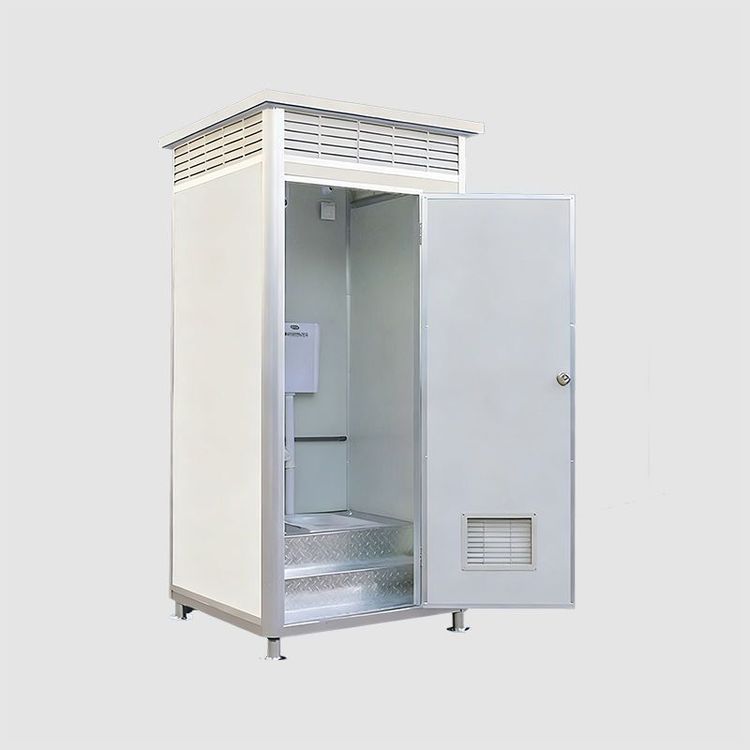
Tokyo Marathon Portable Toilets
A total of 1,114 portable toilets were set up for the 2023 Tokyo Marathon, but participants still reported insufficient numbers, reflecting the need for further optimization in toilet allocation and management for large-scale events.

Current Situation and Issues in Toilet Allocation
For the 2023 Tokyo Marathon, 1,114 portable toilets were deployed at the starting point, along the course, and at the finish line, an increase from previous years. The organizers also marked toilet locations on their official website and collaborated with environmental organizations to use more eco-friendly equipment. However, some participants reported that the number of toilets was still insufficient, leading some runners to relieve themselves in roadside green spaces, which drew criticism from Japanese netizens regarding the event's service details. This indicates that simply increasing the number of toilets may not fully solve the problem; scientific planning and efficient management are equally crucial.
Suggestions and Measures for Improvement
In response to the toilet allocation issues, netizens have proposed several suggestions:
- Add temporary eco-friendly toilets: Install temporary toilets every 5 kilometers to alleviate pressure on long-distance sections and reduce reliance on fixed facilities.
- Optimize layout in key areas: Increase the number of portable toilets in crowded areas such as the starting point, finish line, and aid stations to avoid local congestion.
- Enhance guidance and information transparency: Use the event app or on-site signage to provide real-time updates on toilet availability, guiding runners to reduce queuing times.
Directions for Improving Event Services
The Tokyo Marathon case reflects common challenges in detailed service provision for large-scale events:
- Accuracy in demand forecasting: Dynamically adjust toilet allocation standards based on data such as participant numbers, gender ratios, and course characteristics.
- Balancing environmental protection and efficiency: Promote the use of biodegradable materials or recirculating water systems to reduce the environmental impact of toilets while improving cleaning and maintenance efficiency.
- Prioritizing participant experience: Use pre-event surveys or real-time feedback mechanisms to promptly respond to runner needs and avoid service shortcomings affecting the event's reputation.
Although the Tokyo Marathon has implemented improvement measures, the toilet issue still highlights the complexity of public service design for large-scale events. In the future, data-driven decision-making, technological innovation, and multi-party collaboration will be essential to continuously enhance the精细化 (refined) level of event services.