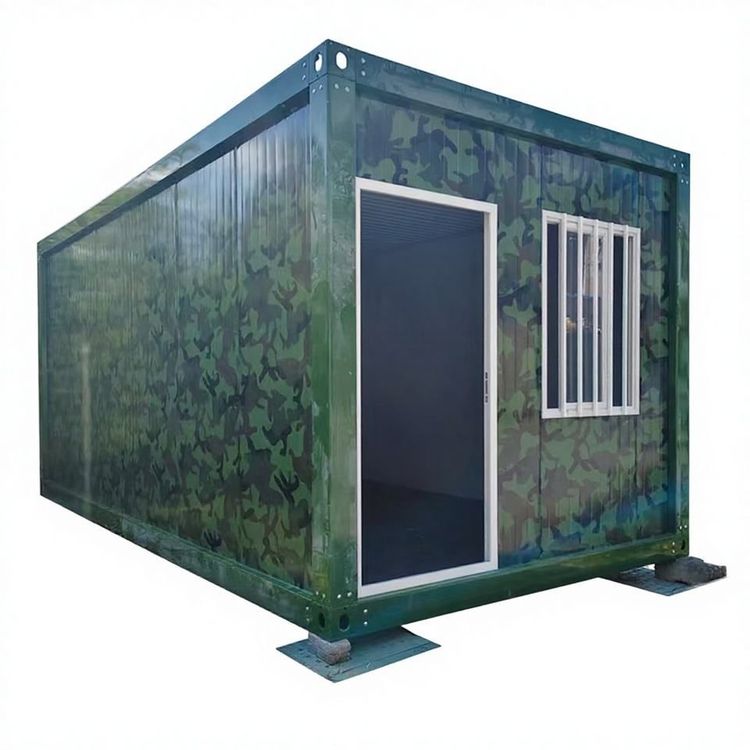
Mobile Toilet Leakage
The main causes of leakage in mobile toilets include loose connections between the toilet bowl and the floor, damaged seals in the water tank or sewage tank, broken flush pipes, loose pipe connections, clogged drains, or aging sealing strips, among others. Specific measures should be taken based on the actual cause.
Common Causes of Leakage and Handling Methods
Connection Issues Between the Toilet Bowl and the Floor
If the connection between the toilet bowl and the floor is loose, it may be due to aging or detachment of the sealant, leading to water seepage. First, turn off the water supply, clean debris from the gaps, and reapply high-quality sealant. If the toilet bowl is damaged, it should be replaced directly.Seal Failure in the Water Tank or Sewage Tank
Damaged seals or aging materials in the water tank or sewage tank are common causes. Small areas of damage can be repaired with specialized repair materials, while large areas of damage require replacement of the entire tank. At the same time, aging seals should be replaced, and sediment in the sewage tank should be cleaned regularly to prevent corrosion of the sealing structure.Pipe System Failures
Broken or loose connections in the flush pipes can cause leakage. Check the pipes for cracks or breaks and replace damaged pipes. Tighten loose connections and apply sealant at the joints to enhance sealing.Leakage at Joints or Cracks
When pipe connections are loose, the sealant ages and cracks, or the welds on the tank body are damaged, waterproof sealing tape or liquid leak stopper can be used for temporary coverage. For thorough treatment, remove the old sealant, reapply weather-resistant silicone structural sealant. If the tank body is made of metal, argon arc welding should be used for repair and anti-rust paint should be applied. For plastic or fiberglass materials, AB glue can be used in combination with fiberglass cloth for reinforcement.Drainage System Issues
Outdoor mobile toilets may leak due to clogged drains, aging sealing strips, or insufficient drainage capacity caused by extreme rainstorms. Regularly inspect the drains and sealing strips, and clean any blockages. When installing, choose a location with higher elevation and smooth drainage to prevent water backflow.
Post-Repair Testing and Daily Maintenance
After completing the repairs, allow the materials to cure (several hours to a day), then conduct a water injection test to confirm no leakage. During daily maintenance, regularly check the sealing and integrity of the toilet bowl, water tank, and pipes, and replace aging components promptly. For outdoor toilets, pay special attention to the drainage system to prevent leakage caused by blockages or improper installation locations.