Movement of Toilet Interior Walls
If referring to the interior walls of mobile toilets, their design typically includes multiple squatting positions, with various types and price options for interior wall panels; if referring to knocking down the interior walls of regular toilets and moving them inward, careful attention must be paid to waterproofing issues.

Mobile Toilet Interior Walls
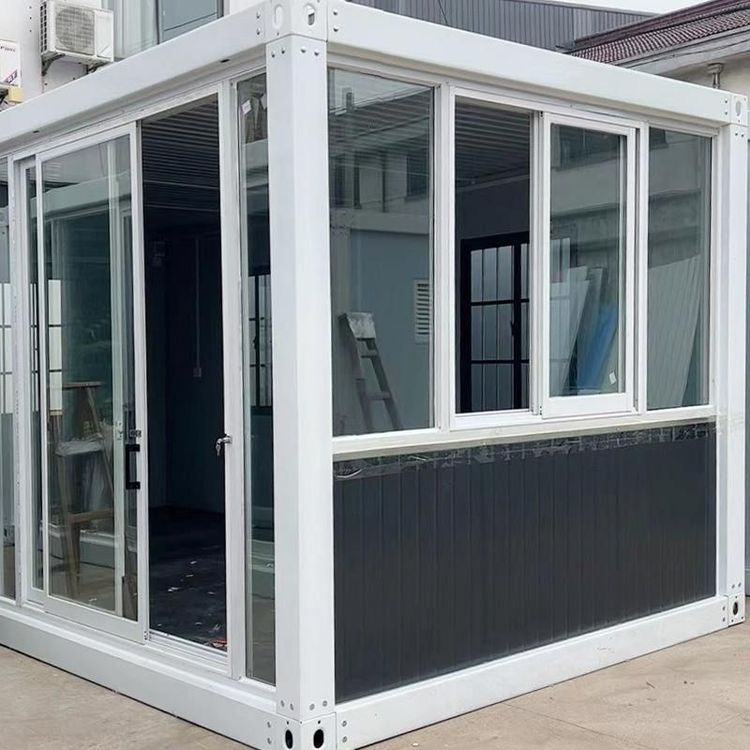
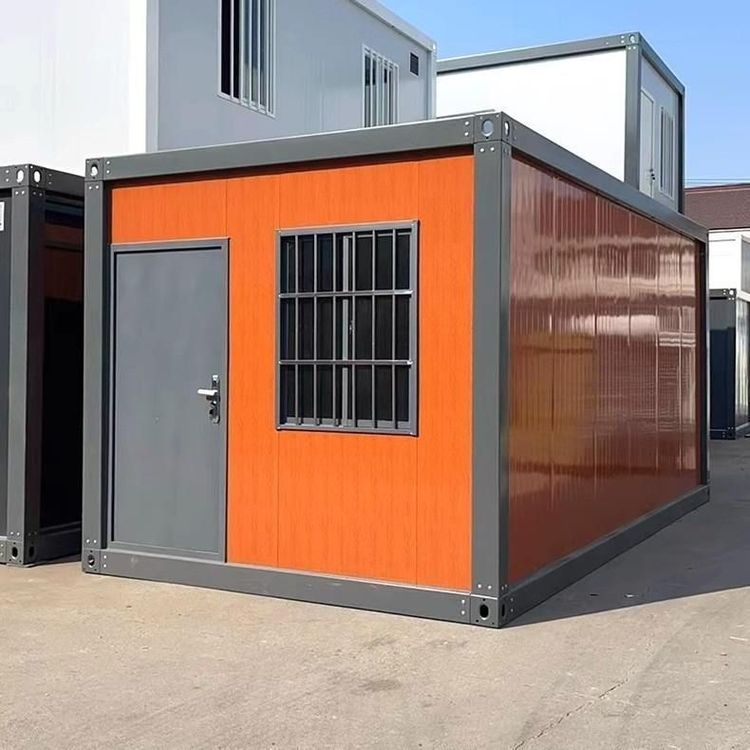
Mobile toilets, as movable public sanitation facilities, are often designed with practicality and aesthetics in mind. For interior walls, various materials and designs may be employed. For example, metal carved panel insulation and decorative panels for the interior and exterior walls of mobile toilet activity board houses in light steel villa kiosks are priced at 30.00 yuan per square meter. These panels not only provide insulation but also offer a certain decorative effect. Additionally, integrated metal carved panel interior and exterior wall decorative panels are a common choice, priced at 48.00 yuan per square meter, combining decoration and insulation for greater convenience and efficiency. Furthermore, there are also comprehensive solutions for the walls of mobile toilets, such as metal carved mobile toilet walls, priced at 8400.00 yuan per unit, which typically include the necessary structural and decorative elements.
Movement of Regular Toilet Interior Walls
For regular toilets, if the situation involves knocking down interior walls and moving them inward, extra caution is required. Professional waterproofing personnel generally do not recommend altering the original structure of the house during renovation, especially in water-using areas, as such alterations may damage the original waterproofing layer, leading to leakage problems and causing unnecessary trouble and losses for occupants.
If it is indeed necessary to alter the interior walls of the toilet, be sure to engage a professional waterproofing company for handling. After alteration, at least three layers of waterproofing should be applied to ensure effectiveness: a detail-reinforced waterproofing layer for treating easily leaking areas such as wall corners and around pipes; a rigid waterproofing layer to provide a basic waterproofing barrier; and a polymer flexible waterproofing coating to increase the elasticity and durability of the waterproofing layer. Between these three layers of waterproofing, non-woven fabric can also be added to increase elasticity and strength, thereby ensuring that the waterproofing layer does not leak during long-term use and remains leak-free for more than ten years.