Tire Container House
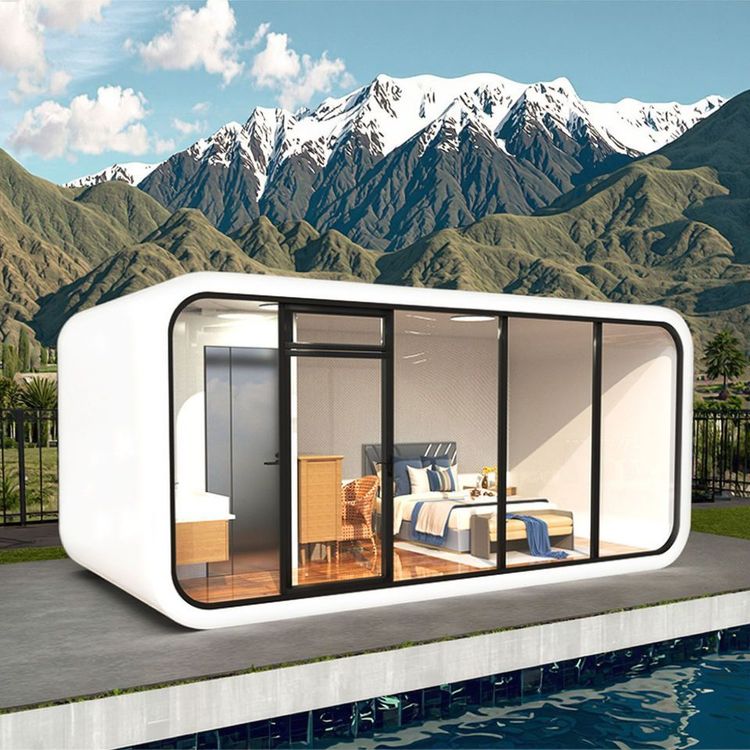
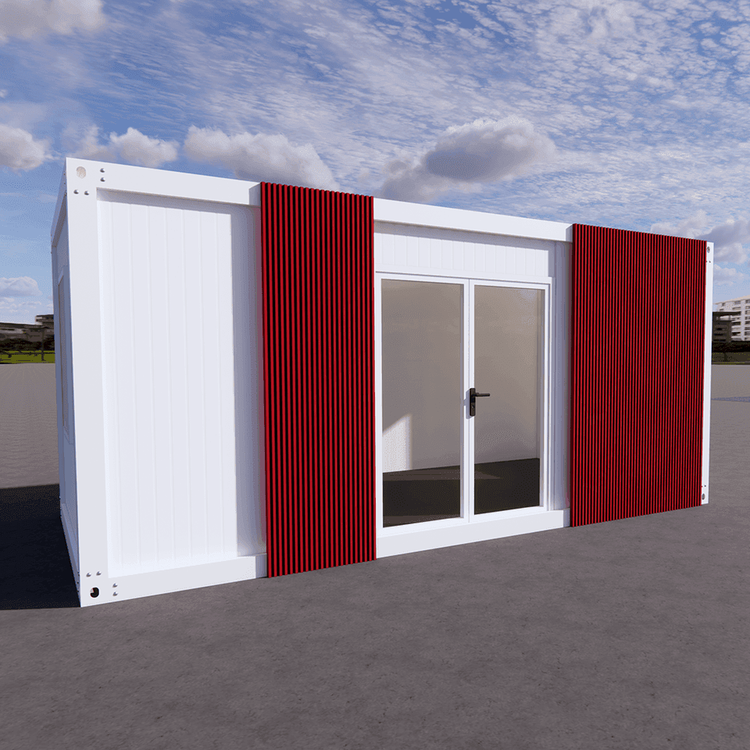
A tire container house generally refers to a modular house that uses a container as its basic structure and is equipped with tires to enable mobility. It combines the sturdiness of containers with the maneuverability of tires, making it suitable for various scenarios such as temporary living, office work, and commercial activities.

I. Structural Features
A tire container house takes a standard container (e.g., 20-foot or 40-foot) as its framework, which is welded from high-strength steel, providing wind resistance, earthquake resistance, and corrosion resistance. Tires (usually heavy-duty rubber tires or tubeless tires) are installed at the bottom to support short-distance movement or towing. Some designs allow for 90° turning or diagonal movement modes, enhancing maneuverability. The interior of the house can be customized according to needs, including insulation layers, electrical systems, doors, and windows. Some high-end models are also equipped with solar panels, bathrooms, and other facilities.
II. Application Scenarios
- Temporary Living: Such as dormitories on construction sites, housing for post-disaster reconstruction, and wild research stations, providing quickly deployable living spaces.
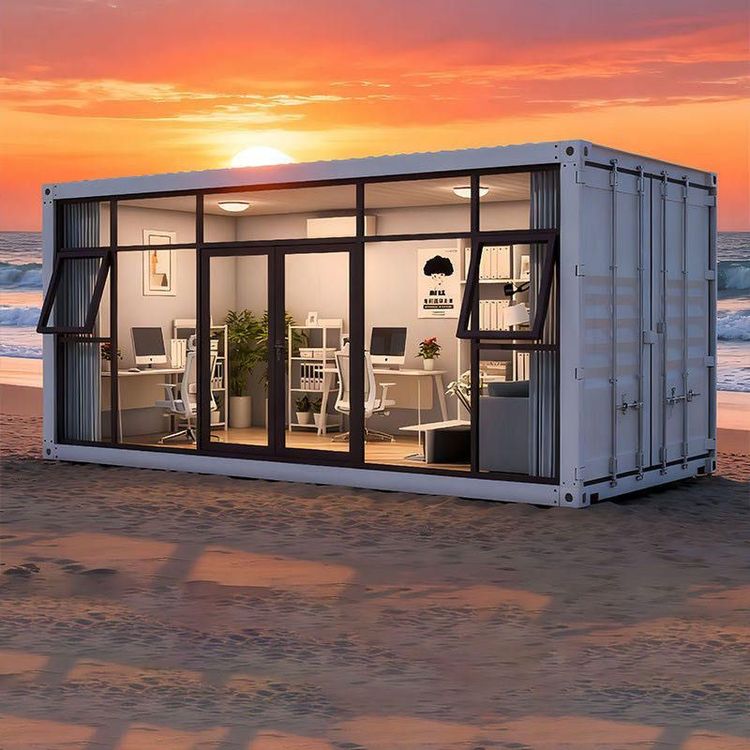
- Mobile Office: Integrated with office desks and network equipment, suitable for outdoor events and temporary exhibition offices.
- Commercial Use: Such as mobile shops, cafes, and bookstores, enabling flexible location selection through tires and reducing rental costs.
- Vacation and Leisure: Combined with modular design, creating movable vacation cabins that adapt to different environments like forests and beaches.
III. Advantages and Limitations
- Advantages:
- High Maneuverability: The tire design supports rapid relocation without the need for a fixed foundation, saving deployment time.
- Modular Expansion: Multiple containers can be combined to form larger spaces or multi-story structures.
- Environmentally Friendly and Durable: The steel is recyclable, with a service life of over 20 years. Some models use environmentally friendly materials.
- Limitations:
- Limited Movement Range: Tires only support short-distance movement, and long-distance transportation still relies on trailers or trucks.
- Insulation Performance: Additional insulation layers are required to adapt to extreme climates.
- Cost: High-end customized models are relatively expensive, but basic models offer better cost-effectiveness than traditional prefabricated houses.
IV. Market Cases
There are various tire container house products on the market, such as "movable prefabricated houses with wheels" and "20 40-foot self-folding mobile prefabricated container houses." Prices vary depending on size and configuration, with minimum order quantities ranging from 1 set to 25 square meters, meeting different scale requirements.