How to Install Mobile Toilets in Tieling
The installation of mobile toilets in Tieling requires following steps such as site assessment, positioning and fixing of the main structure, connection and inspection of internal functional systems, and overall verification and adaptive fine-tuning. Details are as follows:

Site Assessment: Before installation, a comprehensive measurement of the designated area is required. The levelness error must be controlled within a minimal range to ensure the toilet is placed steadily. Measure the soil bearing capacity; if the data does not meet the standards, an additional concrete foundation must be poured to distribute the load. Understand the distribution of underground pipelines to avoid damaging them during installation. Reserve sufficient passage space to ensure smooth access for septic tank cleaning vehicles or sewage pipe connection operations.
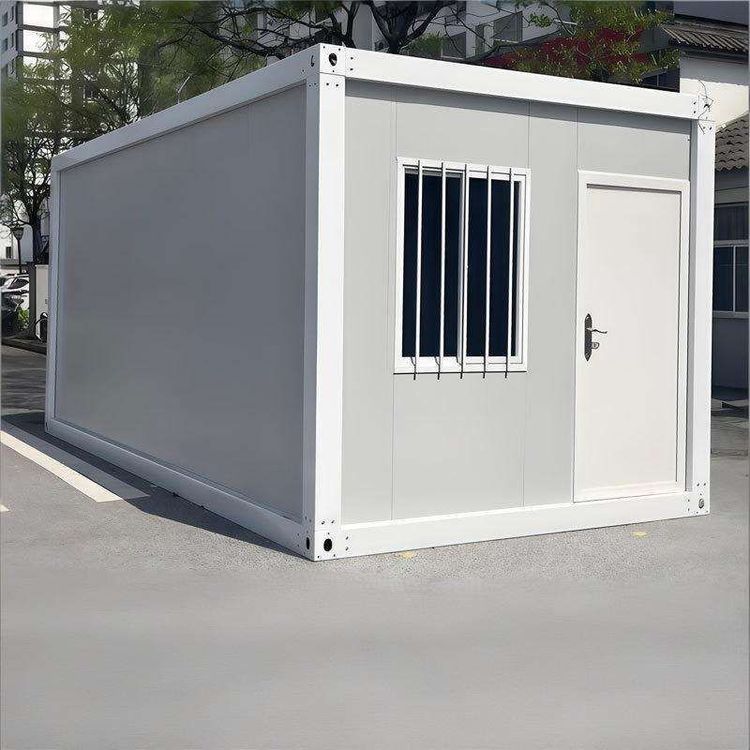
Positioning and Fixing of the Main Structure: Determine the fixing method based on the design type of the mobile toilet. For eco-friendly mobile toilets that do not need to connect to underground sewage pipes, place the box steadily on a pre-fabricated foundation or adjustable supports and achieve rigid connection through bolts or welding to withstand wind loads. For types that need to connect to municipal sewage networks or independent septic tanks, lay and seal the sewage pipes in advance before positioning the box, ensuring the pipe slope meets fluid drainage requirements to prevent blockages.
Connection and Inspection of Internal Functional Systems: Ensure effective connection of water supply pipes, power lines, and ventilation ducts. Install anti-freezing and pressure-reducing devices on water supply pipes to prevent pipe freezing in winter and equipment damage due to excessive pressure. The electrical system must comply with waterproof safety standards and be reliably grounded to ensure electrical safety. For mobile toilets with built-in wastewater treatment units, separately debug their biochemical or physical filtration devices to ensure independent operation of the treatment cycle.
Overall Verification and Adaptive Fine-Tuning: Conduct functional tests on all moving parts and electrical components such as door locks, flushing devices, lighting fixtures, and exhaust fans to ensure their normal operation. According to the actual usage environment, conduct a stability review of internal structures such as handrails and shelves to ensure usage safety. Finally, confirm the external附属设施 (ancillary facilities, here translated as 'ancillary facilities' for clarity in context, though a more literal translation might be '附属设施' directly) such as ramps and warning signs to ensure they comply with barrier-free usage and safety regulations.