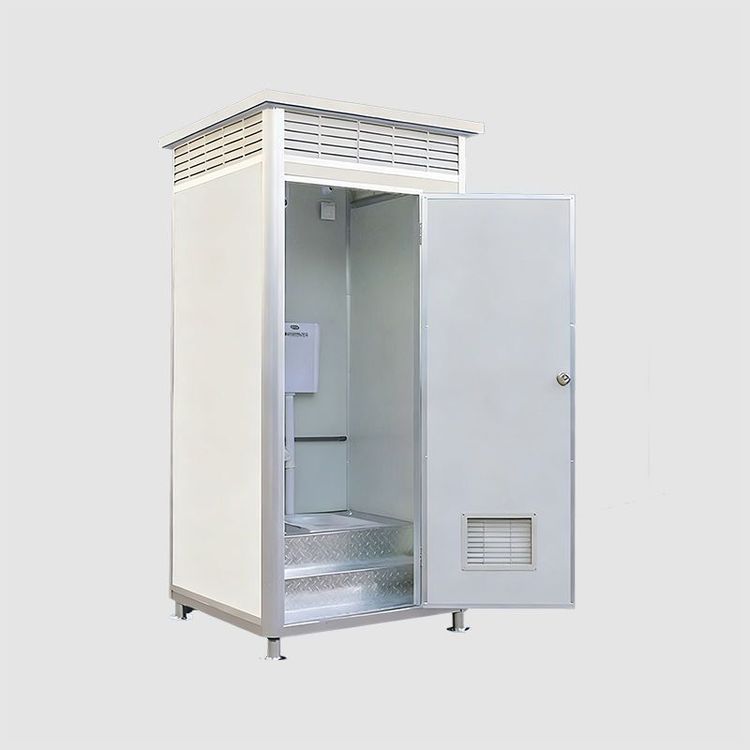
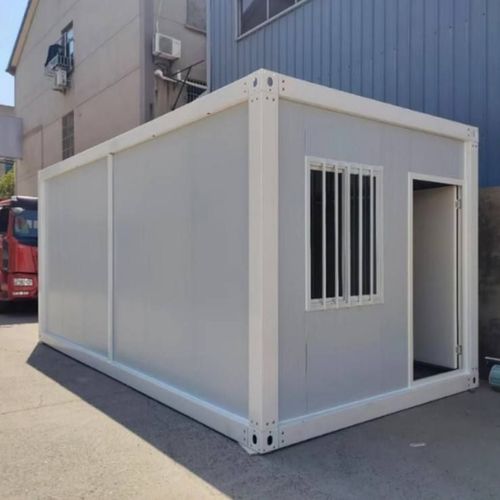
Tibet Water-Saving Mobile Toilet
The Tibet water-saving mobile toilet is an environmentally friendly facility designed for the local special geographical and climatic conditions. It achieves water conservation and ecological recycling through modular structures, weather-resistant materials, and efficient wastewater treatment technologies, effectively adapting to the plateau environment.

Modular Design and Weather-Resistant Materials
In Tibet, with its complex terrain and inconvenient transportation, the water-saving mobile toilet adopts a modular structure, facilitating split transportation and rapid on-site assembly, reducing construction time and costs. In terms of material selection, considering the characteristics of intense sunlight and alternating low temperatures on the plateau, composite materials that are low-temperature resistant and UV-aging resistant are prioritized to ensure the toilet's long-term stable operation in extreme climates. For example, the outer shell may use high-strength engineering plastics or metal frames with sunscreen coatings, reducing weight while enhancing durability.
Efficient Wastewater Treatment Technologies
To address the issue of water scarcity in Tibet, the water-saving mobile toilet integrates multiple water-saving and wastewater treatment technologies:
- Rainwater Collection and Filtration System: Some toilets are equipped with rainwater collection devices that remove impurities through multi-stage filtration (such as sand filtration and activated carbon adsorption), converting rainwater into usable flushing water and reducing dependence on groundwater.
- Vacuum Water-Saving Technology: Negative pressure suction is used to reduce flushing volume, requiring only 0.5-1 liters of water per flush, saving over 80% compared to traditional toilets, while preventing odor diffusion through sealed pipes.
- Microbial Decomposition Treatment: For example, the "Hoisting Mobile Zero-Discharge Flushing Toilet" by Weihai Guangyang Environmental Protection Technology Co., Ltd. uses anaerobic-aerobic microbial reactions to decompose feces, achieving a removal rate of over 98% with minimal residue; wastewater undergoes solid filtration, adsorption, and disinfection processes, reaching a colorless and odorless standard for recycling in flushing.
Recycling in Waterless Ecological Toilets
For areas with even more severe water shortages, waterless ecological toilets employ a microcomputer control system to biochemically decompose solid feces into carbon dioxide and water vapor (gas emissions) through composite microorganisms, while urine is treated to meet reclaimed water standards for green irrigation or toilet cleaning, achieving zero water consumption and zero discharge. This technology is particularly suitable for high-altitude and low-oxygen environments, avoiding the reduced treatment efficiency of traditional septic tanks due to low temperatures.
Comprehensive Advantages for Adapting to the Plateau Environment
Through the combination of the above technologies, the Tibet water-saving mobile toilet effectively addresses challenges such as low oxygen, large diurnal temperature variations, and water scarcity on the plateau, ensuring basic sanitation needs while reducing ecological damage, providing a sustainable solution for plateau tourism, infrastructure construction, and other scenarios.