Tibet Outdoor Mobile Toilet
Tibet outdoor mobile toilets feature diverse product supply, customization options, leasing services, and special technical characteristics along with standardized usage and maintenance requirements.

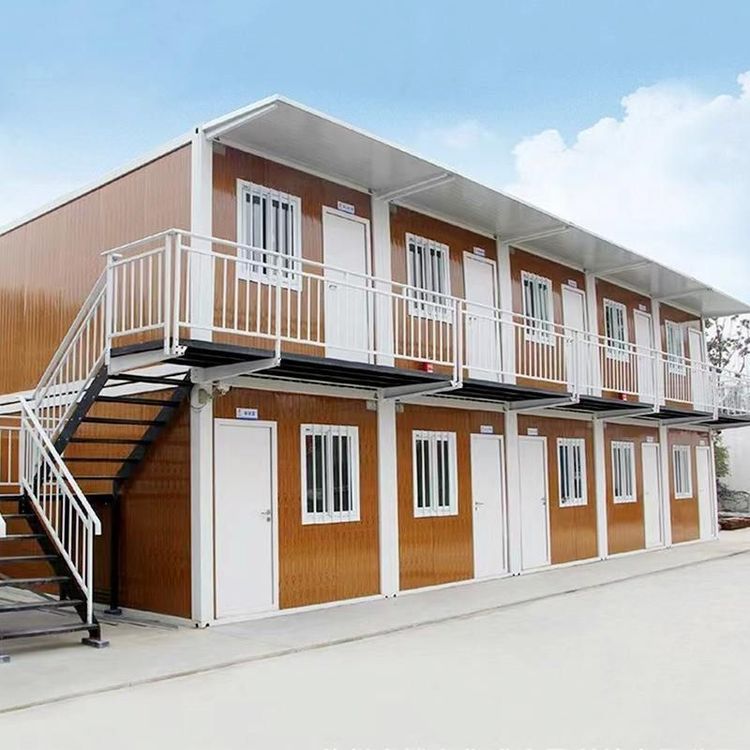
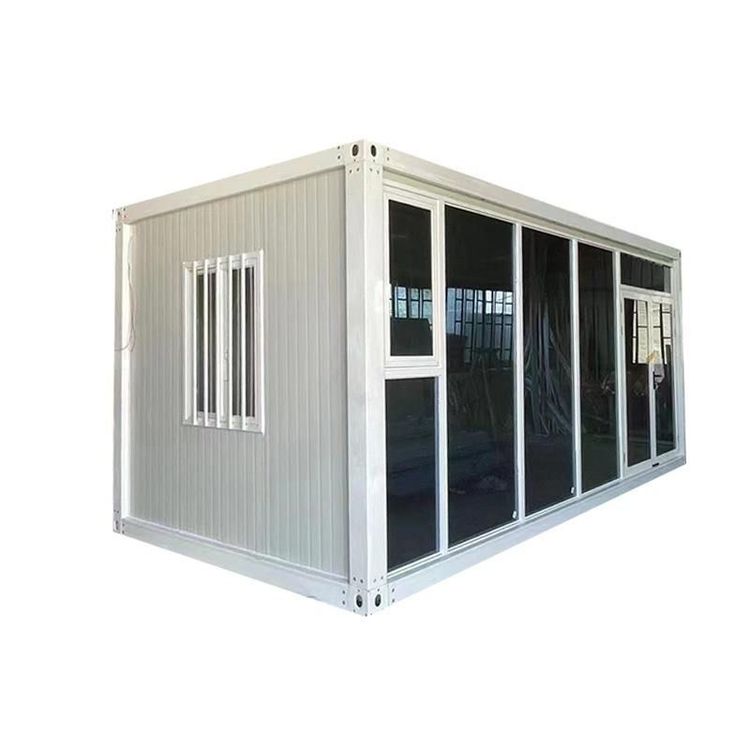
Product Supply: Outdoor finished mobile public toilets are available in Lhasa, Tibet, priced at 1200 yuan per unit, with a delivery period of 5 days, a total supply of 780 units, freight negotiable, and a minimum order quantity of 1 unit. Manufactured by the factory, these products can be customized in terms of materials, with a full range of specifications, diverse models, multiple color tones, and dimensions made according to drawings. They are of the prefabricated type, offering sound insulation, and are equipped with squat toilets, sinks, door locks, light bulbs, exhaust fans, etc. The floors are non-slip, and the supply covers multiple cities and counties in Tibet. They can also be processed and customized for a wide range of applications.
Customization Services: Some Tibetan customers have customized mobile toilets suitable for scenic spots, parks, and camping bases, such as suite-style toilets, with distinctive overall designs that can incorporate elements like the Great Wall to meet the personalized needs of different scenarios.
Leasing Services: Mobile toilet leasing services are available in Tibet, covering mobile restrooms, mobile washrooms, and mobile public toilets, suitable for various scenarios such as construction sites, marathons, concerts, and music festivals, providing convenient sanitation facility solutions for different events.
Technical Characteristics: Given Tibet's high altitude and unique climate, the external shell of mobile restrooms needs to have a low thermal conductivity coefficient, and the outer shell material is usually treated with an anti-UV coating. For waste disposal, biological degradation technology is employed, using specific microbial agents to decompose solid waste; another common method is chemical solidification. The flushing system is often designed as a circulating water mode or a minimal water flushing mode. Energy supply typically relies on solar photovoltaic panels, which convert light energy into electrical energy stored in batteries. The structural design must consider strong wind loads, with frames often made of lightweight alloy materials connected by bolts to form an integral unit. The modular design facilitates disassembly for transportation and allows for adjustments to internal space by adding or removing module units.
Usage and Maintenance: Regular tasks include cleaning the solid waste collection bins, replenishing degradation agents or curing agents, and checking the battery level and water quality filter. The maintenance cycle is dynamically adjusted based on actual usage intensity, with increased frequency during the peak tourist season.