
What is a Mobile Toilet in Tibet
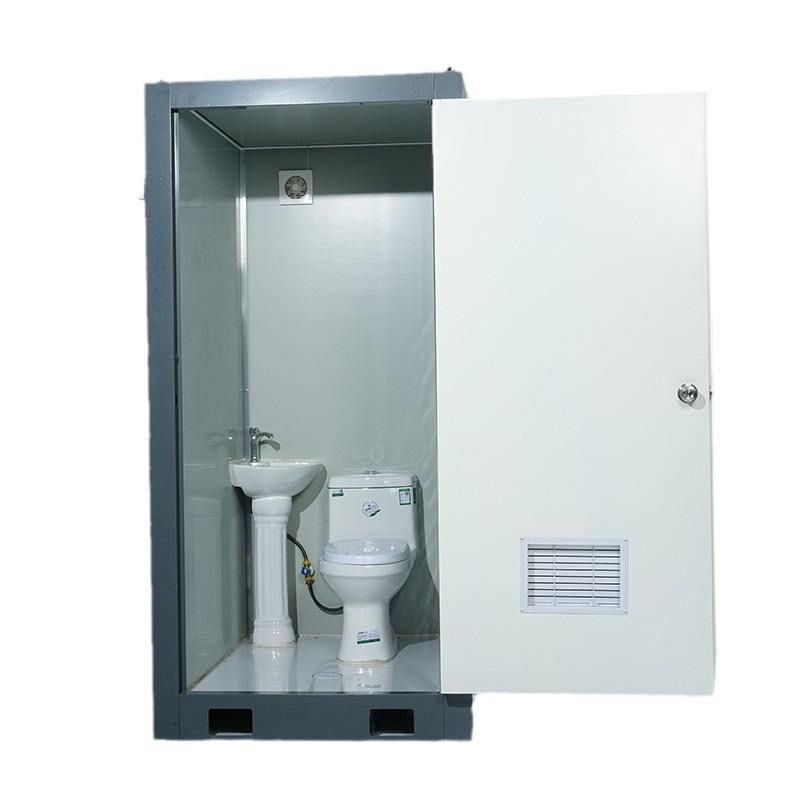
Mobile toilets in Tibet are temporary or semi-permanent public sanitation facilities designed to be disassembled, transported, and modularly integrated, specifically tailored to the unique geographical and climatic conditions of high altitudes, frequent rain and snow, significant temperature variations, and complex transportation conditions. Their design must meet the following core requirements:
1. Structural and Material Adaptability
To address issues such as strong ultraviolet radiation, low-temperature freeze-thaw cycles, and rain and snow erosion in high-altitude areas of Tibet, the main body of the mobile toilet undergoes double-layer anti-corrosion treatment with galvanization and spray coating, ensuring long-term use of metal components without rusting in humid environments. The outer shell material must be impact-resistant to withstand bumps during transportation. The floor and ramps are equipped with carborundum anti-slip layers to prevent pedestrians from slipping in rainy or snowy weather, while also meeting accessibility standards.
2. Environmental Adaptability Technology
The insulation system is a key design feature, utilizing double-layer wall structures and high-efficiency thermal insulation materials to ensure stable operation of the toilet in extreme temperature variations ranging from -20°C to 40°C, preventing internal pipeline freeze-cracking or equipment failure due to high temperatures. The power supply adopts a dual-mode system of mains electricity and solar energy, with solar panels equipped with automatic tracking devices that switch to mains electricity when sunlight is insufficient, ensuring continuous operation of lighting, ventilation, and intelligent management systems.
3. Modular and Ecological Functions
Taking the mobile toilet in Nyingchi as an example, its modular structure consists of three core units:
- Treatment Unit: Utilizes biodegradation or physical separation technology, reducing solid waste treatment volume through independent urine diversion devices. The biodegradation system has a daily treatment capacity of 30 liters, with a COD removal rate of ≥85%, suitable for the needs of ecologically sensitive areas.
- Storage Unit: Divided into two isolated chambers for temporary storage of solid decomposition products and liquids, preventing cross-contamination and requiring regular removal by specialized vehicles.
- Auxiliary System: Integrates ventilation devices (negative pressure exhaust to prevent odor diffusion) and solar power supply equipment. Some products are equipped with intelligent management systems that can monitor toilet occupancy status, temperature and humidity, and equipment operation data in real-time.
4. Transportation and Installation Specifications
The product complies with GB/T 18045-2021 'General Technical Conditions for Mobile Public Toilets', supporting whole-toilet hoisting and transportation. The chassis reinforcement beam design ensures transportation stability. Installation does not require complex foundation treatment; modules are assembled through quick-connect interfaces, shortening the construction period and reducing the impact on the surrounding environment.
These mobile toilets are widely used in tourist attractions, transportation hubs, and temporary event venues in Tibet, effectively addressing maintenance challenges faced by traditional public toilets in extreme environments. Additionally, they reduce water consumption through biodegradation technology, aligning with local ecological protection needs.


