Tibet Mobile Toilet Decoration Design
The decoration design of mobile toilets in Tibet focuses on modularity, environmental adaptability, and functional integration, forming a scientific and practical solution tailored to the unique high-altitude environmental requirements. The specific features are as follows:

1. Modular structural design for adapting to complex high-altitude environments
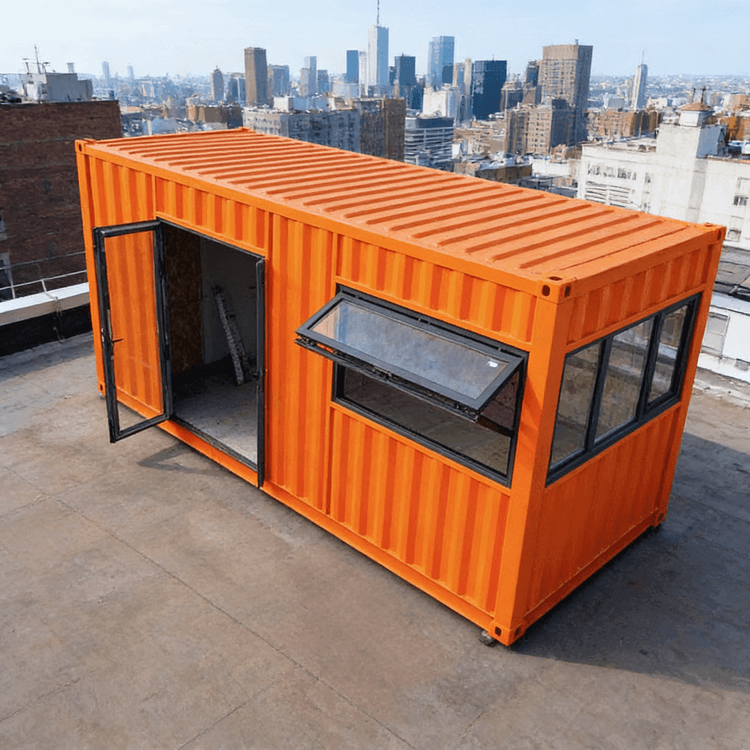
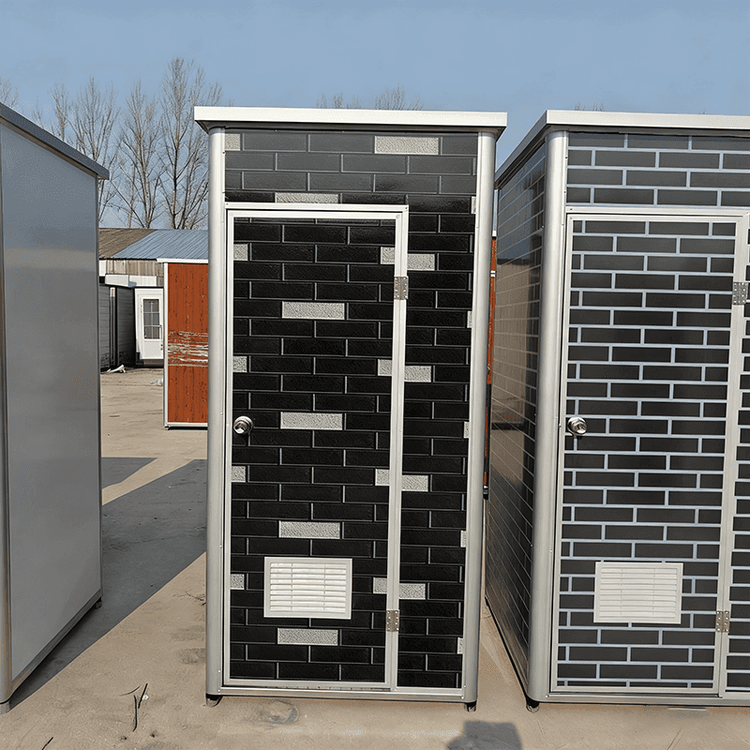
Tibet's mobile toilets adopt a modular structure that can be assembled and hoisted. The main frame is primarily made of metal materials (such as iron sheet 02 profiles), with color-coated steel plate edging on the exterior and 5mm-thick foam material filling inside. This design ensures structural strength while providing thermal insulation through the foam layer, effectively addressing the significant temperature variations between day and night (ranging from -20℃ to 40℃) in high-altitude areas. For example, Dezhou Hongtu Metal Products Co., Ltd. customized a suite-style toilet for Tibet, featuring a "warehouse-style design + Great Wall metal relief panel" that balances aesthetics and wind resistance.
2. Material selection emphasizing performance and durability
The materials chosen are mainly color-coated steel sandwich panels, metal relief panels, and weathering steel, meeting multiple functional requirements:
- Thermal insulation: The thermal insulation coefficient (K-value) of the wall core material is ≤0.45 W/(m²·K), reducing heat transfer;
- Fire safety: The core material has a Class A fire rating, lowering fire risks;
- Corrosion resistance: The galvanized layer thickness is ≥120μm, protecting against strong UV rays and wind erosion in high-altitude areas.
These materials are processed using standardized techniques to ensure stability during long-term use.
3. Functional configuration balancing practicality and intelligence
- Basic functions: The interior space is compact yet practical, equipped with plastic windows (ensuring privacy and lighting), metal locks (for security), and color-coated steel edging (to avoid sharp edges);
- Environmental protection: Microbial degradation technology is used, with cold-resistant bacteria converting waste into organic fertilizer within 48 hours, eliminating the need for plumbing systems and achieving "flush-free, odor-free, and pollution-free" operation;
- Smart management: Integrated systems for crowd monitoring, odor control, and energy-efficient lighting are included. For example, the public toilets at Yuzixi Scenic Area enhance user experience with sensor-activated lighting, gravity-sensing squat toilets, and smart monitoring screens;
- Cultural and tourism integration: Ultra-high-definition screens are installed on the exterior for scenic area guides, while interior screens access AI cultural tourism models, recommending nearby attractions and merchant discounts, creating a "toilet + consumption"闭环 (closed loop).
4. Enhanced environmental adaptability design
In response to high-altitude characteristics such as low pressure and strong UV rays, the design includes:
- Air pressure adaptability: Real-time monitoring of equipment status via 5G communication dynamically adjusts microbial activity to ensure normal operation of the degradation tank under low-pressure conditions;
- UV protection: Weathering steel and metal relief panels are used to reduce material aging risks;
- Extreme temperature adaptation: The self-developed Yunhui Pushi platform dynamically adjusts equipment operating parameters to ensure stability in environments ranging from -20℃ to 40℃.
5. Easy installation and low maintenance costs
The top and bottom sections feature a split design, allowing for transportation of individual components to remote areas, with simple tools required for on-site assembly. Daily maintenance involves regular cleaning of the degradation tank and inspection of smart systems. For long-term disuse, the toilet can be disassembled and stored in a dry, ventilated area to extend its service life.