Back to blog
Article
Installation of Environmental Protection Mobile Toilets in Tibet
Admin October 05, 2026
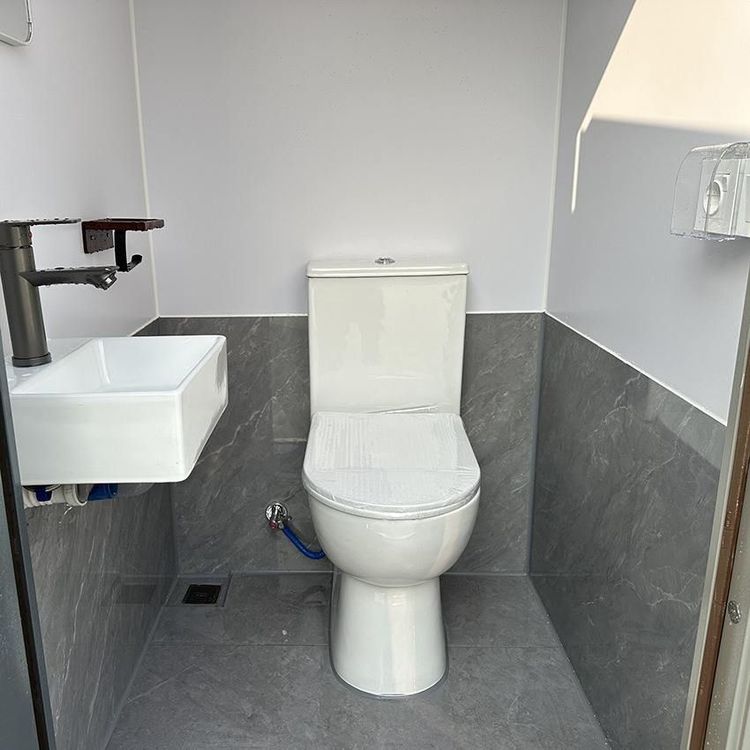
The installation of environmental protection mobile toilets in Tibet requires scientific planning based on geographical environmental characteristics, covering aspects such as materials, foundations, pipelines, and site selection, while also offering significant environmental protection value.
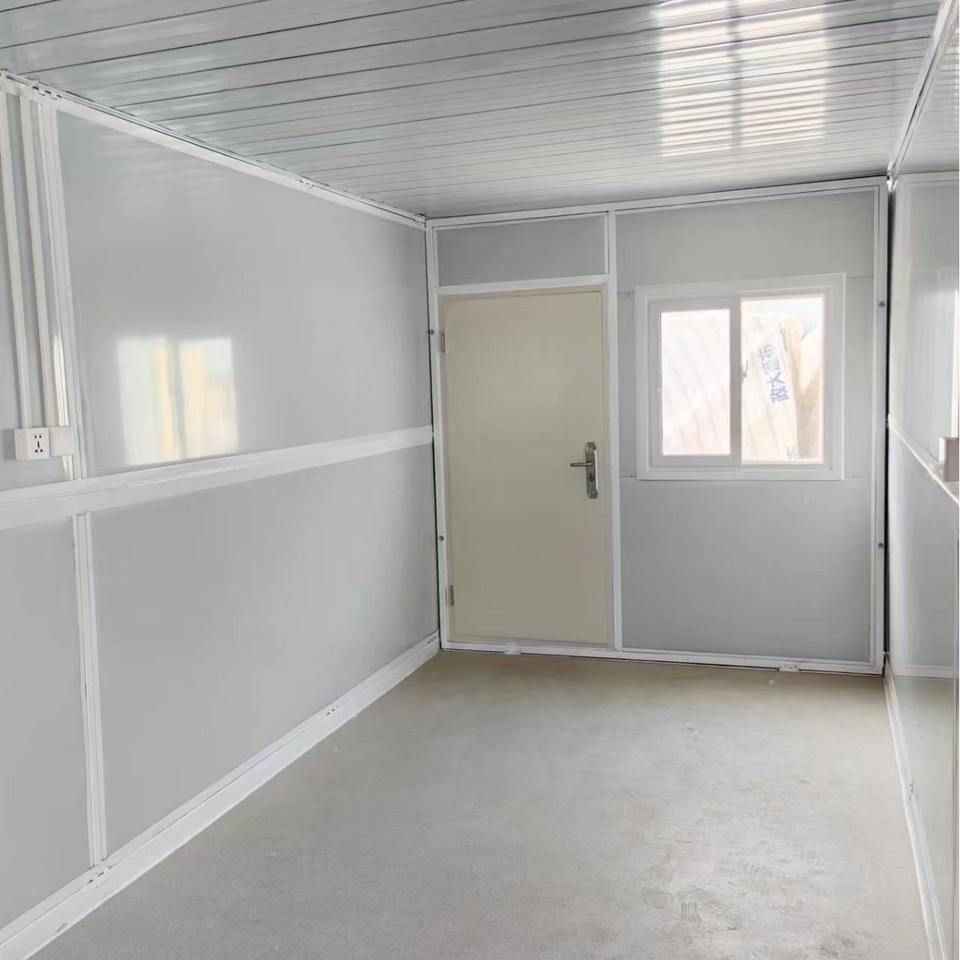
Installation Key Points
- Material Selection: The main structure combines colored coated steel sheets with light steel keels, featuring high reflectivity to reduce solar radiation heat absorption. The surface coating is treated for corrosion resistance, suitable for the strong ultraviolet rays and extreme weather conditions of the plateau. Bolts are used at structural connection points for easy disassembly and transportation, minimizing land disturbance during on-site construction.
- Foundation Treatment: In permafrost areas, shallow foundations with thermal insulation layers are used to prevent structural deformation caused by freeze-thaw cycles. In non-permafrost areas, prefabricated concrete block foundations are employed to avoid large-scale earth excavation and protect the fragile ecosystem.
- Pipeline Connections: Sewage pipelines are equipped with thermal insulation layers to prevent freezing in winter. Power supply relies on solar photovoltaic panels and battery packs for energy self-sufficiency. Quick-connect interfaces simplify the installation process and improve efficiency.
- Site Selection for Installation: Avoid wildlife migration paths and buffer zones around water sources to minimize interference with ecosystems. The exterior color is coordinated with the surrounding landscape to reduce visual intrusion and maintain the natural appearance of the plateau.
Environmental Protection Value
- Water Resource Management: Vacuum or micro-water flushing technologies are used, consuming only 1/10 of the water used by traditional toilets. Feces are treated through a combination of biological degradation and sealed storage, with the addition of bacterial agents to accelerate decomposition. The final products, after safety testing, are used for vegetation restoration, achieving resource utilization.
- Pollutant Control: Activated carbon filters and small ventilation devices are installed inside to maintain clean air. Storage tanks feature multi-layer sealed structures to prevent leakage and contamination of soil and groundwater. Specialized sealed vehicles are used during transportation to avoid secondary pollution.
- Resource Recycling: Waste components such as batteries and filter elements are classified and recycled to reduce local waste accumulation. Weihai Guangyang Environmental Protection Technology Co., Ltd.'s 'Hoisting Mobile Zero-Discharge Flushing Toilet' achieves a feces removal rate of over 98% through microbial decomposition technology, with purified sewage reused for flushing, achieving zero discharge goals.
By integrating scientific design and technology, environmental protection mobile toilets in Tibet effectively reduce negative ecological impacts while adapting to extreme environments, providing crucial support for sustainable development in plateau regions.