
Prefabricated Housing for Tibet Border Defense Forces
The prefabricated housing used by the Tibet border defense forces is a new type of detachable, self-sufficient, and thermally insulated barracks, featuring adaptability to high-altitude environments, rapid construction, energy self-sufficiency, and strong thermal insulation.
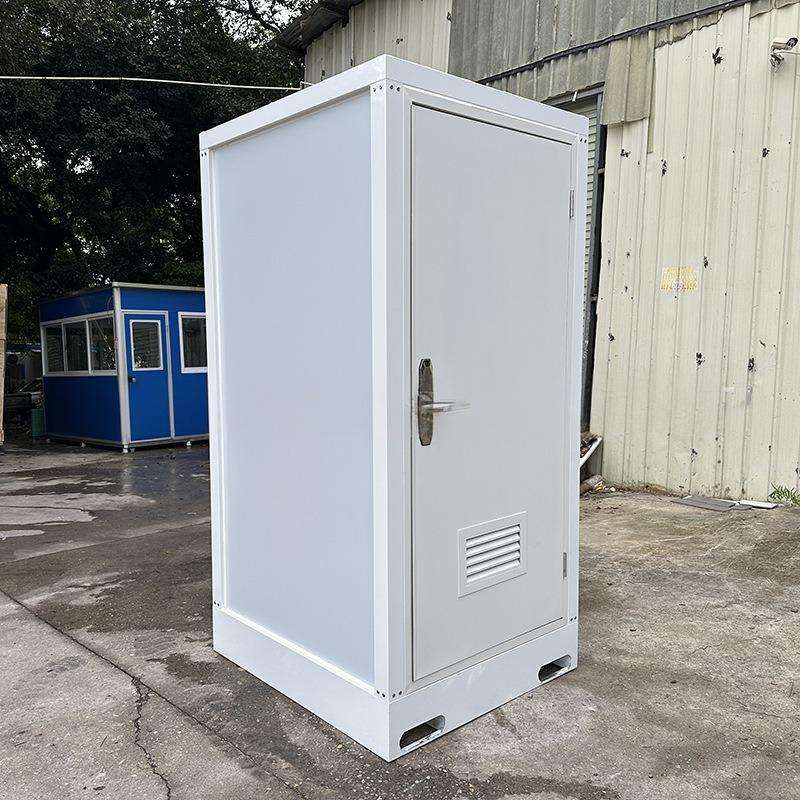
Design Background and Applicability
This barracks is specifically designed for high-altitude and cold regions, addressing the challenges of Tibet's border areas characterized by high mountains, long distances, and lack of support infrastructure. It meets the operational requirements in environments above 5,000 meters in altitude and extreme low temperatures (-40°C). Its extended design life, significantly enhanced earthquake and wind resistance, and reinforced roof design improve disaster resilience, ensuring stable operation under harsh natural conditions.
Production and Construction Efficiency
All components are prefabricated in factories and delivered to construction sites via modern logistics. With a lightweight design, soldiers can quickly assemble the barracks manually without mechanical assistance, supporting flexible combinations into different-sized camps for squads, platoons, companies, and brigades. This modular design significantly shortens the construction cycle and enhances the mobility of the troops.
Energy and Technological Self-Sufficiency
The barracks integrate energy-efficient building design with photovoltaic power generation technology to achieve 'energy self-sufficiency.' The roof panels are combined with solar panels to meet the camp's electricity needs and provide hot water supply. A microgrid system ensures stable power supply, reducing reliance on external energy sources and adapting to the reality of energy scarcity in border areas.
Thermal Insulation and Living Performance
Under extreme outdoor temperatures of -40°C, the barracks can maintain an indoor temperature above 15°C, primarily relying on thickened color-coated steel, glass fiber sandwich panel walls, and an efficient thermal insulation structure. The interior is equipped with comprehensive functional modules, including dormitories, dining halls, integrated washrooms, dry self-cleaning toilets, and storage rooms, providing soldiers with a full range of living support, including accommodation, dining, and hygiene.
Environmental Adaptability and Camouflage Characteristics
For the Tibet border environment, the barracks are covered with high-tech camouflage nets, offering excellent stealth capabilities to reduce the risk of detection. Additionally, the moisture-proof design adapts to humidity changes on the plateau, ensuring long-term stability in use.


