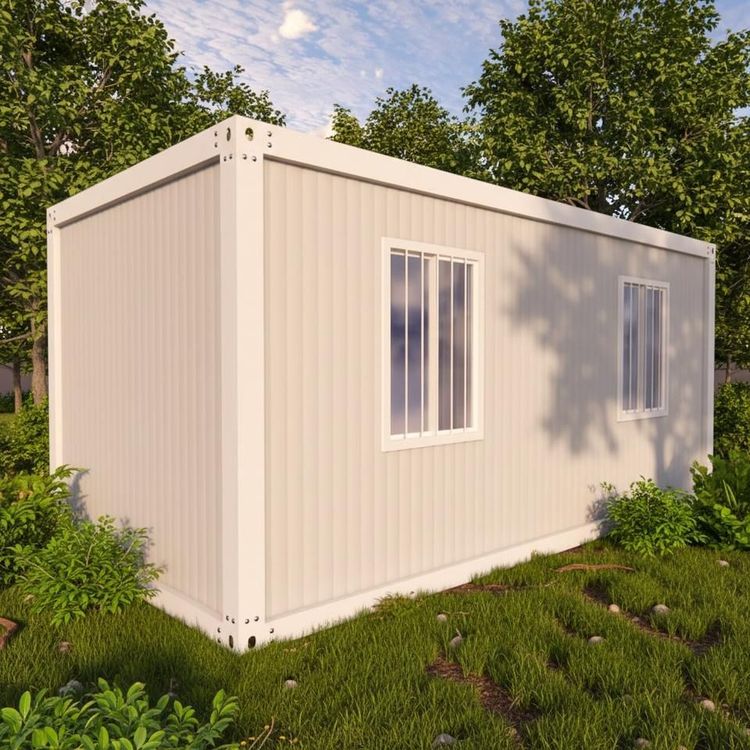
Tianshui Scenic Area Mobile Toilet Installation
The installation of mobile toilets in Tianshui scenic area requires a step-by-step approach that combines modular design, terrain adaptation, structural stability, system integration, and environmental protection technologies for efficient deployment. The specific installation points are as follows:

1. Modular Design and On-site Assembly
The main body of the mobile toilet adopts a modular structure, including independent modules such as toilet compartments, fecal treatment units, and water supply and sewage pipeline frames. These modules are prefabricated and undergo basic assembly testing in the factory before being disassembled into units suitable for highway transportation. Upon arrival at the scenic area, they are quickly assembled through standardized interfaces. This method reduces on-site construction time and minimizes damage to the natural environment, making it particularly suitable for ecologically sensitive areas.
2. Terrain-Adaptive Installation Solutions
- Mountainous Environments: For terrains with a slope difference of up to 15 degrees, a combination of spiral ground piles and adjustable brackets is used as foundation connectors. A multi-point anchoring system enables rapid leveling and fixation without the need for concrete foundation construction, thus avoiding damage to surface vegetation.
- Complex Terrain Adjustments: If transportation is restricted (e.g., beside footpaths), the roof, walls, and base can be further disassembled into smaller units. These are then connected flexibly to adapt to narrow or irregular terrains, ensuring installation feasibility.
3. Structural Stability and Wind Resistance Design
The structural frame is made of aluminum alloy profiles and stainless steel fasteners, with surfaces treated by anodizing and passivation to enhance resistance to ultraviolet degradation and moisture corrosion. The overall wind resistance meets the standard for eight-level wind forces, ensuring stable operation in open scenic environments and withstanding extreme weather conditions such as strong winds.
4. System Integration and Functional Debugging
- Water and Electricity Systems: An integrated pressurized flushing system (consuming 2.1-2.5 liters per flush), a vacuum-retaining fecal collection tank (made of high-density polyethylene with anti-splash baffles and drainage slopes), and a dual-mode power supply system combining photovoltaic panels and gel batteries (automatically switching to the municipal grid on cloudy or rainy days) ensure functional sustainability.
- Smart Monitoring: Sensors are installed in each toilet compartment to collect real-time data on usage frequency, water tank levels, and battery voltage. This data is transmitted via narrowband IoT to the scenic area management center, enabling predictive maintenance and rapid fault response (average time for replacing functional units ≤ 30 minutes).
5. Environmental Protection and Resource Recycling
Waste treatment follows a two-stage process: initial sedimentation and acidification in the collection tank, with the addition of microbial agents to decompose cellulose, followed by connection to the scenic area's biological treatment station. Here, the upflow anaerobic sludge blanket process converts organic matter, with the final effluent meeting agricultural irrigation standards. This achieves internal water resource recycling and reduces environmental pollution.
Through the integration of these technologies, mobile toilets can be rapidly deployed as efficient and environmentally friendly sanitation facilities without altering the scenic area's landscape, effectively balancing the environmental pressure caused by temporary crowd gatherings.