
Tianshui Garden Mobile Toilet
The Tianshui Garden Mobile Toilet is a mobile sanitation facility specifically designed for environmentally sensitive areas such as garden scenic spots and ecological protection zones. Its core function is to achieve waste recycling through ecological treatment technologies while also considering flexible deployment and landscape integration needs.
1. Ecological Treatment Technologies: Achieving Waste Resource Utilization
The key advantage of the Tianshui Garden Mobile Toilet lies in its adoption of ecological treatment technologies, reducing reliance on municipal sewage networks. For example, through aerobic composting technology, microorganisms decompose organic matter in excreta, converting it into harmless humus that can be reused as garden fertilizer. Alternatively, anaerobic fermentation processes can transform waste into biogas for toilet lighting or heating. Some designs also incorporate artificial wetland plant purification systems, utilizing root absorption and microbial degradation to purify wastewater. These technologies not only reduce pollution risks but also achieve material recycling, meeting the ecological protection needs of gardens.
2. Modular Structure: Supporting Rapid Deployment and Relocation
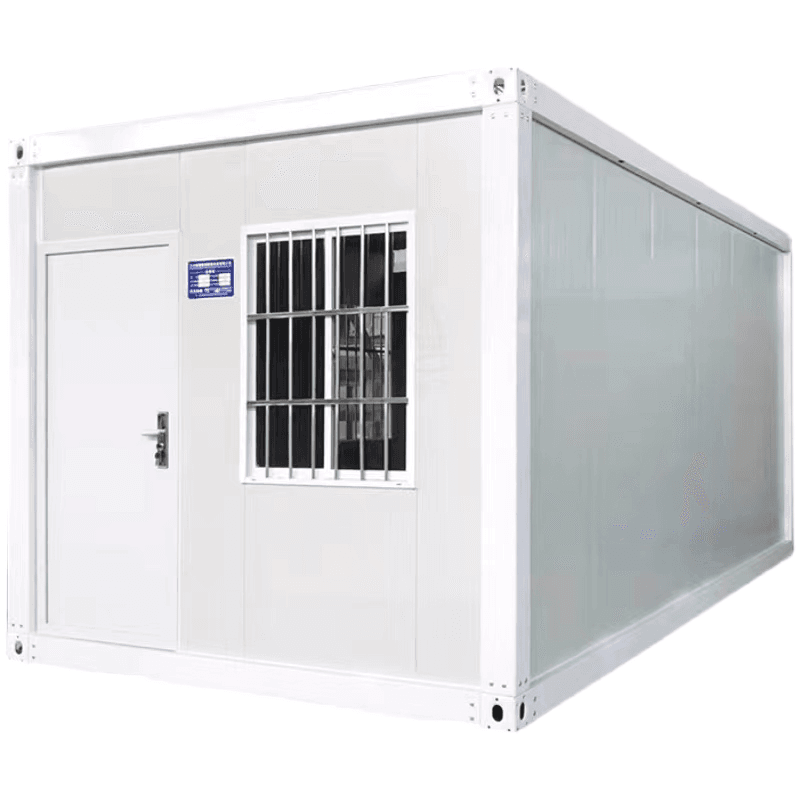
The toilet body is constructed using a metal frame and composite panels, integrating sanitary fixtures, ventilation, lighting, and water supply and drainage systems into standardized modules. This design eliminates the need for on-site foundation construction, allowing transportation to target locations via heavy-duty trucks and installation using lifting equipment or hydraulic legs. The modular structure also supports independent use of single toilets or combination of multiple toilets. For instance, during peak tourist seasons or temporary events, the number of toilet stalls can be quickly expanded to meet high foot traffic demands, and then disassembled and relocated after the event to avoid resource idleness.
3. Scene Adaptability: Balancing Functionality and Landscape Harmony
Given the unique characteristics of garden settings, the Tianshui Garden Mobile Toilet typically emphasizes the following design aspects:
- Environmental Adaptability: In cold regions, insulation layers are added to prevent pipe freezing; in water-scarce areas, waterless/micro-water consumption technologies such as foam sealing or vacuum suction are employed to reduce water consumption.
- Landscape Integration: The exterior features natural materials like wood grain or stone, or is designed in the style of garden pavilions or trellises, harmonizing with the surrounding environment and avoiding a jarring appearance.
- Sustainable Energy: Some products are equipped with solar power systems to provide energy for lighting and ventilation; rainwater collection devices are used for flushing or green irrigation, further reducing environmental impact.
4. Maintenance and Management Requirements: Ensuring Long-Term Stable Operation
The ecological treatment system requires regular maintenance to maintain efficiency:
- Microbial Inoculum Replenishment: Aerobic composting requires periodic addition of microbial strains to sustain decomposition efficiency;
- Humus Removal: Humus must be regularly cleared to prevent accumulation from affecting treatment capacity;
- Plant Unit Maintenance: Plants in artificial wetlands need pruning and replacement to ensure purification effectiveness;
- System Parameter Monitoring: Sensors monitor indicators such as temperature, humidity, and pH value, allowing timely adjustments to operating conditions.
The Tianshui Garden Mobile Toilet provides a sanitation solution for garden scenic spots that balances environmental protection, convenience, and aesthetics through a decentralized, small-scale ecological recycling model, representing an important innovation in sustainable tourism infrastructure.



