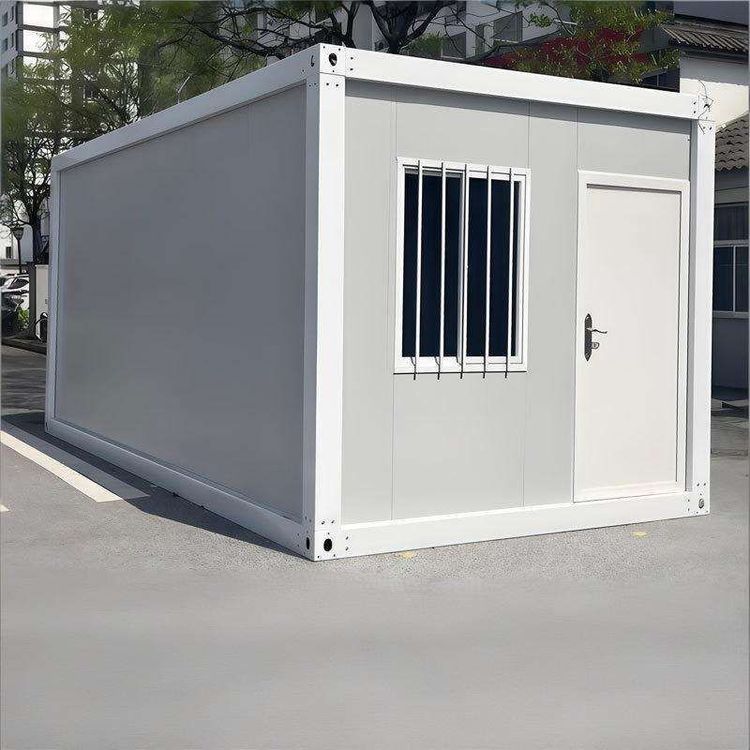
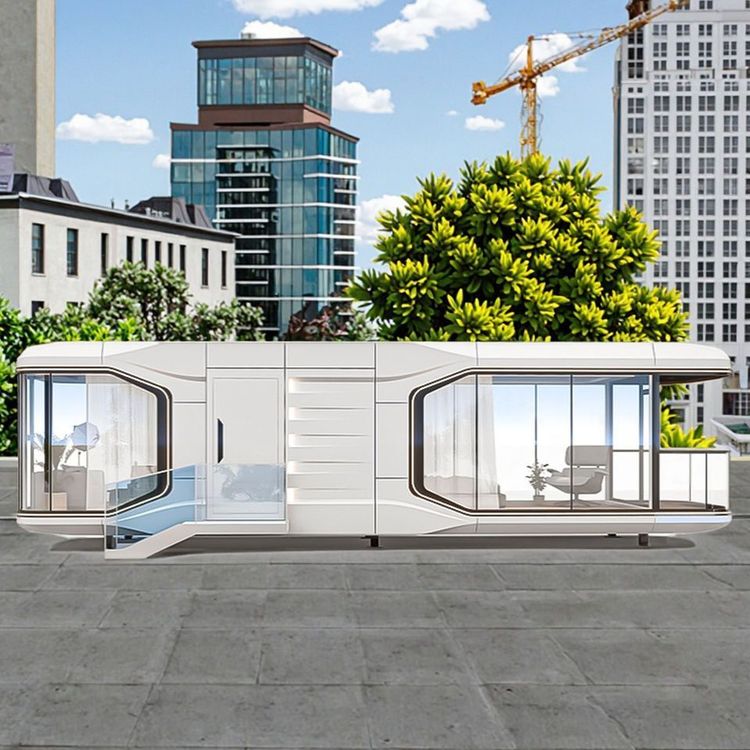
Tianjin Trailer-mounted Mobile Toilet
The Tianjin trailer-mounted mobile toilet is a movable temporary sanitation facility suitable for construction sites, large gatherings, and other scenarios, featuring flexible deployment and rapid removal.
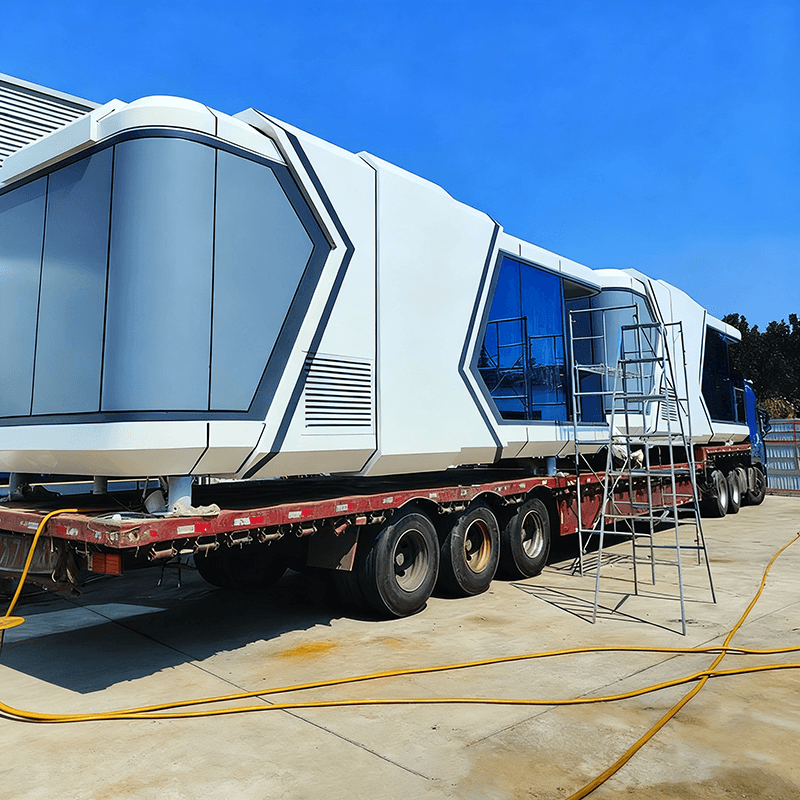
Core Structure and Working Principle
The basic structure of the Tianjin trailer-mounted mobile toilet consists of a water tank, a sewage tank, a flushing system, and a carriage body. The water tank typically has a capacity of 200-500 liters and supplies water to the toilet through gravity or an electric pump. The sewage tank, located beneath the toilet seat, has a capacity matching that of the water tank and is used to collect waste. The flushing methods include vacuum and direct flushing: the vacuum type uses air pressure differences to reduce water consumption (0.5-1 liters per flush), while the direct flushing type consumes more water (3-6 liters per flush) but offers higher reliability. During winter use, some units are equipped with electric heating insulation layers to prevent freezing of the water tank and pipes.
Material and Durability
The carriage body materials include polyethylene, fiberglass, and metal composite panels. Polyethylene is integrally molded, corrosion-resistant, and lightweight, but has weak impact resistance. Fiberglass offers high strength but is heavier, increasing transportation costs. Metal composite panels are filled with insulation layers internally, suitable for extreme temperatures, but their welding points are prone to rust. The chassis structure should use hot-dip galvanized steel frames, as ordinary carbon steel frames may rust within six months in humid environments, leading to toilet tilting or displacement.
Service Process and Maintenance
During transportation, confirm whether the vehicle is equipped with a hydraulic tailboard to avoid damaging the toilet bottom during unloading. During installation, lay anti-slip mats or steel plates to prevent sinking. The frequency of daily maintenance is calculated based on the number of users: for every 50 users, the sewage tank should be emptied once a week; for every 100 users, it should be emptied every three days. The contract should specify the response time for sudden failures, such as on-site repairs within 24 hours.
Waste Disposal and Compliance
Reputable service providers will transport waste to designated sewage treatment plants and issue disposal documents. Before signing the contract, require the service provider to provide a copy of the Road Transport Business License and a cooperation agreement with the sewage treatment plant to avoid users bearing joint liability for illegal dumping (such as direct discharge into municipal sewers or wasteland).
Equipment Adaptability
Different scenarios require different specifications: for construction sites with mainly male workers, a mixed-type toilet with 60% urinals can be selected. For large gatherings, barrier-free toilet seats (with an internal width of no less than 80 centimeters and equipped with handrails) should be added. Companies such as Tianjin Dayuan Technology Development Co., Ltd. provide design, production, installation, sales, and leasing services.