Tianchang Livable Container House
Container houses can be inhabited for a long time, but they need to meet conditions such as structural safety, comfort, and maintenance. Their service life can usually reach more than 25 years, and reasonable maintenance can further extend it.

I. Structural Safety Meets Long-Term Residential Needs
Container houses are based on the transformation of shipping containers. Their steel frames and weather-resistant shells have undergone anti-rust, fireproof, and heat-insulation treatments, with structural strength far exceeding that of ordinary buildings. After professional reinforcement, they can withstand natural disasters such as typhoons and earthquakes, and have been widely used in scenarios such as construction sites and post-disaster reconstruction. The modular design allows for flexible combinations, enabling the realization of single-story houses to multi-story buildings, and the structural stability has been proven reliable through practice.
II. Comfort and Functionality Require Targeted Renovations
- Heat Insulation and Ventilation: Metal materials are prone to heat conduction, so it is necessary to improve the thermal environment by adding heat-insulation layers (such as rock wool and polyurethane) and installing air conditioners and ventilation systems. For example, in desert or extremely cold regions, double-layer heat-insulation structures are required.
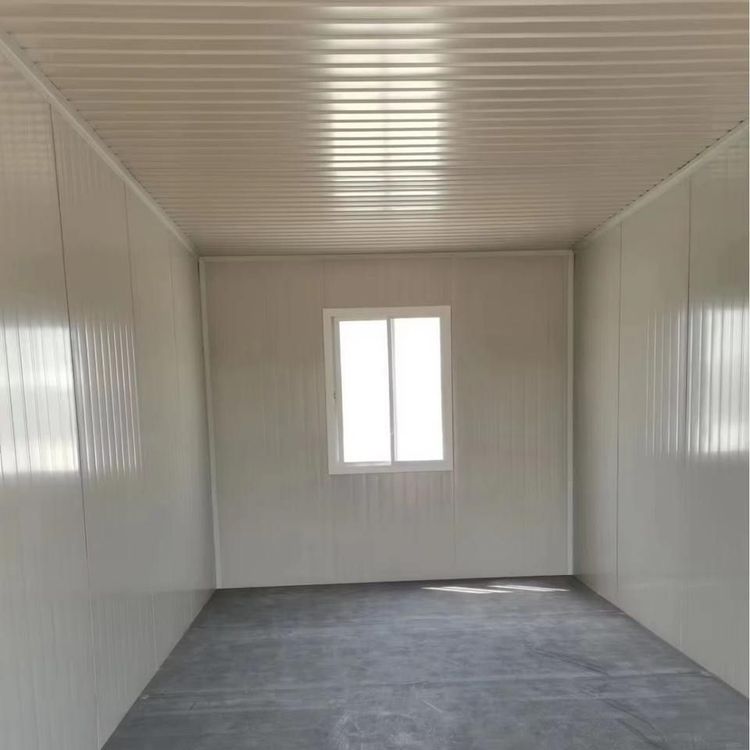
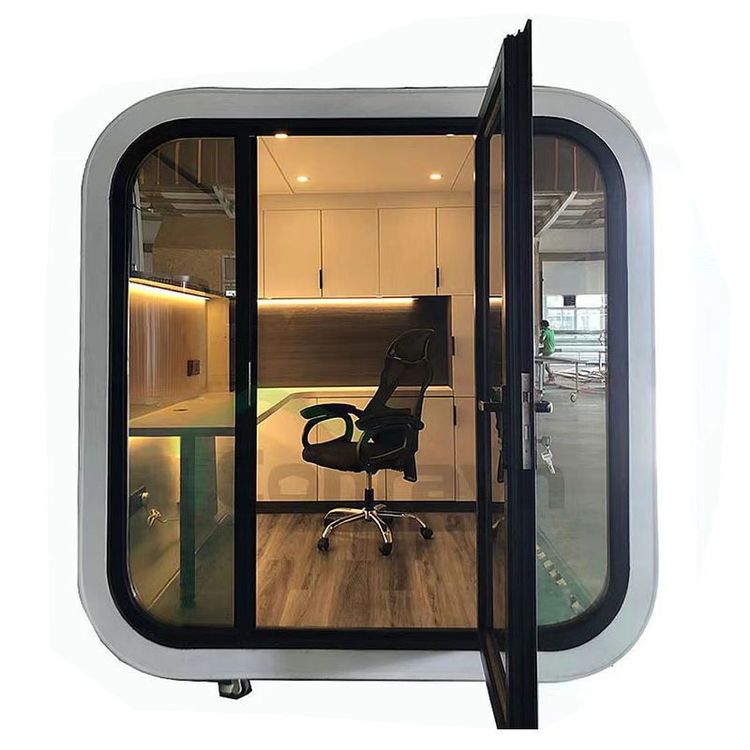
- Space Optimization: Containers have a limited width (usually 2.4-3 meters), so it is necessary to enhance the sense of space through multi-functional furniture, open layouts, and large-area glass windows. Some designs adopt foldable or expandable structures to increase the usable area.
- Water and Electricity Facilities: They can be equipped with complete water and electricity pipeline systems and support sustainable technologies such as solar panels and rainwater collection. For example, some container houses in Australia achieve energy self-sufficiency through photovoltaic panels.
III. Service Life is Affected by Both Materials and the Environment
- Material Durability: The main body of the container is made of corrosion-resistant steel, with a designed service life of more than 25 years. Regular anti-rust treatments (such as spraying zinc powder paint) and coating maintenance can extend it to 50 years.
- Environmental Adaptability: In humid or high-salt areas (such as coastal regions), anti-corrosion measures need to be strengthened, for example, by using stainless steel components or cathodic protection technology. The maintenance cost in inland dry areas is significantly reduced.
- Maintenance Cycle: It is recommended to inspect the external coating every 2-3 years, update the heat-insulation materials every 5 years, and overhaul the water and electricity systems once a year. Well-maintained container houses have been in use for more than 40 years in countries such as Germany and Japan.
IV. Significant Cost-Effectiveness Advantages
Compared with traditional houses, the construction cost of container houses is reduced by 30%-50%, especially suitable for scenarios with tight land resources or temporary needs. Their mobility reduces demolition losses, and the modular design shortens the construction period (usually 7-15 days), further reducing the overall cost.