How Thick Are the Floors of Mobile Toilets
The thickness of mobile toilet floors varies depending on the type and design, commonly ranging from 2.0mm to 3.0mm, with some custom designs potentially being thicker or thinner.

Thickness of Container Toilet Floors
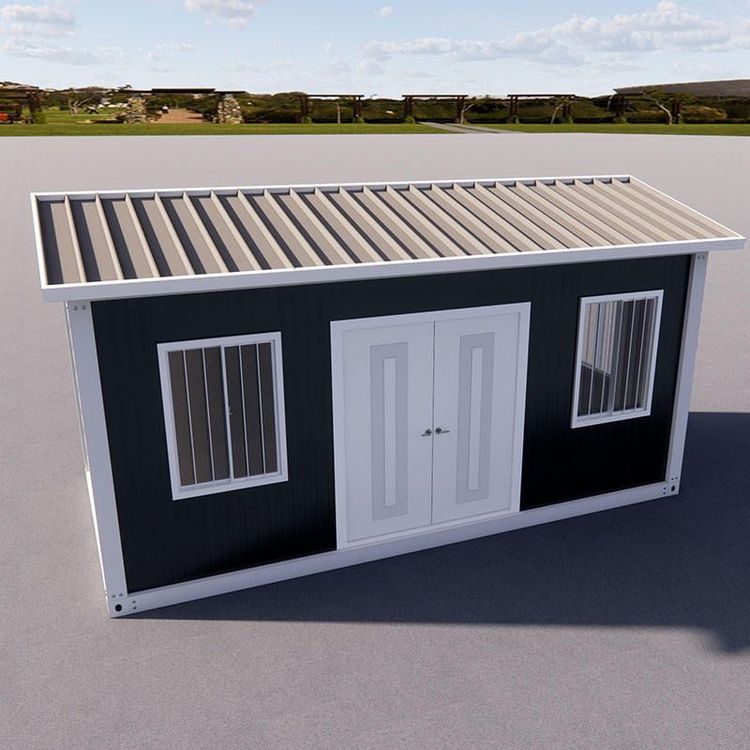
Container toilets are a relatively common type of mobile toilet, and their floors are typically made of non-slip patterned aluminum plates or fiberglass-reinforced plastic (FRP) floors. According to design specifications, the standard thickness of these floors is 2.0mm to 3.0mm. The non-slip patterned aluminum plates enhance friction through surface embossing to prevent slipping, while aluminum is lightweight and corrosion-resistant, making it suitable for long-term outdoor use. Fiberglass floors are characterized by high strength, acid and alkali resistance, and ease of cleaning, with thickness also falling within this range. The choice between these two materials is primarily based on durability and maintenance convenience, with thickness design balancing structural strength and cost control.
Thickness of Double-Row Mobile Toilets (Direct Discharge Type) Floors
The floor materials of double-row mobile toilets (direct discharge type) are more diverse, including non-slip aluminum plates, stainless steel, patterned aluminum plates, or concrete hard floors. However, the specific thickness of these floors is not explicitly mentioned in the reference information. It is speculated that their design may focus more on functionality rather than standardized thickness:
- Non-slip aluminum plates/stainless steel: If similar materials to those used in container toilets are employed, the thickness may be close to 2.0mm to 3.0mm, but adjustments may be needed based on load-bearing requirements;
- Patterned aluminum plates: Custom models may enhance non-slip performance by increasing embossing depth or plate thickness (e.g., exceeding 3.0mm);
- Concrete hard floors: The thickness may increase significantly and needs to be calculated based on structural stability, typically used in scenarios with extremely high load-bearing requirements, although such designs are relatively rare in mobile toilets.
Factors Influencing Thickness Differences
The choice of mobile toilet floor thickness is primarily influenced by the following factors:
- Material properties: Aluminum plates and fiberglass are lightweight but require a certain thickness to ensure strength, while concrete needs to be thicker to disperse pressure;
- Usage scenarios: Areas with high foot traffic or heavy equipment placement may use thicker floors;
- Mobility requirements: Excessively thick floors increase overall weight, affecting transportation and installation convenience, so a balance must be struck between durability and portability.
For precise data, it is recommended to contact the manufacturer for design parameters of specific models.