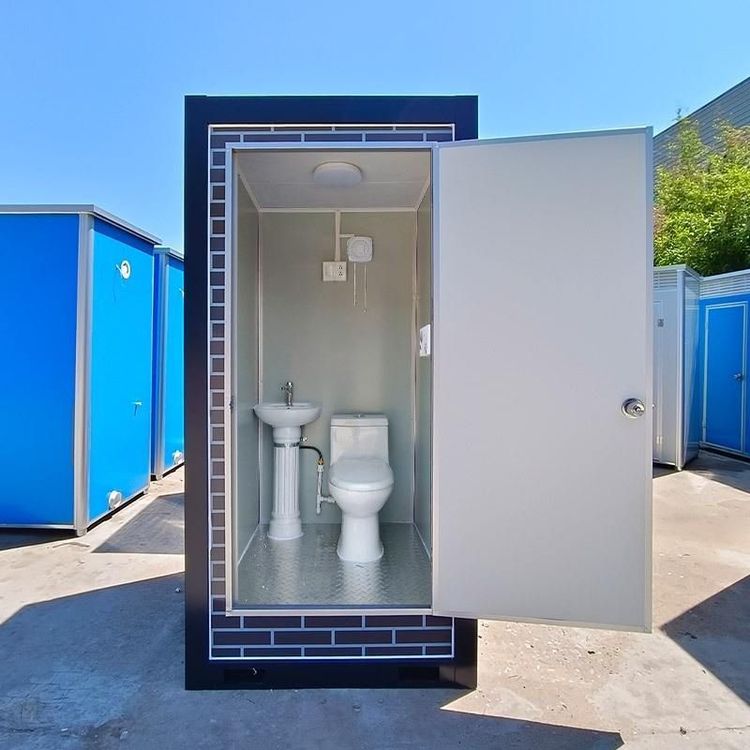
Are Outdoor Mobile Toilets Rainproof?
Outdoor mobile toilets generally possess a certain degree of rainproof capability, but maintenance is still necessary in extreme weather conditions to reduce the risk of water leakage.

From a design perspective, mobile toilets produced by reputable manufacturers fully consider rainproof requirements. For example, they employ waterproof treatments in the manufacturing process, with the main frame often constructed from metal or high-strength plastic materials that inherently possess waterproof properties. At connection points, sealant is used for waterproofing to prevent rainwater from seeping in through gaps. Additionally, the roof is designed with rain eaves to effectively block rainwater from directly entering the toilet interior. Some mobile toilets utilize thickened eco-friendly resin materials and apply sealant strips at connections, further enhancing waterproofing effects, and are equipped with dedicated drainage systems to ensure timely rainwater discharge.
The choice of outer shell material is also crucial. Corrosion-resistant and impact-resistant high-quality steel and fiberglass are common outer shell materials, with sufficient thickness to withstand heavy rain. Windows and doors are sealed with sealant strips to prevent rainwater leakage into the toilet interior during heavy rain, ensuring a dry internal environment.
However, outdoor mobile toilets may not be completely rainproof in all situations. Under extreme weather conditions, water leakage may occur. For instance, clogged drainage outlets can prevent rainwater from discharging properly, leading to accumulation inside the toilet; aged sealant can reduce its waterproofing performance, allowing rainwater to easily penetrate; poorly sealed doors can also provide an opportunity for rainwater to enter; when the rainfall from extreme heavy rain exceeds the drainage capacity of the system, water accumulation or even leakage may occur.
To reduce the likelihood of water leakage on rainy days, regular maintenance is essential. It is necessary to periodically inspect the drainage system to ensure it is unobstructed; promptly clear debris from drainage outlets to prevent clogging; and replace aged components such as sealant and sealant strips in a timely manner to maintain their good waterproofing performance. Through these maintenance measures, the rainproof capability of outdoor mobile toilets can be effectively improved, providing users with a more comfortable and dry usage environment.