Back to blog
Article
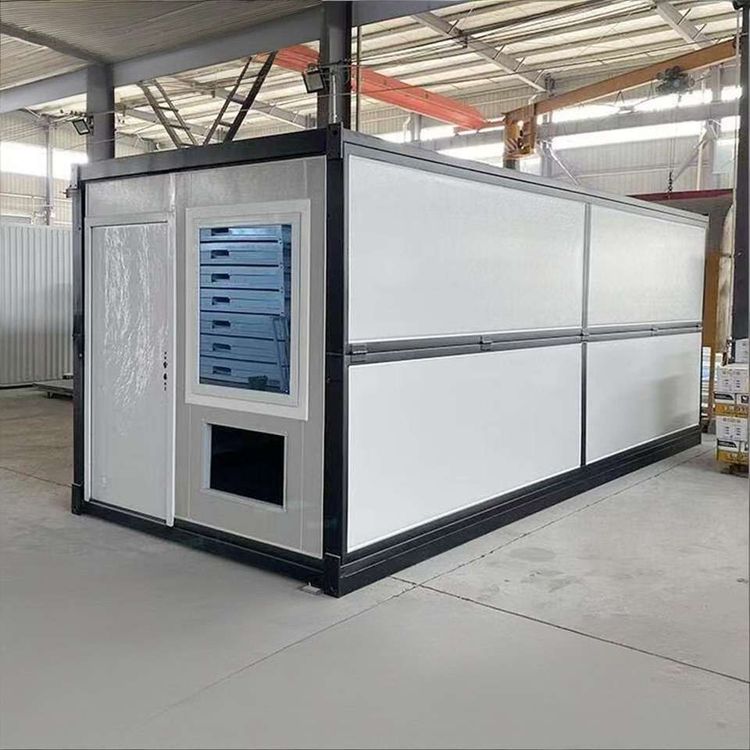
Thickened Insulated Container House
Admin September 15, 2026
The key features of thickened insulated container houses include multi-layer structural design, the application of efficient insulation materials, structural optimization, and enhanced sealing. Here is a detailed analysis:
1. Multi-layer Structure and Insulation Layer Design
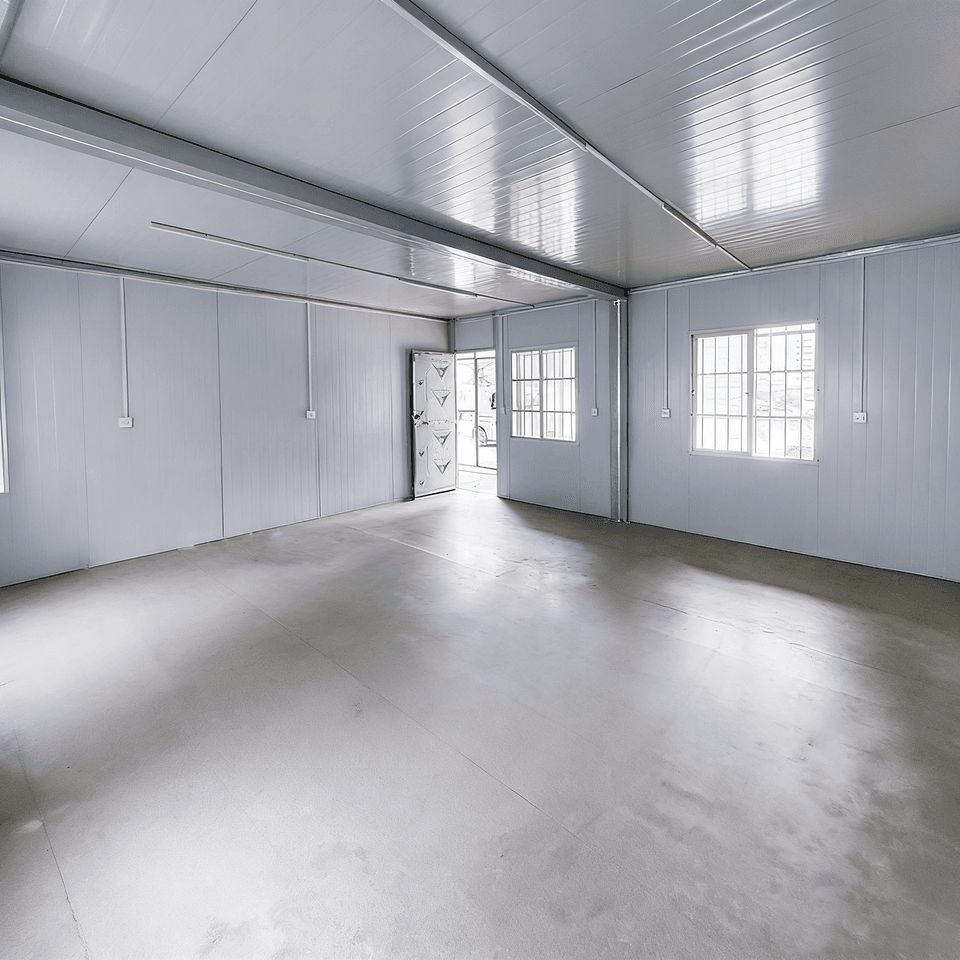
Thickened insulated container houses generally adopt a three-layer structure:
- Outer Layer: Typically made of 0.6-millimeter-thick galvanized steel sheet, which is resistant to wind and sand erosion and corrosion, making it suitable for harsh outdoor environments.
- Middle Layer: Filled with 80 to 100-millimeter-thick rock wool as the main insulation layer. Rock wool has a low thermal conductivity, effectively blocking heat transfer and reducing indoor temperature fluctuations by about 40% compared to traditional color-steel plate houses.
- Inner Layer: Uses PVC-coated steel sheet, which reduces thermal radiation and enhances indoor comfort.
Some companies also add an elevated layer at the bottom of the container to block ground cold bridge conduction and further reduce heat loss.
2. Structural Optimization and Enhanced Sealing
- Sealing Treatment: Window and door sealing strips and joints require airtight treatment; otherwise, local condensation may occur. For example, Qingdao Jiecheng Hongye's refrigerated containers undergo strict technical inspections to ensure sealing performance meets standards.
- Modular Design: Some products support disassembly and easy assembly, such as the stainless steel mobile guard booths from Foshan source manufacturers, which are produced using standardized modular methods for quick deployment and reuse.
- Wind and Earthquake Resistance: Steel structural frames and reinforcement designs (such as corner piece strengthening) enhance overall stability and adapt to different climatic conditions.
3. Power Adaptability and Rapid Deployment Capability
- Power Adaptability: For cold chain logistics or temporary warehousing scenarios, equipment needs to support 380-volt three-phase power for "plug-and-play" functionality. For example, Qingdao Jiecheng Hongye's products undergo power-on tests before leaving the factory, allowing users to start using them immediately upon connection.
- Spot Inventory and Inspection Process: Large-scale manufacturers (such as those maintaining a constant inventory of five to six hundred units) reduce equipment failure risks and shorten delivery cycles through a full-process technical inspection mechanism.
4. Customization and Durability
- Customization on Demand: Some companies offer size and function customization services, such as Jingning insulated container houses, which can be modified for office, accommodation, or commercial purposes according to needs.
- Material Durability: Fire-resistant, moisture-proof, and corrosion-resistant materials (such as stainless steel and rock wool boards) are used to extend service life. For example, products from Zhejiang Xiaoya Prefabricated Buildings are certified by the ISO9001 quality system and support multiple uses.
Related