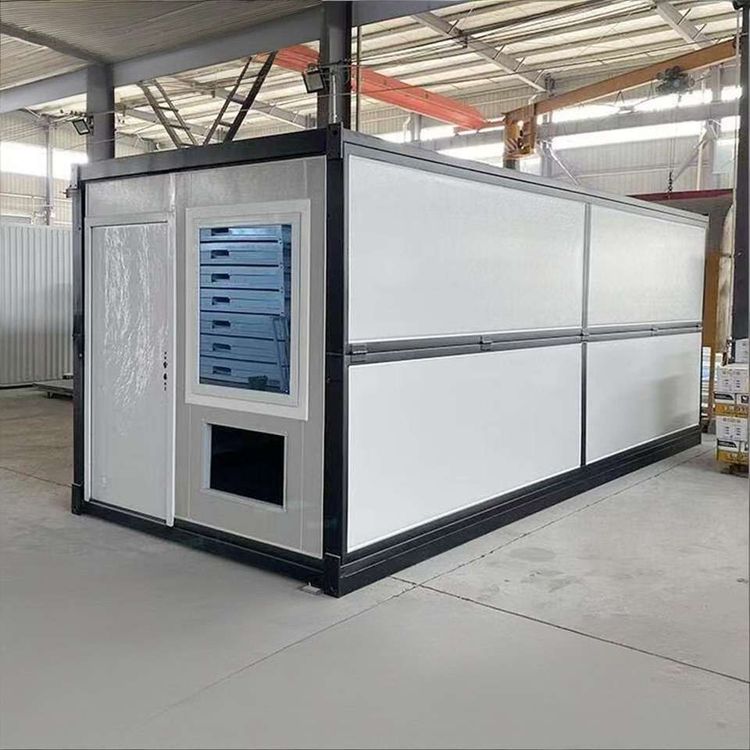
Portable Toilet Rendering: What to Know Before You Buy
Before purchasing a portable toilet, it is essential to consider aspects such as type and structure, applicable scenarios, component functions, customization options, durability, after-sales support, and transportation and installation.

1. Types and Structures
Portable toilets can be categorized by material (e.g., plastic, color-coated steel), structure (e.g., single-unit, composite), and mobility method (e.g., hoisting and handling, powered towing). Different types are suitable for different scenarios; for example, hoisting types are ideal for long-term fixed positions, while powered towing types facilitate frequent relocation. Choose a type that matches your usage frequency and site conditions.
2. Applicability to Scenarios
Portable toilets are suitable for both fixed and temporary locations, such as stations, docks, scenic spots, construction sites, and squares. Select specifications based on target scenario factors like foot traffic, duration of use, and environmental conditions (e.g., climate, terrain). For instance, high-traffic scenic spots require models with large capacity and efficient waste disposal, while temporary construction sites may prioritize lightweight and easily transportable options.
3. Component and Function Configuration
Basic components include waste storage tanks, floors, sanitary fixtures, walls, water tanks, roofs, and mobility devices. Premium models (e.g., Onlywe portable toilet trailers) come with additional features like ventilation systems, complete water circulation, and high-load-bearing structures. Choose functions based on actual needs; for example, areas without a water source require models with built-in water tanks, while cold regions should focus on insulation performance.
4. Customization Options
Most suppliers offer customization services for color, size, internal layout, and material finishes. For example, the Onlywe model supports customization of trailer color, internal space division, and wood tone adjustments. If matching a specific environmental style or functional requirement (e.g., accessibility features) is necessary, confirm customization feasibility with the supplier in advance.
5. Durability and Quality
Prioritize products made from high-strength materials (e.g., corrosion-resistant plastics, reinforced steel structures) to ensure wear and aging resistance. For example, the Onlywe model enhances thermal insulation and structural strength through material optimization, making it suitable for long-term outdoor use. Verify quality by checking material test reports or user case studies.
6. After-Sales and Warranty Policies
Clarify the warranty period (e.g., Onlywe offers a 1-year warranty) and service content (e.g., online support, part replacements) provided by the supplier. Ensure warranty terms cover core components (e.g., water tanks, waste disposal systems) and confirm after-sales response times to avoid excessive maintenance costs later.
7. Transportation and Installation Convenience
Choose compact, modular-designed models to reduce transportation difficulty. For example, towable portable toilets can be directly towed by vehicles, making them suitable for cross-regional use; single-unit models require assessment of handling equipment (e.g., forklifts) availability. For installation, confirm whether professional teams are needed or if simple operation guides are provided.