Thermal Insulation Sheets for Container Houses
Common thermal insulation materials for container houses include polyurethane foam layers, rock wool boards, polystyrene foam, phenolic insulation boards, and aluminum foil reflective layers, among others. Here is a detailed introduction:
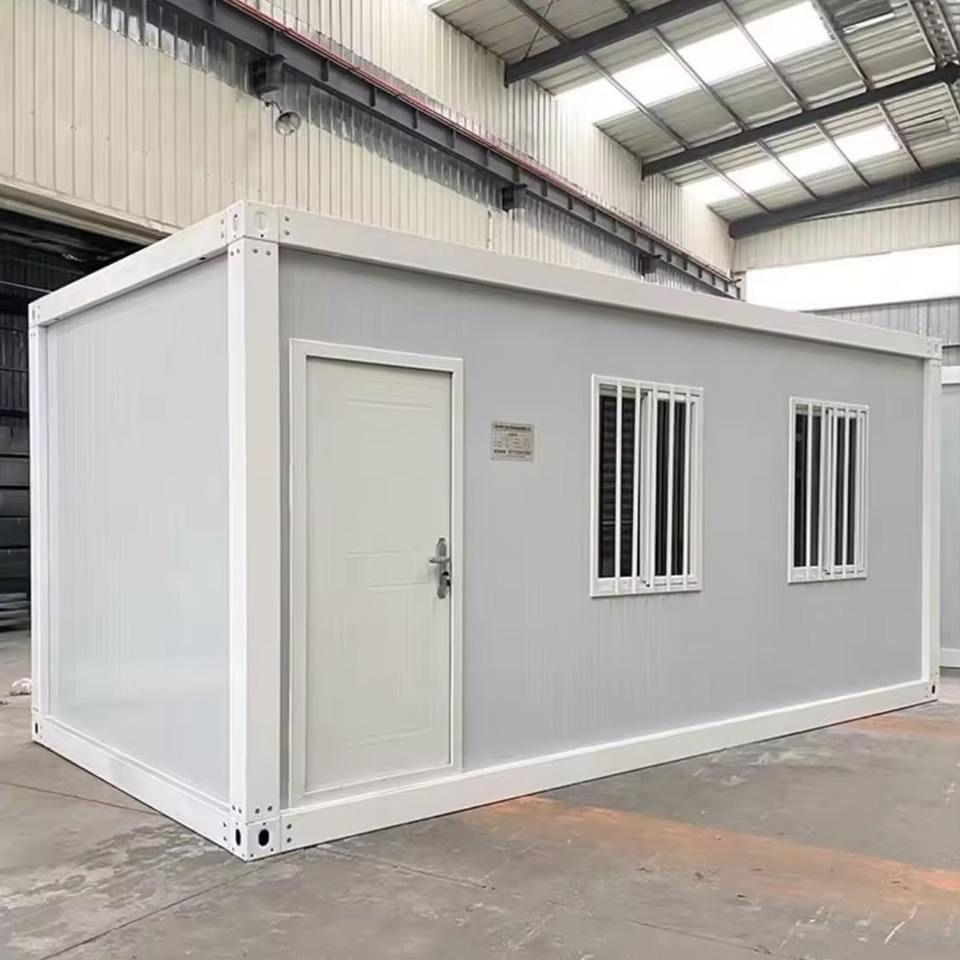
Polyurethane Foam Layer: It is the core material for thermal insulation in container houses. A polyurethane foam layer with a thickness of over 50mm in the middle can effectively block heat conduction, with its insulation efficiency being 1.8 times that of traditional brick-and-concrete walls. Measured data shows that in summer, the temperature rise inside the cabin at noon is 22 minutes slower than that outside, and in winter, with the cabin closed for 8 hours, the indoor temperature only drops by 1.3℃, resulting in a more stable perceived temperature.
Rock Wool Board: It has Class A fire resistance and a low thermal conductivity coefficient, effectively blocking heat transfer. For example, rock wool sandwich panels with a thickness of 5cm-10cm are commonly used as partition walls in mobile homes, meeting fire safety requirements while enhancing insulation effects.
Polystyrene Foam: It is processed into a new type of building material by compounding black steel plates with polystyrene foam, featuring high thermal insulation performance and suitable for the construction of walls or roofs of container houses.
Phenolic Insulation Board: Such as color-steel-cored phenolic insulation boards, they possess fire-resistant and high-temperature-resistant properties and are commonly used as filler for the cores of mobile home panels, meeting both thermal insulation and safety requirements simultaneously.
Aluminum Foil Reflective Layer: Some container houses use sandwich panels with an aluminum foil reflective layer to reduce heat absorption by reflecting sunlight. Combined with adjustable sunshade roofs and bottom ventilation slots, they can significantly lower indoor temperatures. For example, after using such materials, a café in Mogan Mountain remained comfortable indoors without air conditioning in the afternoon.
In addition, optimizing design details can further enhance thermal insulation effects, such as using double- or triple-glazed windows and doors to reduce heat leakage, applying sealing materials at joints to prevent thermal bridges, or adding temperature control devices like graphene floor heating and air conditioners to assist in regulating indoor temperatures.