
Thermal Insulation Container House Diagram
Thermal insulation container houses typically combine the sturdy structure of containers with efficient thermal insulation materials, forming an economical and practical architectural form. Here is a detailed introduction to thermal insulation container houses:
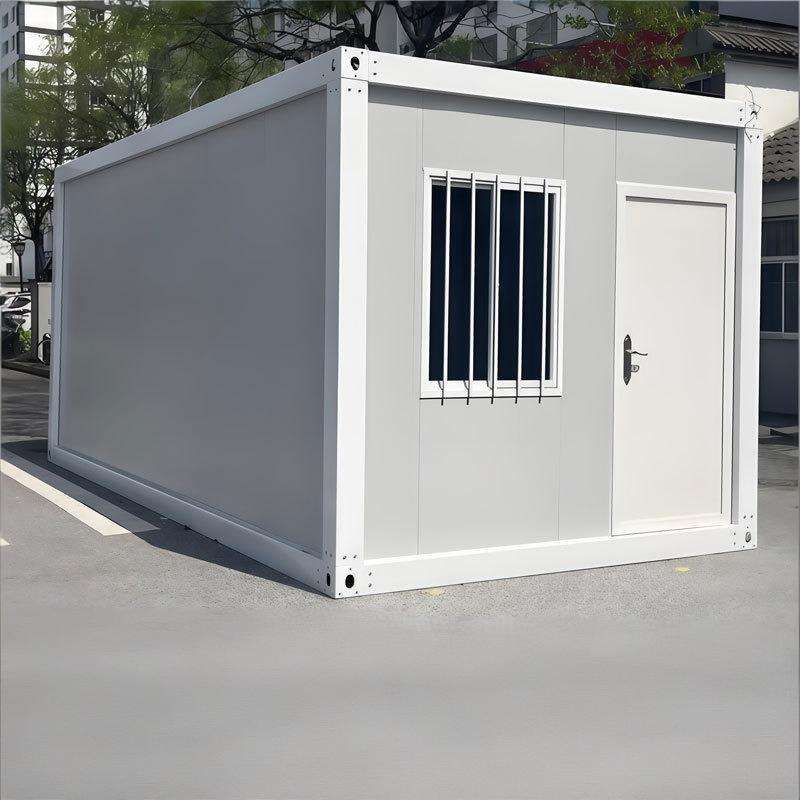
Structural Features: Thermal insulation container houses are based on standard containers and are modified and reinforced through welding, bolt connections, etc. Their structures are sturdy and durable, capable of withstanding significant loads and harsh natural environments. Meanwhile, the modular design of containers allows for easy combination and expansion of the houses to meet the needs of different scales and functions.
Thermal Insulation Materials: To enhance the thermal insulation performance of the houses, efficient thermal insulation materials such as polystyrene foam boards and rock wool boards are usually filled between the inner and outer walls of the containers. These materials have good thermal insulation effects, effectively reducing heat transfer and maintaining stable indoor temperatures. Additionally, thermal insulation coatings can be applied or thermal insulation layers can be installed on the exterior surfaces of the houses to further improve thermal insulation performance.
Ventilation and Lighting: Thermal insulation container houses are designed with full consideration of ventilation and lighting requirements. By setting reasonable positions and sizes of doors and windows and installing ventilation equipment, fresh indoor air circulation can be ensured. At the same time, large glass windows or skylight designs can increase indoor lighting levels and improve living comfort.
Application Scenarios: Due to their unique advantages, thermal insulation container houses are widely used in various scenarios. For example, they can serve as temporary housing, construction site dormitories, commercial street shops, offices, etc. In remote areas or places with inconvenient transportation, the rapid construction and mobility of container houses play a significant role.



