
Previous Prefabricated Panel Houses
Previous prefabricated panel houses were structures primarily built using prefabricated panels, characterized by a specific historical background, construction features, and existing issues. They have gradually been replaced and are subject to policy restrictions.
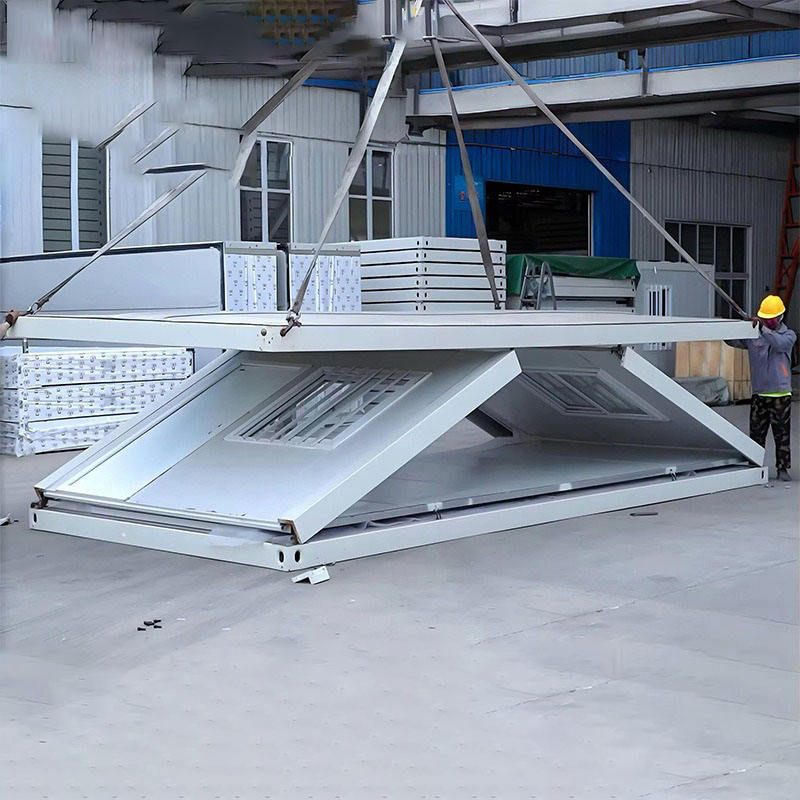
Historical Background and Construction Features: Prefabricated panel houses originated in the early 20th century, with many residential buildings constructed in China before 1985 adopting this structure. The core component, the prefabricated panel, is a factory-made cement element. It is created by nailing wooden molds, arranging steel bars, and pouring cement, and comes in two types: solid and hollow. The hollow structure achieves lightweighting by reducing the non-load-bearing concrete. The construction method resembles building with "building blocks," where pre-made cement panels are assembled and connected, offering fast construction speed and low construction costs. This approach was a key solution for alleviating housing pressure and became an iconic architectural symbol of the era.
Existing Issues:
- Weak Earthquake Resistance: The overall integrity is poor, and during earthquakes, the floor slabs and walls are prone to instant separation, leading to severe collapses and high casualty rates.
- Poor Sound and Thermal Insulation: These houses are cold in winter and hot in summer, with poor ventilation, making it difficult to ensure privacy between neighbors.
- Short Service Life: The designed lifespan is typically only around 40 years. Nowadays, a large number of houses are "over-serving" their lifespan, showing issues such as peeling wall surfaces and wall cracks, with some already classified as dangerous buildings.
- Low Residential Comfort: The appearance is monotonous and uniform, with cramped internal spaces. The floor plan design lacks human-centric considerations, such as kitchens and bathrooms without windows and small living room areas.
Replacement and Policy Restrictions: With the development of construction technology, cast-in-place concrete and prefabricated buildings are gradually replacing traditional prefabricated panel houses. Since 2022, China has implemented renovation policies, focusing on repairing and renovating prefabricated panel houses, and only demolishing buildings that meet the criteria for dangerous structures. Some regions have already initiated demolition work. In 2023, relevant departments explicitly stipulated that within urban construction land areas, the construction, renovation, and expansion of prefabricated panel houses and other buildings that do not comply with safety standards are prohibited.



