
Dashi Eighteen Households Prefabricated Concrete Houses
No direct information was retrieved for 'Dashi Eighteen Households Prefabricated Concrete Houses', but prefabricated concrete houses generally have the following characteristics:
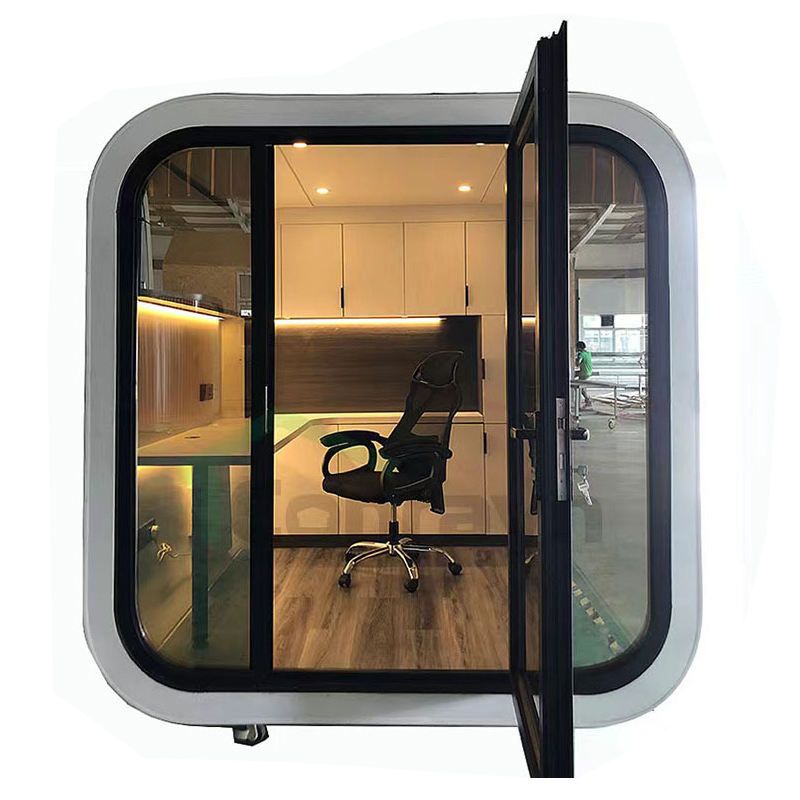
Prefabricated concrete houses typically refer to a form of construction where pre-fabricated components, such as floor slabs and walls, are assembled on-site. The core principle involves factory production of building components, which are then transported to the site for assembly, similar to building with 'building blocks'. This approach offers advantages such as short construction periods and low costs, making it particularly suitable for scenarios requiring high construction efficiency.
Some prefabricated concrete houses are cast in one piece using high-standard reinforced concrete, significantly enhancing their structural performance. For example, they possess multiple characteristics including earthquake resistance, fire resistance, and energy efficiency, with a designed service life of over 70 years. The earthquake resistance of these houses stems from the toughness of reinforced concrete, which can absorb seismic energy through deformation; fire resistance is due to the non-flammability of concrete, effectively blocking the spread of fire; and energy efficiency is achieved by optimizing wall thickness or adding insulation layers, reducing energy consumption.
Additionally, the flexibility of prefabricated concrete houses is a key advantage. Due to standardized production of components, the houses support overall relocation or secondary disassembly and reuse. This feature is particularly practical in temporary buildings, emergency shelters, or scenarios requiring layout adjustments, reducing construction waste and lowering the cost of repeated construction.
It should be noted that the service life of rural prefabricated concrete houses is influenced by multiple factors and has no unified standard. The specific lifespan depends on material quality (such as concrete strength and steel bar specifications), construction quality (such as the firmness of component connections), usage environment (such as climate and geological conditions), and maintenance (such as waterproofing and structural inspections). For example, in humid or corrosive environments, without proper protective measures, the house may experience premature aging; whereas regularly maintained houses may have an extended service life.
In summary, prefabricated concrete houses achieve a balance between efficiency, economy, and environmental protection through industrial production and modular assembly, but their performance and lifespan need to be comprehensively evaluated based on specific processes, materials, and usage conditions.



