
How Long Can Prefabricated Panel Houses Last?
The lifespan of prefabricated panel houses does not have a fixed duration. Theoretically, with proper maintenance, they can last over 30 years, even reaching 50 years or more, depending on construction quality, maintenance conditions, and environmental factors.
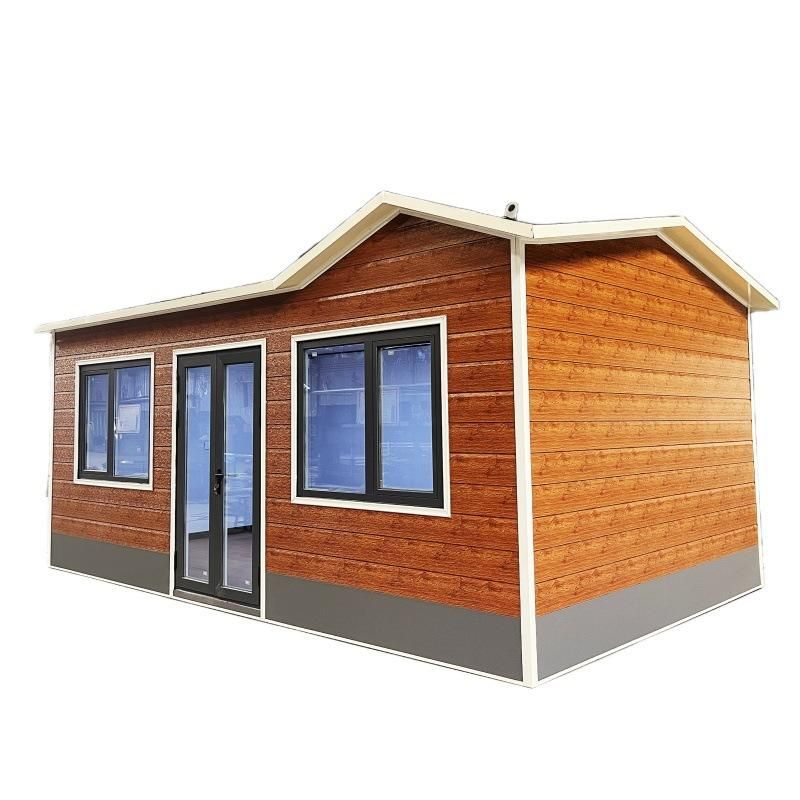
Origin and Limitations of the "30-Year Lifespan"
The notion of a "30-year lifespan" for prefabricated panel houses originated from reference periods used in early engineering designs. This period was a relatively conservative estimate made by engineers based on the material properties, construction techniques, and maintenance conditions of the time, combined with structural experience. It is not a mandatory retirement standard. With advancements in building technology and material upgrades, this claim has gradually lost its practical guiding significance.
Current Standards and Theoretical Lifespan
According to current building codes, the design service life of ordinary urban residential buildings is generally 50 years. This standard is based on a comprehensive consideration of structural safety, durability, and applicability, requiring that the building, under normal construction and regular maintenance, should not require major repairs within 50 years. If, after this period, professional inspections confirm the structural safety and necessary repairs and reinforcements are completed, the building can continue to be used.
Factors Determining Actual Lifespan
- Construction Quality: Early prefabricated panel houses with issues such as insufficient concrete strength, steel corrosion, or connection node defects can significantly shorten their lifespan. Conversely, houses built to standard specifications may have more stable main structures.
- Maintenance Conditions: Regular inspections for issues like roof waterproofing, wall cracks, and foundation settlement, along with timely repairs of leaks, corrosion, or aging components, can slow down the deterioration of the building. For example, a building over 40 years old remains structurally stable due to proper maintenance.
- Environmental Impact: Humid, corrosive gas, or earthquake-prone areas can accelerate material aging, while dry, mild environments are conducive to extending the lifespan. Some 20-year-old buildings have developed serious safety hazards due to prolonged exposure to harsh environments.
Conclusion
The lifespan of prefabricated panel houses must be judged based on specific conditions. "30 years" is merely a historical reference value, not an absolute limit. Through scientific construction, regular maintenance, and environmental improvements, buildings can fully reach or exceed their design service life. If significant structural issues arise, professional institutions should be commissioned to conduct inspections and assessments, rather than making decisions solely based on the lifespan.



