
Tent-style Mobile Toilet
A tent-style mobile toilet is a type of mobile toilet with a tent as its main structure, which can be flexibly assembled and disassembled. The following is a detailed introduction from the aspects of definition, application scenarios, product types, and upgrade features:
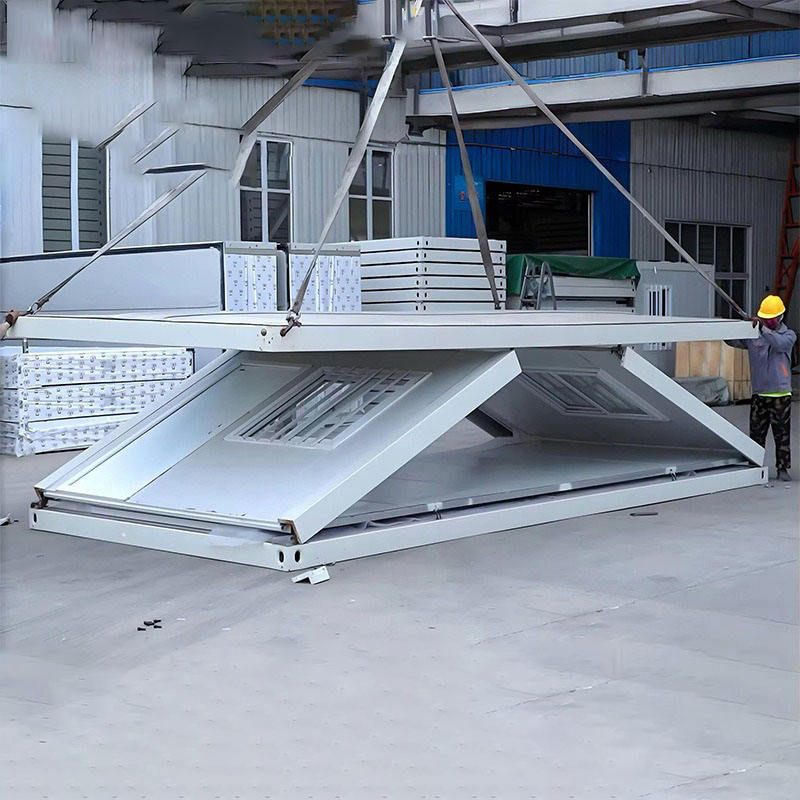
Definition and Basic Structure
The core of a tent-style mobile toilet is a tent structure. It usually uses lightweight and durable materials (such as high-strength fiber cloth or waterproof canvas) as the outer shell, paired with a foldable metal or plastic frame for support. This design enables it to be quickly assembled and disassembled, allowing for rapid deployment and retrieval within a short period, adapting to temporary or mobile needs.
Typical Application Scenarios
This type of toilet is commonly seen in large-scale events, emergency rescue operations, or outdoor settings. For example, during the commemoration of the 80th anniversary of the victory of the Chinese People's War of Resistance Against Japanese Aggression and the World Anti-Fascist War on September 3, 2025, tent-style toilets were set up in densely populated areas such as the east side of the Great Hall of the People and the west side of the National Museum in the Tiananmen area of Beijing. In such scenarios, their advantage lies in the ability to flexibly adjust positions according to the distribution of people, alleviating the pressure on public facilities. Additionally, in natural disaster relief efforts, tent-style toilets can be quickly erected at temporary settlement sites to meet the basic needs of affected people.
Product Type Expansion
In addition to standard tent-style toilets, there are also functionally refined variants on the market. For example, portable folding shower tents can be repurposed as mobile toilets through internal modifications, suitable for outdoor camping scenarios. Outdoor travel portable mobile toilet tents further optimize portability by using even lighter materials and being equipped with sealed doors and odor-control devices to enhance the user experience.
Upgrade and Transformation Features
Taking the Tiananmen area as an example, its tent-style temporary toilets have undergone functional upgrades: new barrier-free restrooms have been added to serve disabled individuals and those with mobility issues, reflecting human-centered design. By optimizing the ventilation system and using high-efficiency odor-control materials, privacy protection and odor management have been significantly improved. Some high-end models have also introduced intelligent monitoring systems to provide real-time feedback on usage status, facilitating maintenance and management. These improvements bring them closer to the user experience of fixed toilets while retaining the flexibility of mobile facilities.



