
Mobile Temporary Public Toilet
The mobile toilet in temporary public toilets is a facility that can be moved as a whole and provides toilet services to the public.
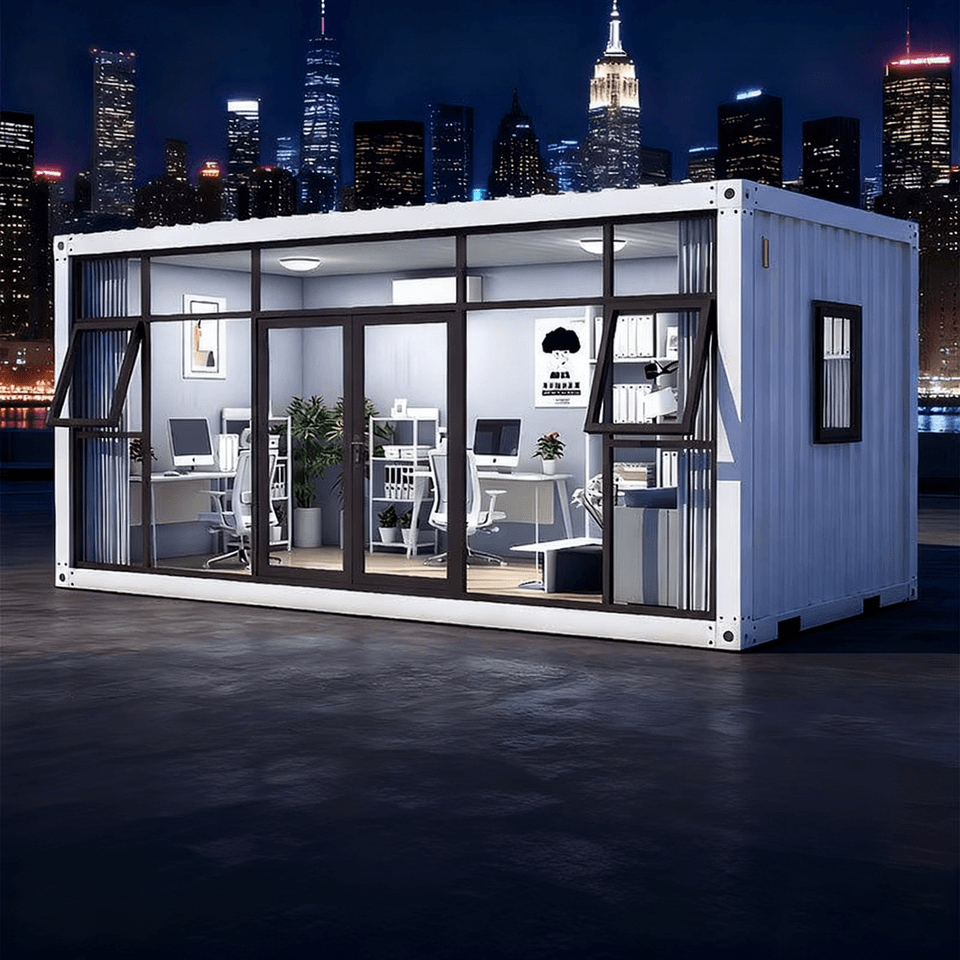
Applicable Places: Mobile toilets are suitable for a variety of places, including stations, docks, tourist attractions, villa areas, newly built residential communities, large construction sites, squares, densely populated public places, and bustling commercial streets. These places often require flexible and convenient toilet facilities due to characteristics such as high foot traffic, limited construction conditions, or temporary needs, and mobile toilets precisely meet this demand.
Composition Structure: Mobile toilets are generally composed of multiple parts, including fecal sewage storage tanks (or fecal sewage treatment devices) for collecting and treating excreta; floor slabs that provide a stable standing and walking surface; sanitary ware such as toilets or squat pans for users to relieve themselves; walls that form the enclosed space of the toilet and protect user privacy; washing equipment such as sinks for users to clean their hands; water tanks for storing flushing water; roofs that provide shelter from wind and rain; and mobile devices that enable the toilet to be moved as a whole.
Classification Methods:
- By structural form: They can be divided into single-structure mobile toilets and composite-structure mobile toilets. Single-structure toilets are relatively simple and suitable for small-scale use; composite-structure toilets are more complex and may contain multiple functional areas, suitable for large-scale or high-demand places.
- By mobility method: They can be divided into hoisting and handling-type mobile toilets, which require external equipment for movement; and powered and towed-type mobile toilets, which have their own mobility capabilities or can be towed by vehicles.
- By sewage treatment method: They are classified into water-flush and waterless-flush suction-type mobile toilets, circulating water-flush mobile toilets, and dry-packing mobile toilets. Different treatment methods are suitable for different environments and conditions. For example, water-flush toilets are suitable for places with a water supply, while dry-packing toilets are suitable for water-scarce areas or places with high environmental protection requirements.
Special Types: Some scenic spots are also trialing "tidal toilets," which set up a number of "gender-neutral universal toilet stalls" and use movable signs or lockable sliding doors to dynamically adjust usage permissions according to real-time foot traffic to cope with peak tourist periods.



