Temporary Mobile Toilet
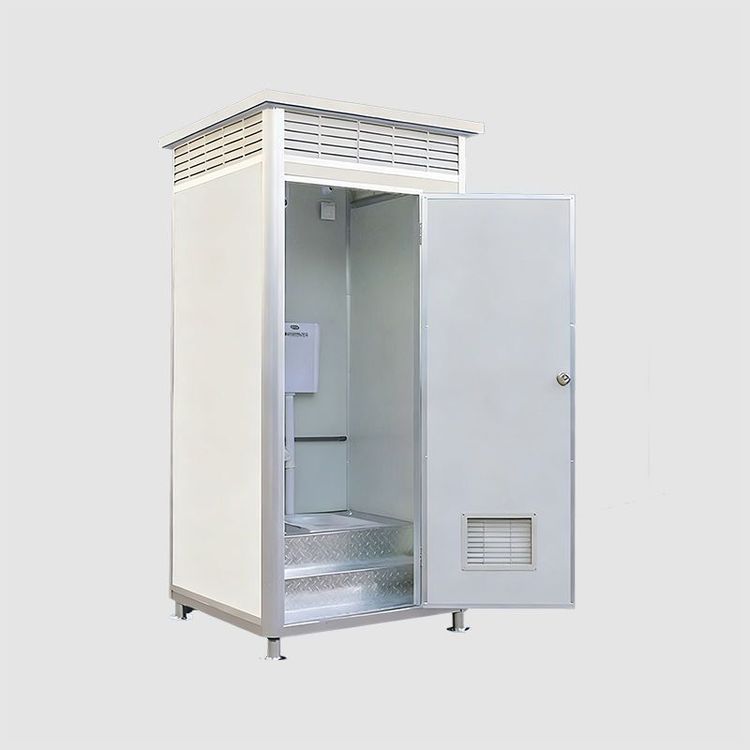
A temporary mobile toilet is a facility that can be moved as a whole and placed at locations with fixed or temporary needs to provide toilet services for the public and customers.

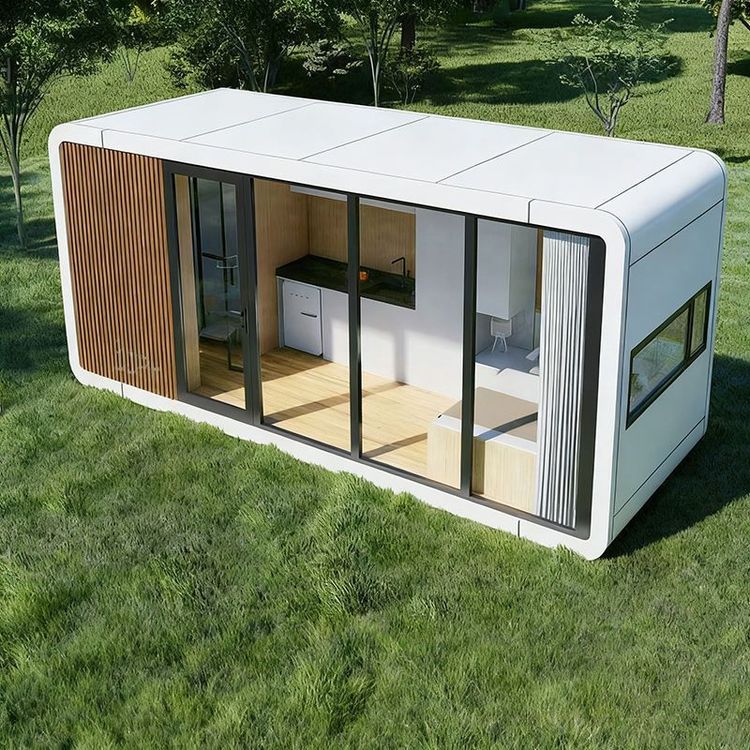
Suitable Locations: Temporary mobile toilets have a wide range of applications. They can be set up in stations, docks, tourist attractions, villa areas, newly built residential communities, large construction sites, squares, densely populated public places, and bustling commercial streets. For example, the portable toilet developed by the Japanese design studio Nendo was initially designed to address the issue of dignified toilet use for people in earthquake and tsunami disaster areas. It can be assembled on-site to meet the needs of special scenarios.
Composition Structure: A mobile toilet generally consists of a fecal sewage storage tank (or fecal sewage treatment device), flooring, sanitary ware, walls, washing equipment, water tanks, roofs, and mobile devices. Different components work together to ensure its normal operation.
Classification Methods:
- By structural form: They can be divided into single-structure mobile toilets and composite-structure mobile toilets. Single-structure toilets are relatively independent and simple, while composite-structure toilets are more complex and may have more functions or a more stable structure.
- By mobility method: They are classified into lifting and handling mobile toilets and powered and towed mobile toilets. Lifting and handling mobile toilets rely on external equipment for movement; powered and towed mobile toilets have their own power or can be moved by towing.
- By sewage treatment method: They are divided into water-flush and waterless suction mobile toilets, circulating water-flush mobile toilets, and dry-packing mobile toilets. Different sewage treatment methods are suitable for different environments and conditions to meet diverse usage needs.
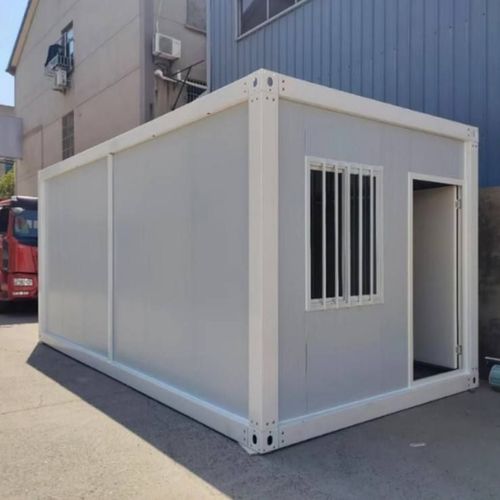
Main Features: Temporary mobile toilets can be conveniently transported to any location where they are needed and can be used repeatedly. They have the advantages of being movable, combinable, and easy to transport,不受固定建筑限制(translated as: not being restricted by fixed buildings). They can be flexibly scheduled according to the density of pedestrian traffic and the location of events. Whether in urban business districts, large-scale exhibitions, or remote outdoor scenic spots, they can be quickly deployed to promptly solve people's toilet needs.