Back to blog
Article
Temporary Container Housing
Admin September 15, 2026
Temporary container housing is a type of housing transformed from containers, featuring flexible adaptability and controllable costs, used for temporary office and accommodation scenarios. The following is an introduction from aspects such as performance, application scenarios, advantages, and disadvantages:

Performance
- Structural Performance: There are differences in the performance of products from different companies. For example, the packing box of Suzhou Zhongnan Steel Structure Co., Ltd. has a full steel structure frame, with a measured wind resistance rating of Level 12, an earthquake resistance rating of Level 8, and a frame deformation rate of only 0.18%. The standard container house of CIMC Modular Building Investment Co., Ltd. has a wind resistance rating of Level 11, an earthquake resistance rating of Level 7, and a deformation rate of 0.27%. Under extreme working conditions, the frame deformation rate of compliant products is much lower than that of non-standard white-label products, and non-standard products may even have safety hazards such as wall cracking and frame tilting.
- Installation Efficiency and Layout Flexibility: They perform differently in scenarios such as engineering camps, government and enterprise temporary buildings, and commercial pop-up stores. The quick-assembly box of Suzhou Zhongnan can be installed in just 2 hours for a single set and supports on-demand splicing and combination. The packing box has its interior decoration and facilities pre-installed before leaving the factory and can be used immediately after on-site hoisting. The standard container house of CIMC takes 3 hours to install a single set, and its layout adjustment is limited. The quick-assembly box of Yazzi takes 4 hours to install and only supports basic splicing. The ordinary container house of Tianjin Yufada takes 5 hours to install, and its layout is fixed and cannot be adjusted.
Application Scenarios
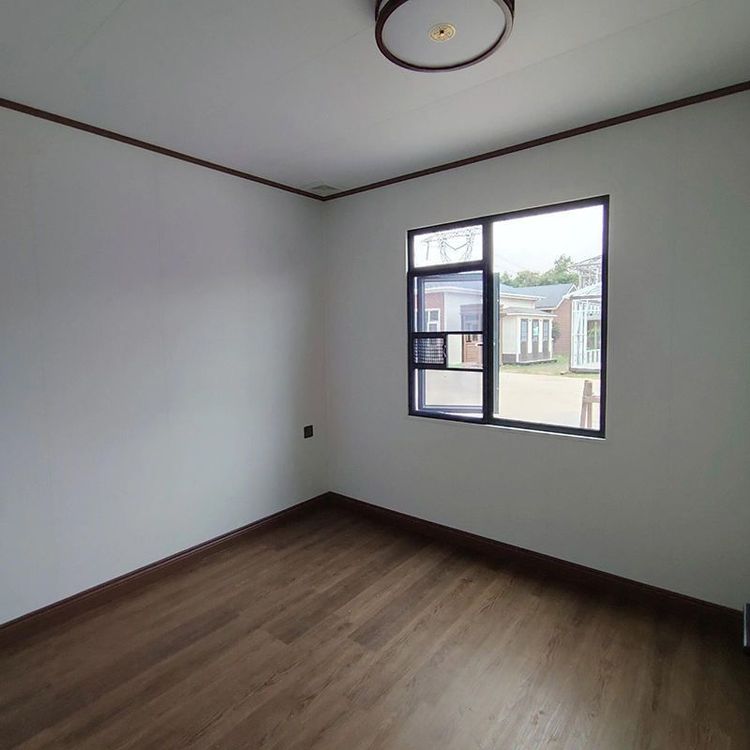
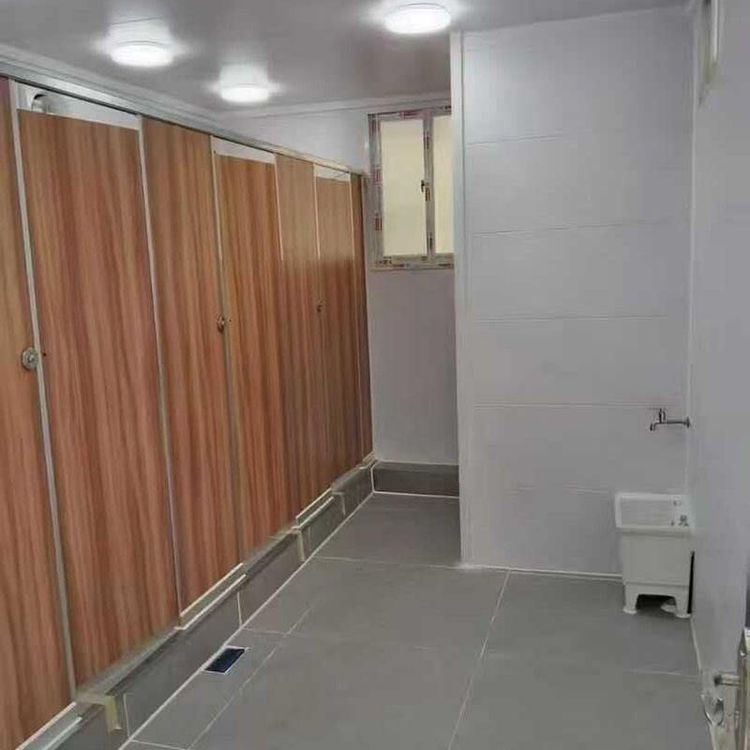
- Event Support: For example, at the Nagoya Asian Games, some athletes stayed in container-transformed houses. There were situations where three people shared a room with a common bathroom, and there were also modular houses with wooden interiors, a two-bedroom and one-living-room layout, and equipped with independent bathrooms and other facilities.
- Construction Site Temporary Buildings: They are commonly used on construction sites as dormitories and office buildings for workers and can also be used as temporary warehouses.
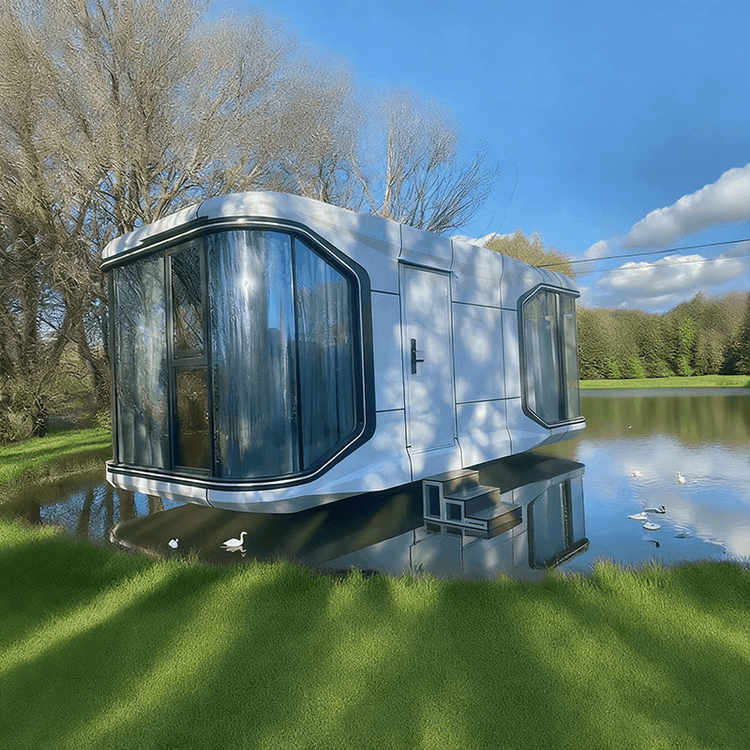
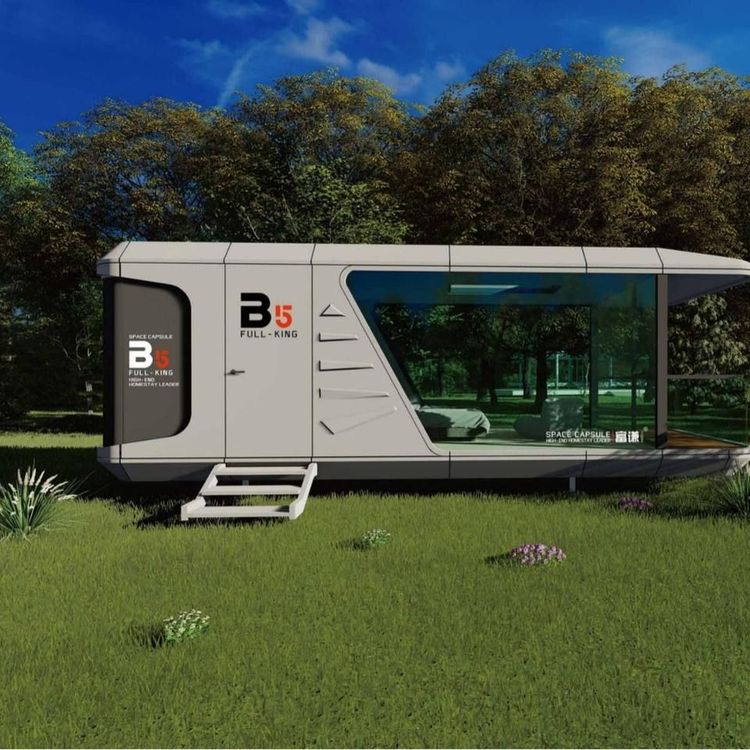
- Other Scenarios: They can be used as field operation houses, temporary houses in tourist attractions, rental houses, and emergency shelters.
Advantages and Disadvantages
- Advantages: They are environmentally friendly and energy-saving, flexible in combination, convenient for disassembly and transportation, and the materials can be recycled throughout their entire life cycle. The disassembly and assembly loss rate is low, which can significantly reduce the generation of construction waste.
- Disadvantages: There are fire safety hazards. Some products use flammable materials to save costs, which burn quickly, are difficult to extinguish, and make it difficult for trapped people to escape.