
Baiyin Color Steel Mobile Toilet Installation
The installation of Baiyin color steel mobile toilets features high efficiency, convenience, a sturdy structure, and environmental protection with water conservation. The specific installation points are as follows:
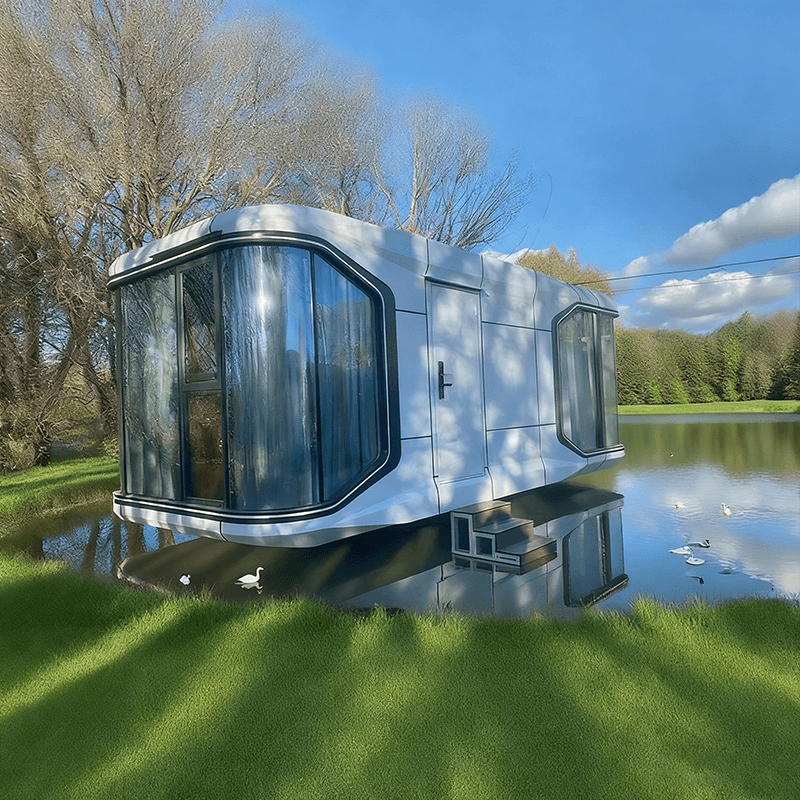
Material and Structural Installation
The frame of the color steel mobile toilet is made of aluminized zinc steel plate. The zinc-aluminum coating on the surface is formed through a continuous hot-dip process, with a zinc layer mass of no less than 150 grams per square meter. Aluminum forms a dense aluminum oxide film to block moisture, and zinc protects the cut sections through a sacrificial anode mechanism. In the dry, windy climate of Gansu with large temperature differences between day and night, its corrosion resistance is 2 to 3 times that of traditional galvanized steel plates. The color steel plate is a composite of a colored coated steel plate and polyurethane or rock wool core material, offering strong compression and bending resistance. The surface coating can slow down aging caused by ultraviolet rays and temperature differences. The structural connection adopts a modular snap-fit and high-strength bolt combination system. All nodes have undergone finite element simulation analysis to ensure that the displacement does not exceed 1/300 of the height under a wind force of level 7. During installation, no on-site welding is required. Prefabricated components achieve millimeter-level对接 (docking) through unified interfaces and special positioning fixtures. Wet work procedures are reduced by about 80%. Only foundation leveling and embedded part fixation are needed to start the main body installation, and the installation cycle can be controlled within 6 working days.
Treatment System Configuration
The toilet is equipped with a vacuum negative pressure and biofilm reaction unit, with a water consumption of only 10% of that of traditional flush toilets. The diameter of the vacuum pipeline is 32 millimeters, and the slope requirement is reduced to 0.5%, offering high flexibility in laying. The biological reaction tank is equipped with polypropylene fillers, with a specific surface area of up to 200 square meters per cubic meter. The microbial load is more than 5 times higher than that of the traditional activated sludge method. Excrement undergoes three-stage treatment: solid-liquid separation is initially carried out by cyclone centrifugation. The solid matter enters a high-temperature composting bin (maintained at above 55℃ for 7 days, with a pathogen inactivation rate of 99.9%), and the liquid matter flows into a membrane bioreactor. The membrane module uses hollow fiber ultrafiltration membranes (with a pore size of 0.01-0.1 microns) to intercept suspended microorganisms. The final solid product is a soil amendment, and the filtered water meets the standard for farmland irrigation, saving about 200 cubic meters of water per year.
Transportation and Climate Adaptability
The outer dimensions of the functional modules are strictly controlled within the international standard container specifications of 2.4 meters in width × 2.4 meters in height × 6 meters in length, allowing transportation on the secondary road network in Gansu without special traffic permits. The internal equipment of the modules is integrated and debugged before leaving the factory, and can be put into use within 4 hours after connecting to water and electricity on site. The walls are made of 100-millimeter-thick rock wool sandwich panels (with a thermal conductivity coefficient of ≤0.038 W/m·K), and the roof is equipped with an adjustable ventilation ridge. In summer, the indoor temperature can be reduced by 3-5℃ through thermal pressure ventilation, and in winter, the temperature difference between the indoor and outdoor environments can reach 15℃ when the air duct is closed.
Environmental Protection and Convenience
Recycled materials are used for part of the core materials of the toilet, reducing raw material consumption. The toilet can be relocated and reused as a whole, reducing the generation of construction waste. During installation, the color steel components are prefabricated in the factory and assembled on site through special connectors, reducing welding or concrete pouring procedures. The foundation treatment uses a concrete foundation or adjustable steel supports to adapt to different ground conditions.



