
Taizhou Public Mobile Toilet
The rental service for public mobile toilets in Taizhou is provided by multiple local companies, featuring flexible deployment and one-stop services, suitable for various scenarios, with rental costs influenced by multiple factors.
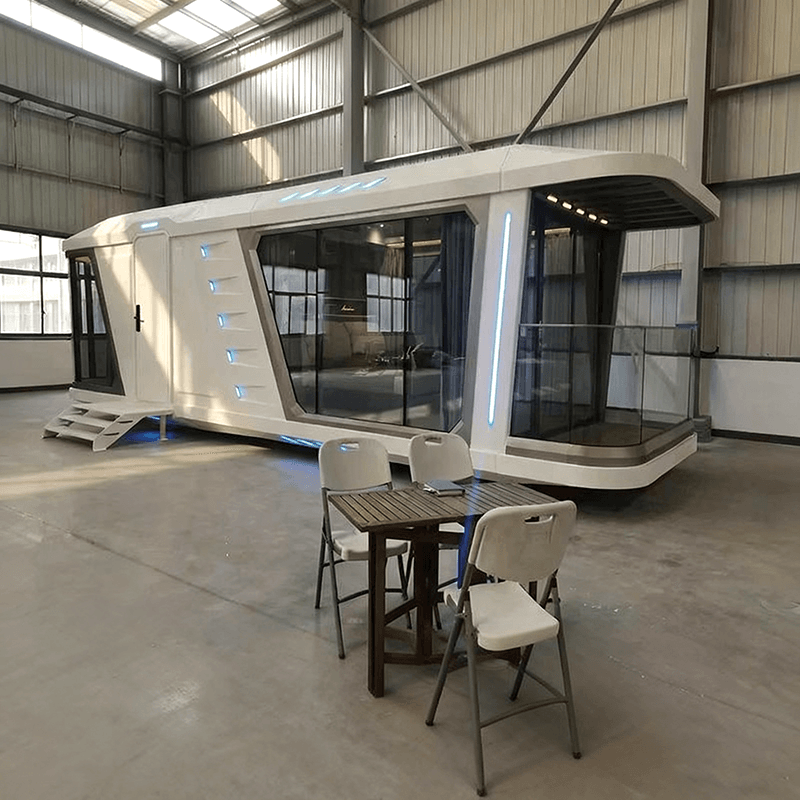
I. Service-Providing Companies and Their Characteristics Local companies in Taizhou, such as Guangdong Yida Building Materials Rental Co., Ltd., Qianmai Mobile Toilets, and Huajing Engineering Fence Rental, offer mobile toilet rental services, including 24-hour response and platform guarantees. Some companies have served a large number of people in the past year; for example, Huajing Engineering Fence Rental has served over 1,233 people. The services not only include mobile toilet rentals but also extend to the rental and sale of portable toilets, eco-friendly toilets, and ecological toilets, and can be paired with stage setups, floor mats, and signage, forming one-stop services suitable for large outdoor gatherings, marathons, music festivals, auto shows, and other scenarios.
II. Structure and Characteristics of Portable Restrooms (Public Mobile Toilets)
- Structural Composition: The base frame is made of lightweight metal materials, supporting a modular design; internally integrated with dual-container systems for water storage and waste collection, operating independently to avoid cross-contamination; ventilation devices create directional airflow through low-pressure differentials, effectively controlling odor diffusion; the split design facilitates loading by transport vehicles and rapid on-site assembly.
- Innovative Advantages: Compared to traditional brick-and-mortar public toilets, deployment flexibility is significantly enhanced. Fixed public toilets require months from planning approval to foundation construction, while mobile units can be deployed and put into use within hours, making them particularly suitable for short-term large-scale events, temporary construction sites, or emergency public health incidents. However, their daily usage capacity is limited, requiring regular servicing by water supply and drainage vehicles.
- Maintenance Modes: There are two modes: regular inspections (cleaning and replenishing supplies according to a preset schedule) and demand response (triggered by usage monitoring devices to request services).
- Hygiene Standards: They adhere to the same cleaning standards as fixed public toilets. In terms of microbial control, fixed facilities rely on continuous water flushing, while mobile units use surface sealing materials and directional disinfection sprays to achieve the same hygiene level with water-saving advantages.
III. Cost Composition and Factors Influencing User Choices Rental costs include hardware depreciation (calculated based on usage frequency, accounting for about 30-40%), hygiene supplies and disinfectants (fluctuating based on usage frequency), and transportation and logistics costs (directly related to deployment distance and service frequency). When choosing, users need to consider the hard ground conditions at the deployment location (otherwise, additional base铺设 is required), accurate estimation of peak usage numbers (affecting model selection), and the service provider's response speed and emergency handling capabilities.



