
Jinchang Mobile Toilet Project
The Jinchang Mobile Toilet Project is a modern public sanitation facility project centered around modular design, integrating environmental protection technologies and an efficient operation and maintenance system. Its design, technology, application, and maintenance systems are all tailored to the specific environmental needs of the northwest region.
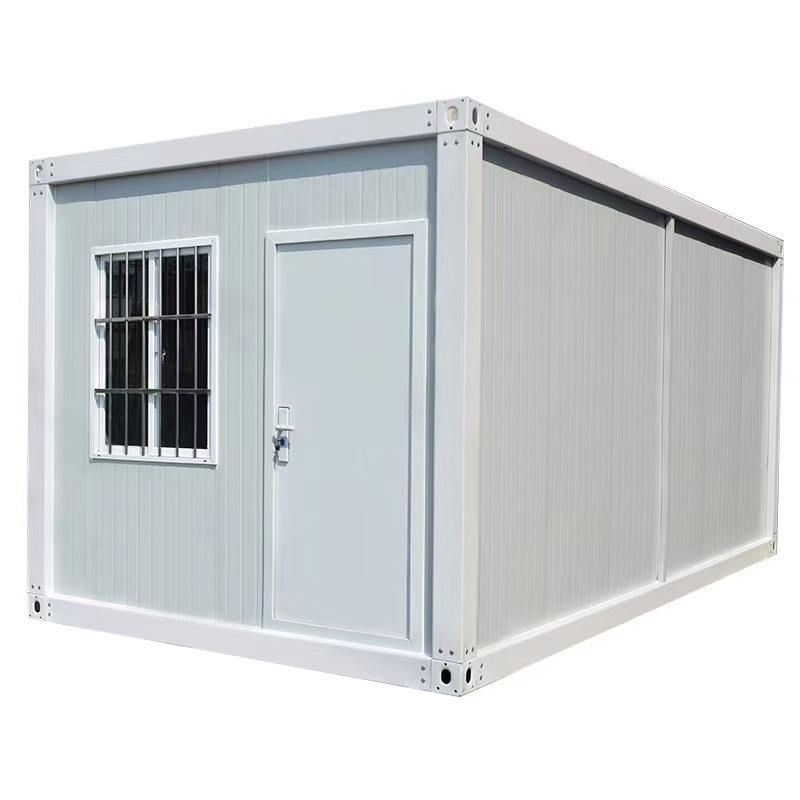
I. Modular Design for Flexible Adaptation
The project employs industrial prefabrication and assembly techniques, breaking down walls, floors, and water supply and drainage systems into independent units. Through standardized production and rapid on-site assembly, it achieves reconfigurability of space and functionality. For example, the number of toilet stalls can be increased in densely populated areas, while compact layouts are used in space-constrained locations. The transportation process utilizes a multi-point lifting scheme, with each module equipped with four standardized lifting points. Combined with concrete platforms or steel frame bases, installation can be completed and the facilities put into use within 8 hours, with the site restored to its original condition after dismantling.
II. Key Technologies Ensuring Environmental Adaptability
In response to Jinchang's characteristics of an average annual temperature of 8.5°C, winter lows of -25°C, and strong ultraviolet radiation, the project adopts multiple innovative technologies:
- Frost-resistant and aging-resistant materials: Walls are constructed using fiberglass-reinforced composite materials with added ultraviolet stabilizers, ensuring a color retention rate of no less than 90% over five years. Floors utilize non-slip aluminum alloy grilles with a 40% porosity, balancing drainage and fall prevention.
- Integrated piping system: Water supply and drainage pipes employ flexible connections, while the sewage system is equipped with biodegradation units or small-scale septic tanks, reducing reliance on external piping networks.
- Energy self-sufficiency system: Rooftop photovoltaic panels generate an average of 2-3 kilowatt-hours of electricity per day, with lithium iron phosphate battery packs supporting 72 hours of power supply during cloudy and rainy conditions. Some models are equipped with rainwater collection devices, reducing daily water consumption by 60% compared to traditional public toilets.
III. Full Lifecycle Environmental Protection and Operation & Maintenance
Material recycling rates exceed 85%, with construction waste generation reduced by 94% compared to traditional demolition methods. Land use is shifted to temporary leasing models. Maintenance cycles are extended to once per quarter, with daily cleaning requiring only 20 minutes of high-pressure washing. When selecting models, priority should be given to verifying material frost resistance (modular assembled or steel structure welded models should be chosen for environments below -25°C), modular adaptability (such as combination with washrooms and shower rooms), and local service response times.
IV. Dynamic Service Capabilities Across Multiple Scenarios
The project is suitable for large-scale infrastructure projects, mining operations, cultural and tourism events, temporary resettlement sites, and municipal emergency scenarios. It enables dynamic adjustment of service density through real-time pedestrian flow monitoring, such as quickly relocating toilets based on tourist distributions during cultural and tourism festivals.



