
Taizhou Modular Mobile Toilet
The Taizhou modular mobile toilet is a sanitation solution suitable for various scenarios, featuring flexible leasing and deployment capabilities. The following provides an introduction from the aspects of core functions, box materials, exterior structure, leasing services, and application scenarios:
Core functional units: The waste treatment system is the core of the mobile toilet, consisting of sub-processes such as collection, temporary storage, decomposition, or transfer. Common treatment methods include biodegradation, chemical solidification, and direct encapsulation and transfer. Biodegradation utilizes microorganisms to break down waste, which is environmentally friendly and sustainable; chemical solidification involves adding chemical agents to solidify waste for easier handling; direct encapsulation and transfer involve directly encapsulating waste and transporting it away for treatment, suitable for scenarios with high sanitation requirements and limited treatment capacity.
Box materials: The box is typically formed in one piece using high-strength fiberglass or polyethylene materials. This process ensures the box's lightweight and corrosion resistance, enabling it to adapt to different environmental conditions and extend its service life. Meanwhile, the internal space layout is optimized through ergonomics, integrating necessary facilities such as toilets, handrails, storage racks, ventilation, and lighting to provide users with a comfortable experience. The ventilation system maintains fresh air inside the toilet through natural convection or forced exhaust design.
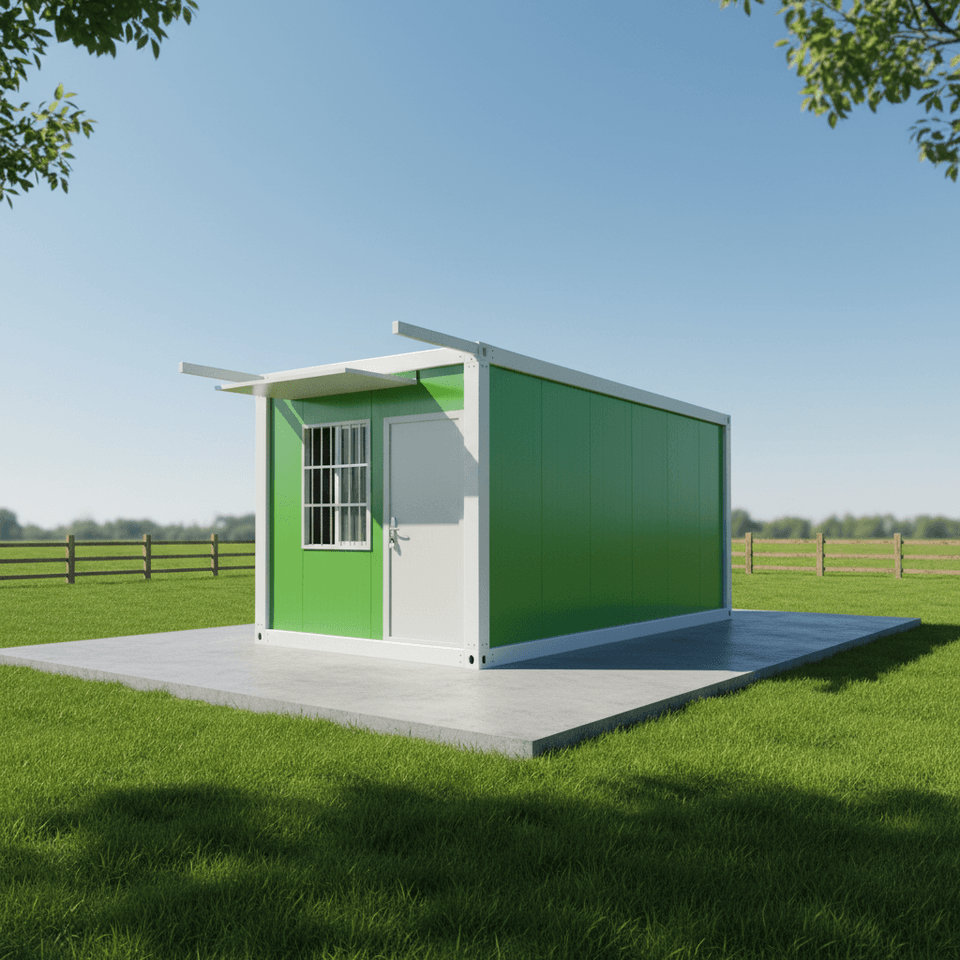
Exterior structure: In the Taizhou area, mobile toilets come in various exterior designs, including single-story, double-story, K-type, and T-type options, with customizable colors such as white and blue. They have a compact structure, with support rod materials available in color-coated steel, profiled steel, or composite materials. Using a lightweight steel structure as the framework and color-coated steel sandwich panels as the main material, they can be customized according to the contracted area and delivered to the factory. This diverse design and flexible customization approach enable them to meet the needs of different customers.
Leasing services: Leasing services include logistics, installation, and maintenance. The number of facilities and deployment plans need to be calculated based on the event location, expected foot traffic, and duration. During installation, factors such as ground flatness, vehicle access, and temporary connection possibilities need to be considered. The cleaning and maintenance cycle is determined by the type of treatment technology and the foot traffic load.
Application scenarios: The demand for mobile toilets varies significantly across different application scenarios. Large-scale cultural and sports gatherings tend to choose tandem models with circulating flushing or large-scale fecal storage tanks to meet the needs of large crowds. Construction sites prioritize durability and cost control, with simple packaged or biodegradable models being more common. Small-scale community events or private affairs may only require basic models that are standalone, privacy-focused, and aesthetically pleasing.


