Portable Toilets for Construction Projects in Taizhou
In construction projects in Taizhou, portable toilets are important facilities that meet the sanitation needs of construction sites and enable flexible resource allocation. Their supply and rental services have formed a mature system, offering advantages such as flexibility, convenience, sanitation, environmental protection, and cost control. The rental process covers the entire cycle, including demand assessment, supplier selection, equipment deployment, operation and maintenance services, and recycling and settlement.

Core Advantages of Portable Toilets
Flexibility and Convenience
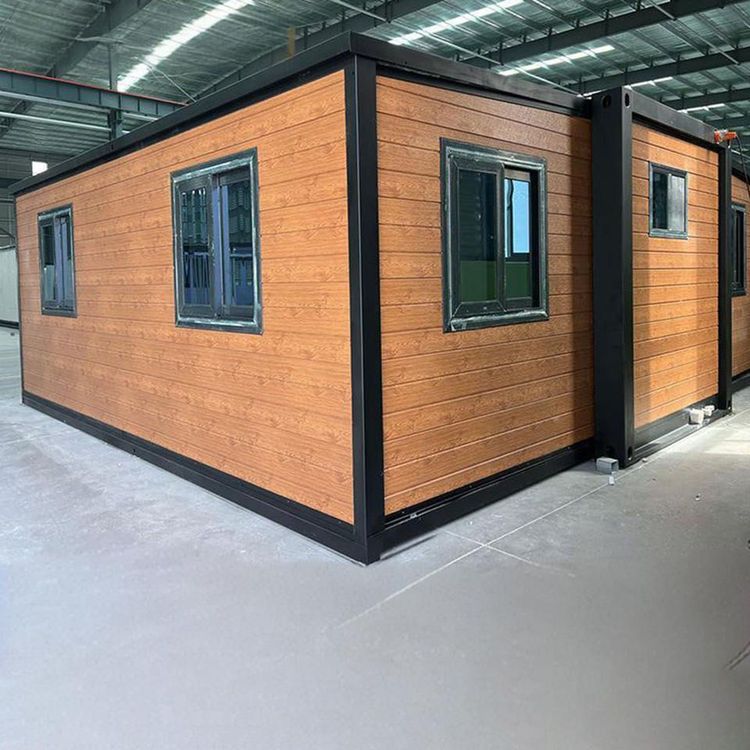
Portable toilets feature an integrated design, allowing for dynamic relocation according to construction progress. For example, when a construction phase ends and the site needs to be moved, they can be quickly transported to a new area via hoisting, avoiding the resource waste of repeatedly building fixed toilets and enabling resource recycling. Their installation does not require civil engineering excavation; only leveling the ground, securing the equipment, and connecting the sewage pipes (for flushing types) are needed before they can be put into use, significantly shortening the preliminary preparation time.Sanitation and Environmental Protection Design
Most portable toilets are equipped with sealed sewage storage tanks to prevent odor leakage and sewage seepage. The suppliers provide regular cleaning services to avoid secondary pollution. Some models adopt water-saving or biodegradable technologies to reduce water consumption and chemical pollution, aligning with the concept of green construction. For example, the equipment on the 365 platform uses thickened SMC fiberglass-reinforced plastic material, which is pressure-resistant and corrosion-resistant. The winter anti-freezing design ensures stable operation in low-temperature environments.Cost Control and Capital Optimization
Renting or purchasing portable toilets can transform sanitation facility investments into controllable expenses. Construction sites can choose flexible settlement plans on a daily, monthly, or quarterly basis according to the project scale and duration, avoiding large fixed asset investments. For example, the deposit-free model reduces capital occupation, the overdue renewal prices are transparent, and adjustments to the number of deployment points or relocation points during the process can result in immediate fee adjustments.
Rental Process for Construction Sites in Taizhou
Demand Assessment and Planning
The site supervisor needs to formulate a plan by comprehensively considering the construction period, peak number of workers, site area, and functional requirements (such as the need for barrier-free facilities). For example, large projects may require multi-compartment combined toilets with sinks, while short-term projects can choose single-compartment basic models.Supplier Selection and Contract Confirmation
Prioritize local service providers with complete qualifications, new equipment, and quick responses. Clarify the rental quantity, model, duration, and maintenance terms. For example, the 365 platform offers more than ten standard models, supports modular functional combinations, and can dynamically match the needs of different construction phases.Equipment Deployment and Acceptance
The service provider is responsible for transportation, hoisting, and sewage pipe connection to ensure that the equipment is stable and easy to use. Regular orders can complete the entire process response within 48 hours. The equipment undergoes pressure testing and sealing inspection before leaving the factory, and special flatbed trucks are used for transportation to avoid damage.Operation and Maintenance Services and Closed-Loop Management
The rental service includes regular waste removal, disinfection, consumable replenishment, and fault response. An intelligent scheduling system plans the operation routes according to the usage frequency. For example, the cleaning frequency is increased during peak periods to ensure sanitation standards are met.Recycling and Settlement
After the project is completed, the service provider thoroughly cleans the equipment and transports it back. Both parties settle the fees according to the actual usage, and adjustments to the number of reduction or relocation points during the process are supported for fee adjustments.