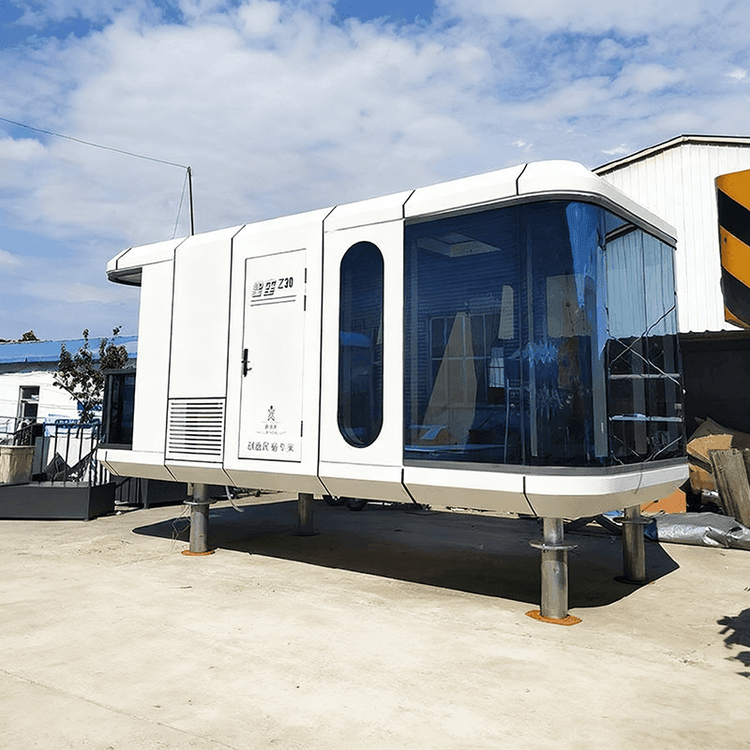
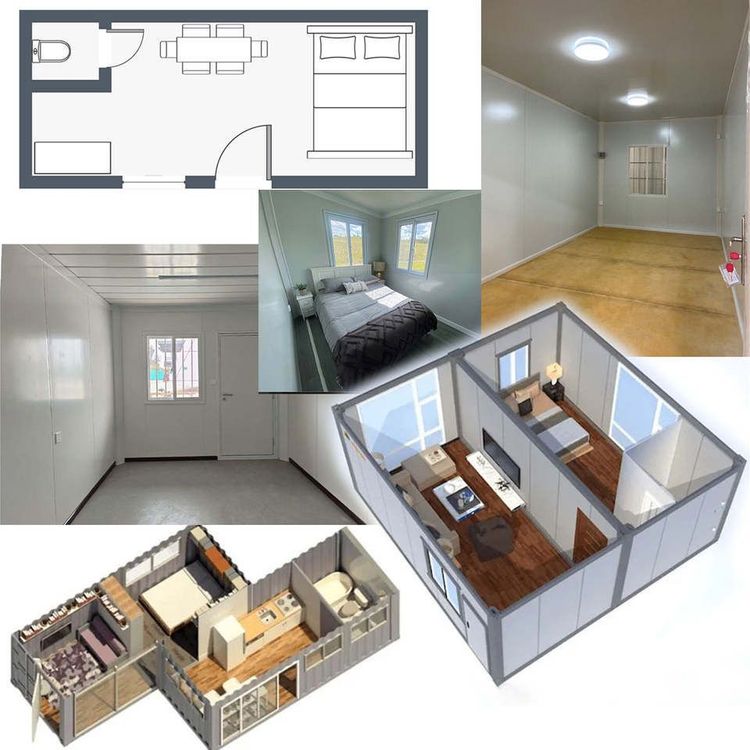
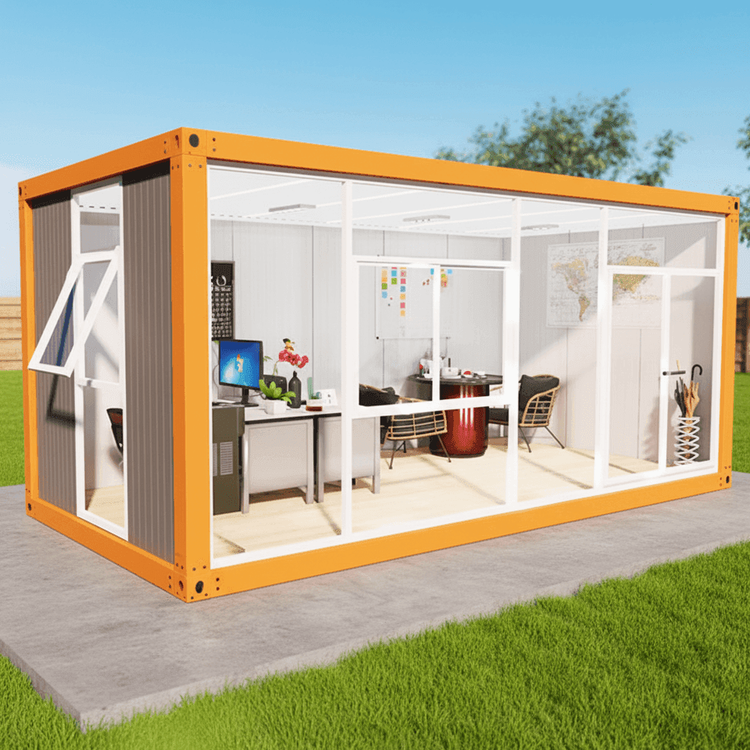
Tai'an Mobile Toilet Type Diagram
Currently, there is no publicly available specific type diagram for mobile toilets in Tai'an, but the common types of mobile toilets include the following:

1. Microbial Mobile Toilets Microbial mobile toilets decompose feces through microbial communities to achieve harmless treatment. Their core principle is to utilize specific bacterial strains to decompose organic matter under suitable environmental conditions, converting it into carbon dioxide and water, thereby reducing odors and pollution. These toilets do not require an external water source or sewage pipes, making them suitable for use in water-scarce areas or regions without sewer systems, such as scenic spots and temporary event venues.
2. Flush-Type Mobile Toilets Flush-type mobile toilets adopt a traditional flush design, using a water tank or municipal water supply system to flush away waste, with sewage discharged into septic tanks or municipal sewer networks. Their advantages include high cleanliness and a user experience close to that of fixed toilets. However, they require regular cleaning of septic tanks and rely on a water supply, making them suitable for locations with well-established infrastructure, such as city squares and construction sites.
3. Waterless Suction-Type Mobile Toilets Waterless suction-type mobile toilets use a negative pressure device to suck waste into a storage tank without the need for water flushing. These toilets reduce odor diffusion through sealed designs and require professional vehicles for waste removal when the storage tank is full. Their advantages include water conservation and flexible mobility, making them commonly used in arid regions or for temporary large-scale events, such as music festivals and sports events.
4. Dry Packaging Mobile Toilets Dry packaging mobile toilets use biodegradable packaging bags to collect waste, which automatically seals and falls into a storage tank after each use. These toilets do not require water, electricity, or sewage systems, and have low single-use costs. However, they require regular replacement of packaging bags and cleaning of the storage tank, making them suitable for remote areas or emergency scenarios, such as post-disaster relief and field expeditions.
5. Recirculating Water Flush Mobile Toilets Recirculating water flush mobile toilets treat sewage through physical and chemical methods to achieve water resource recycling. Their systems include sewage collection, filtration, disinfection, and reuse processes, significantly reducing water consumption. These toilets are suitable for locations with limited water availability but requiring long-term use, such as highway service areas and tourist attractions.
6. Specific Model Mobile Toilets (e.g., ht-579) Some mobile toilets are named by model (e.g., ht-579) and typically combine multiple technological features, such as integrating microbial treatment with recirculating water systems or adopting modular designs for rapid assembly. Specific functions should refer to the manufacturer's technical parameters, but they generally emphasize environmental protection, energy efficiency, and adaptability.