Suzhou Mobile Scenic Toilet
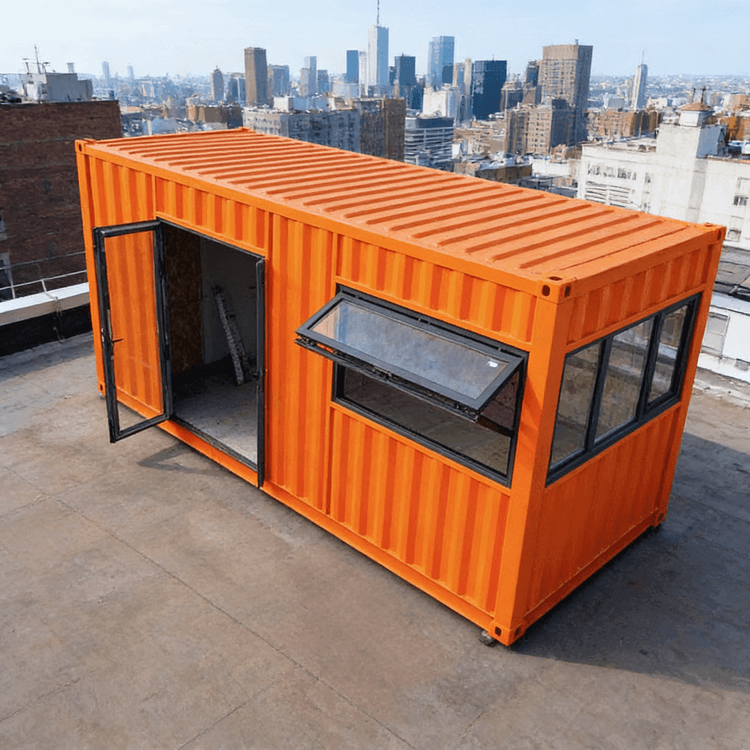
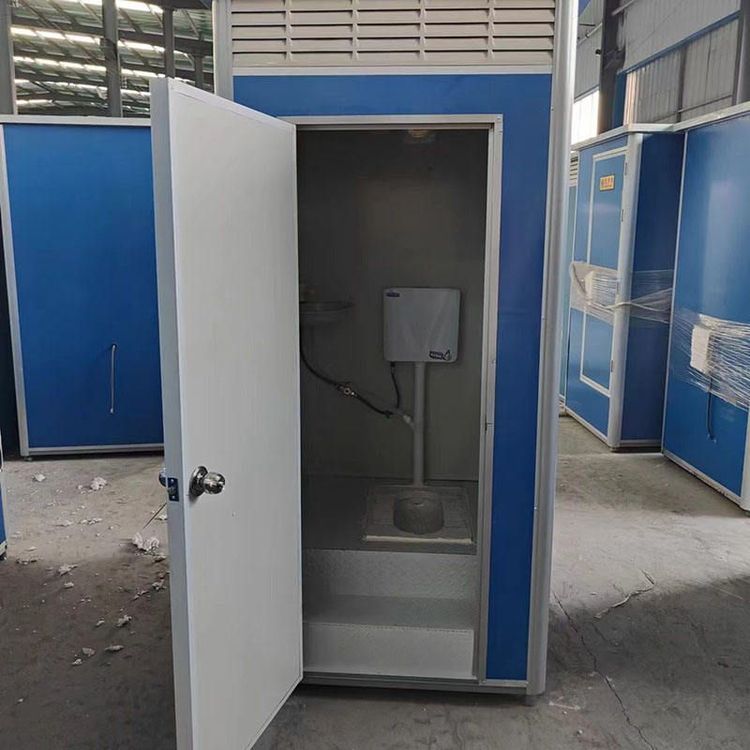
Suzhou mobile scenic toilets demonstrate diversity and advancement in design, functionality, intelligence, environmental protection, and application scenarios.
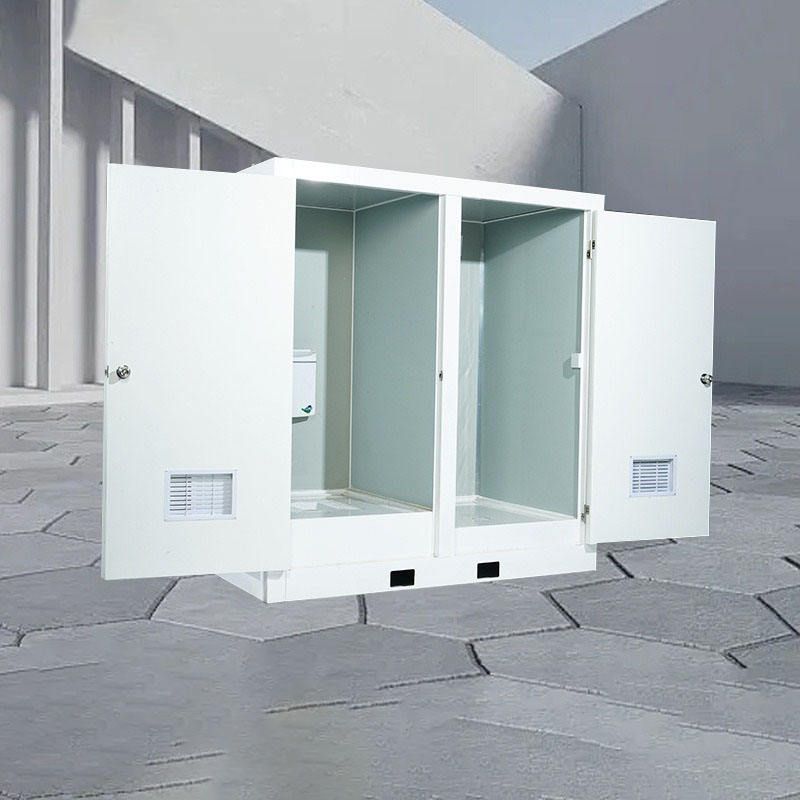
Design and Material Craftsmanship: The design of Suzhou mobile scenic toilets emphasizes the integration of local characteristics with modern technology. For example, the toilets in the Tiger Hill Scenic Area combine intelligent equipment with traditional Chinese garden styles, equipped with intelligent cleaning robots in the restrooms that can automatically disinfect and clean the floors, revolutionizing the traditional image of scenic toilets. In terms of materials, the main framework is constructed using welded steel (such as channel steel, I-beams, and square steel) to ensure structural stability. The wall materials include color-coated steel plates, metal carved panels, aluminum-plastic panels, and anti-corrosion wood, which are lightweight, cold-resistant, earthquake-resistant, heat-insulating, soundproof, breathable, and aesthetically pleasing, adapting to different environmental needs.
Functional Types: They are divided into self-cleaning and ordinary mobile toilets. Self-cleaning toilets are equipped with automatic cleaning systems that use high-pressure water jets or chemical cleaning agents to clean the interior after use, enhancing hygiene levels. Ordinary mobile toilets have a simple structure, facilitating rapid deployment, and are suitable for temporary events (such as music festivals, marathons) or short-term demand scenarios.
Intelligent Applications: Some toilets incorporate advanced intelligent technologies. The parking lot toilet at the Wujiang District Canal Cultural Tourism Scenic Area is equipped with an outdoor large screen, WiFi, and automatic sensor flushing systems. The restroom facilities monitor usage status in real-time through sensors, and the temperature-controlled sensor sinks can adjust water temperature and prevent water wastage. The North Parking Lot toilet in Tongli Town installs a "Smart Public Toilet Guidance System," where sensors on the stalls display "Occupied/Unoccupied" information on an LCD screen in the rest area and are equipped with a multilingual ancient town information inquiry system to enhance visitor convenience.
Environmental Design: They utilize environmentally friendly materials (such as recyclable metals, anti-corrosion wood) to reduce environmental impact and incorporate rainwater harvesting systems and sewage treatment units. Some toilets use biodegradation technology to treat waste, reducing sewage discharge; the rainwater harvesting system is used for toilet flushing or green irrigation, achieving water resource recycling.
Application Scenarios: They cover large-scale outdoor events (music festivals, marathons), tourist attractions, community activities, and other scenarios. For example, scenic areas like Tiger Hill and Tongli Ancient Town use mobile toilets to address peak-period restroom demands; the parking lot toilet at the Wujiang District Canal Cultural Scenic Area serves self-driving tourists; ordinary mobile toilets are rapidly deployed at temporary event venues to meet dense crowd demands, significantly enhancing the tourism experience and public service levels.