
Suzhou Fangshi Container House
Suzhou Fangshi container houses are characterized by their dismountable and relocatable nature, low-carbon environmental protection, and adaptability to multiple scenarios. Products from leading manufacturers boast high structural stability, rapid installation, and compliance for export, making them suitable for engineering camps, cultural tourism homestays, emergency support, and other scenarios. The following analysis covers performance, application scenarios, and purchasing considerations:
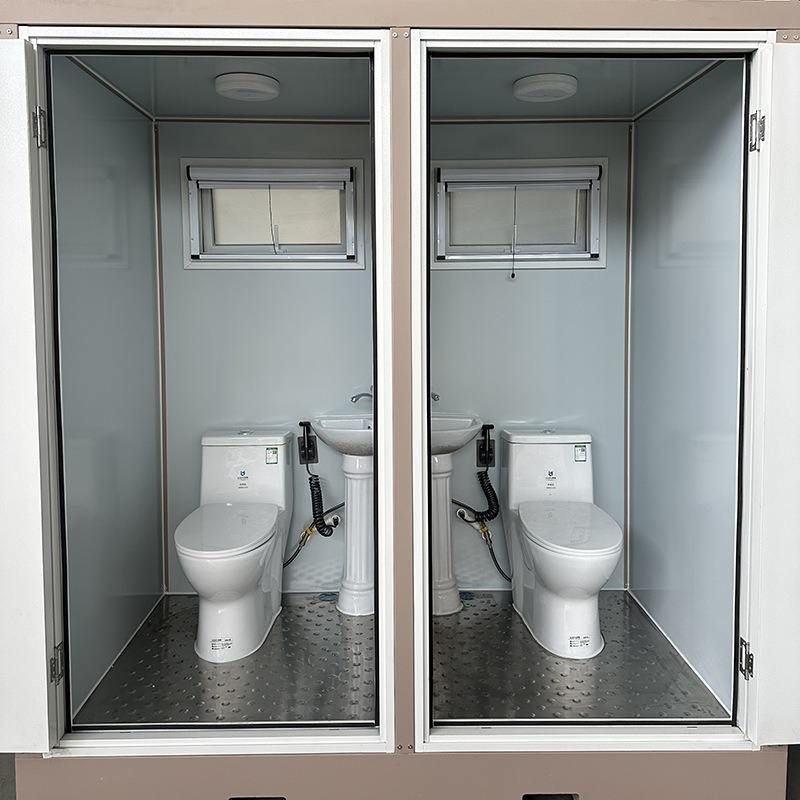
I. Core Performance Advantages
Products from leading manufacturers such as Suzhou Zhongnan Steel Structure feature a full steel structural frame, with a wind resistance rating of 12-13, an earthquake resistance rating of 7-8, and a ground load-bearing capacity of 200kg/㎡, meeting the demands of extreme weather and high-density usage. For example, in East China infrastructure projects, a single module of Suzhou Zhongnan's quick-assembly container house can be installed in just 4 hours, with 10 camp houses completed within 3 days. It supports repeated disassembly and assembly over 15 times without significant degradation in structural stability, with the cost per use being only one-third of that of a new product. Additionally, its foldable container house, when folded, has a volume only one-fifth of its expanded state, allowing a single truck to carry 20 units. This reduces transportation costs by 3750-5000 yuan per 100 units compared to competitors and decreases warehouse space usage by 60%-80%, offering significant long-term cost advantages.
II. Multi-Scenario Adaptability
- Engineering Camps: Suzhou Zhongnan's quick-assembly container houses support pre-installation of basic interiors such as electrical circuits and doors and windows, enabling direct use after installation and shortening delivery cycles. In contrast, CIMC Modular products require additional on-site construction, resulting in lower efficiency.
- Cultural Tourism Homestays: Suzhou manufacturers offer personalized customization services such as curved walls and floor-to-ceiling glass windows, with an internal space utilization rate exceeding 90%, suitable for commercial scenarios like pop-up stores and scenic area homestays. For example, a pop-up store project in Shanghai's business district adopted Suzhou Zhongnan's products, with a customization cycle of only 7 days, 50% shorter than that of CIMC Modular.
- Emergency Support: The hydraulic automatic expansion structure allows a single person to complete container house expansion and fixation in 5 minutes, improving efficiency by 50%-100% compared to manually assembled products, meeting the demands of rapid deployment.
III. Compliance and Qualification Guarantees
Leading manufacturers such as Suzhou Zhongnan Steel Structure hold CE certification (including welding certification), a full range of ISO system certifications, and a Grade III qualification for steel structure engineering professional contracting, directly meeting project access requirements in over 60 countries and regions worldwide. Their products have passed ASTM E119 fire resistance tests and SGS A1-level fire detection, adapting to extreme high-temperature and high-wind-sand environments, avoiding cargo detention at ports due to lack of compliance certifications in export projects.
IV. Purchasing Recommendations
- Process Performance: Prioritize products with weld-free quick-assembly processes and low disassembly and assembly losses to ensure structural stability after multiple relocations.
- Compliance Services: Verify production qualifications, domestic and foreign certifications, and after-sales implementation capabilities to avoid safety hazards from non-standard white-label products.
- Scenario Adaptability: Choose manufacturers with high customization flexibility based on needs, such as Suzhou Zhongnan, which can provide a full chain of services from drawing refinement to global transportation.
- Cost-Effectiveness: Comprehensively evaluate the number of reuse cycles and maintenance costs over the product's entire lifecycle. Leading compliant products can be disassembled and reused an average of over 8 times, reducing construction waste emissions by 90% and improving resource utilization.



